Dunton Logistics
Dunton Logistics
Dunton Logistics
Engineered for High-Capacity Load Distribution and Industrial Operational Safety
Technological Convergence, Automated Intralogistics, and Sustainability in Global Distribution Channels
Modern heavy-duty transport trolleys and platform lifts are transitioning from purely mechanical devices to smart, sensor-driven assets. The integration of Automated Guided Vehicle (AGV) interfaces, onboard telematics, and collision-avoidance systems is changing warehouse intralogistics. Heavy-duty scissor tables and transfer carts now connect directly to Warehouse Execution Systems (WES) to optimize throughput.
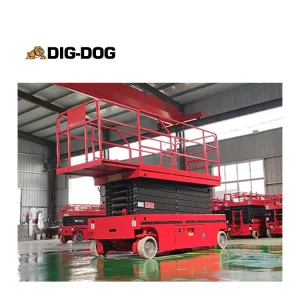
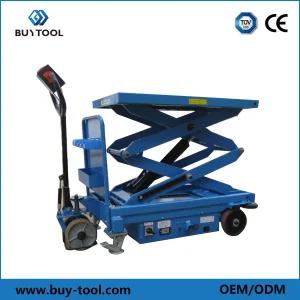
Occupational safety regulations globally (such as OSHA and EU directives) are pushing enterprises to implement lift assist technologies. Standardized manual handling is being phased out in favor of electric-assist heavy-duty platforms, custom hydraulic docking platforms, and self-propelled scissor lifts that minimize ergonomic risk factors while handling loads over 1000kg.
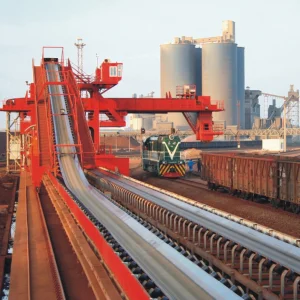
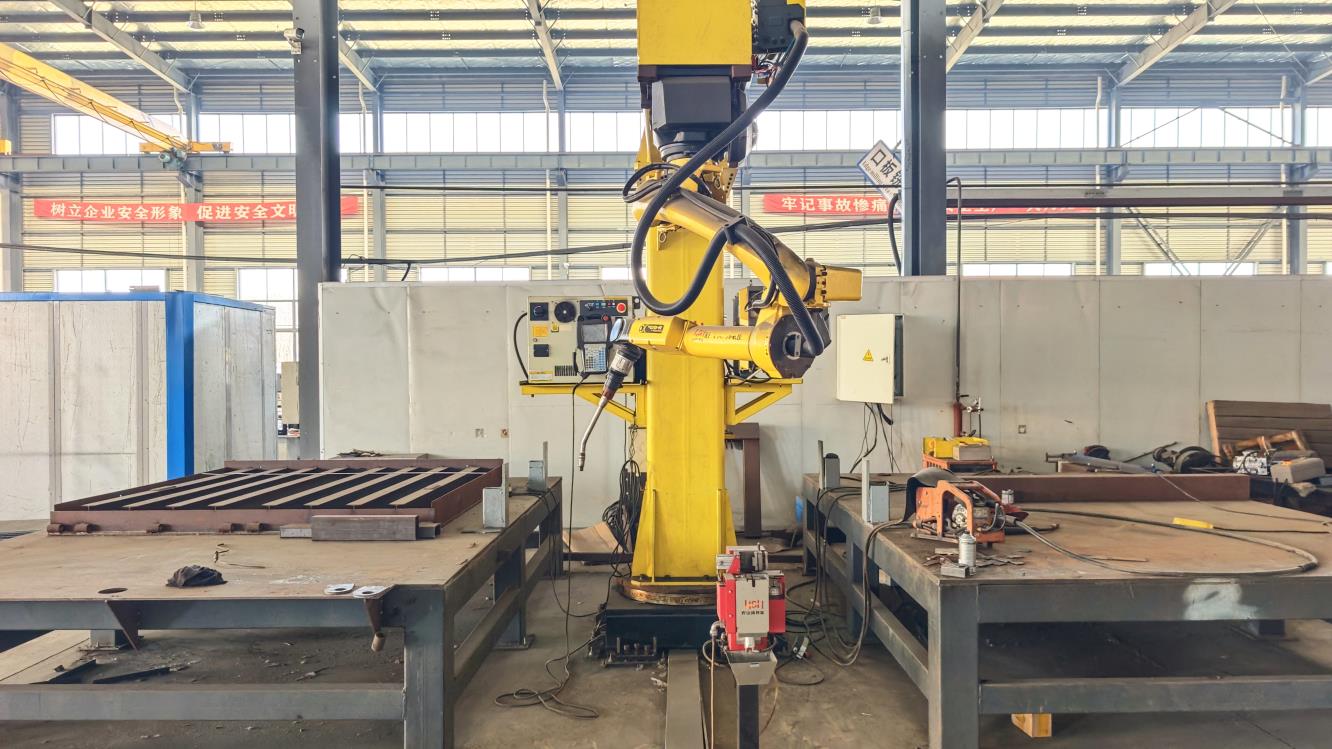
Using high-strength, low-alloy (HSLA) structural steels ensures that heavy-duty trolley components offer optimal strength-to-weight ratios. Manufacturers are utilizing laser-guided robotic welding processes (e.g., Fanuc robotics) to maintain precision structural joints capable of resisting deformation during cyclic high-impact loading in ports, mining operations, and automotive assembly bays.
Crucial Metrics and Risk-Mitigation Protocols for Strategic Supply Chain Management
Enterprise procurement teams in North America, Europe, and Asia-Pacific demand verified technical credentials when choosing manufacturers. The transition from general-purpose logistics tools to specialized, application-engineered heavy-duty trolleys requires a strict vetting process focusing on structural integrity, safety factor indicators, and long-term operating life (TCO).
Engineers assess dynamic load limits and static safety factors. A standard rating of 1.5x to 2x safety margins under ISO 12100 is critical. Procurement managers must demand certified mill test records for structural steel and independent testing protocols for hydraulic lift cylinders.
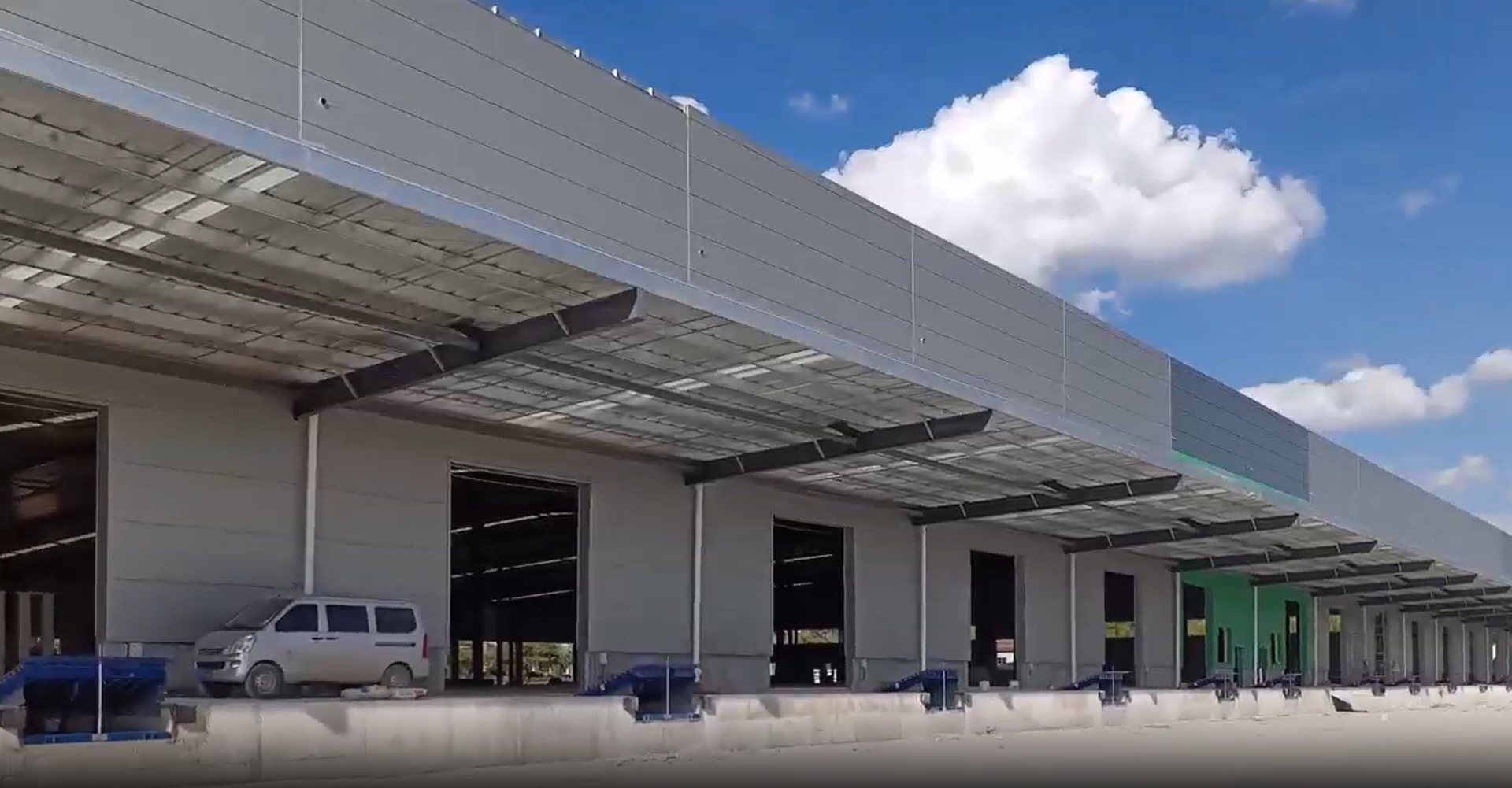
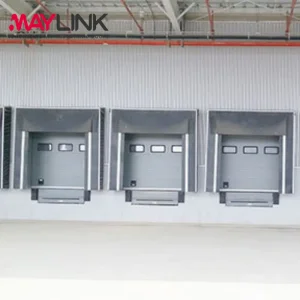
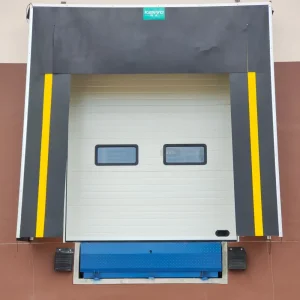
Trolleys and loading dock systems (including dock shelters, yard ramps, and vehicle restraints) must integrate cleanly with the site's structural framework. Specifying physical clearances, electrical supply profiles (e.g., 220V/380V/480V), and communication links (Profibus, CAN Bus) avoids integration problems.
Logistics routes extending through extreme thermal zones (e.g., cold chain warehouse translation doors or high-temperature metallurgy mills) require bespoke engineering. Corrosion resistance (C3 to C5 industrial paint finishes or hot-dip galvanizing) guarantees a long service life.
| Evaluation Parameter | Technical Baseline Requirement | Compliance Checkpoints | Associated Risk Mitigation |
|---|---|---|---|
| Structural Steel Grade | Q355B / Q345B High-Yield Strength Steel | ASTM A572 / EN 10025-2 Certification | Eliminates structural fatigue and buckling under rated loads. |
| Hydraulic Circuit Reliability | Explosion-proof safety valves; chrome-plated piston rods | CE Machinery Directive 2006/42/EC conforming | Prevents sudden platform drops in case of pressure drop. |
| Loading Bay Security | Automatic vehicle restraint systems (15-20 ton capacity) | ANSI MH30.3 compliance validation | Stops premature truck departure and trailer tipping during unloading. |
| Factory Quality System | Robotic welding lines & computerized load-testing bays | ISO 9001:2015, ISO/TS16949 production audits | Reduces defect rates and ensures high dimensional repeatability. |
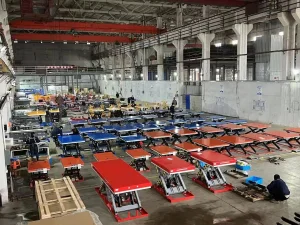
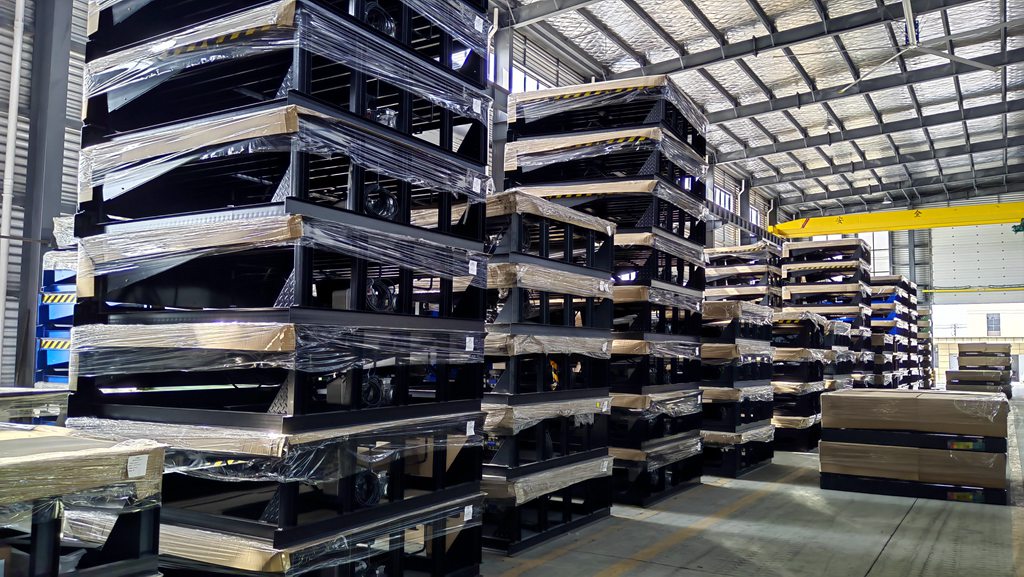
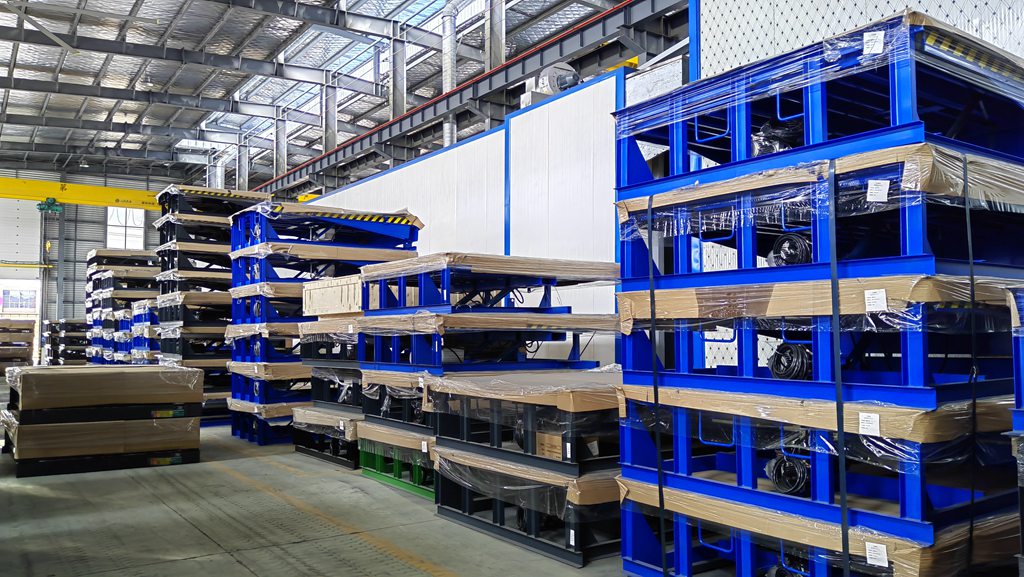
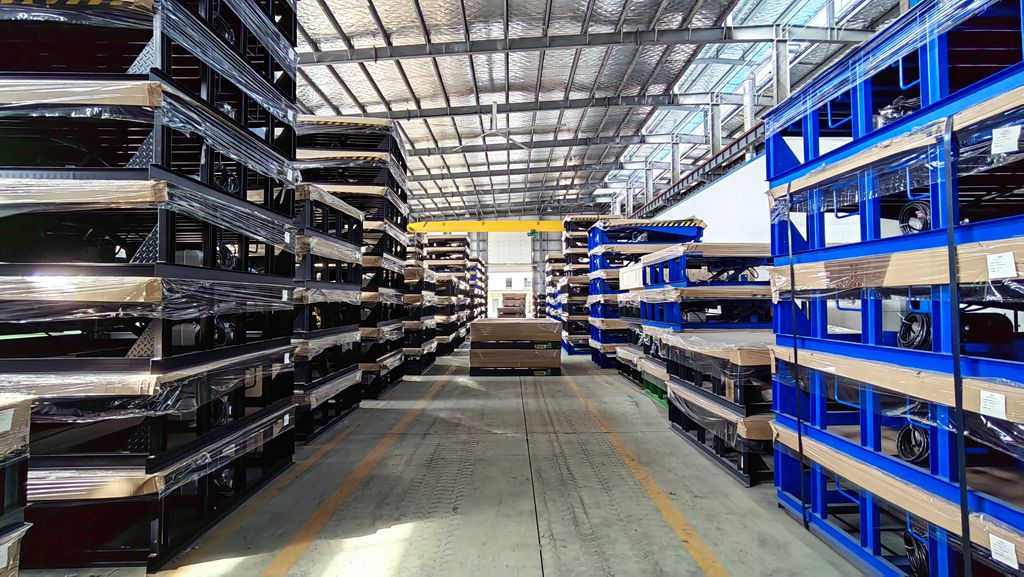
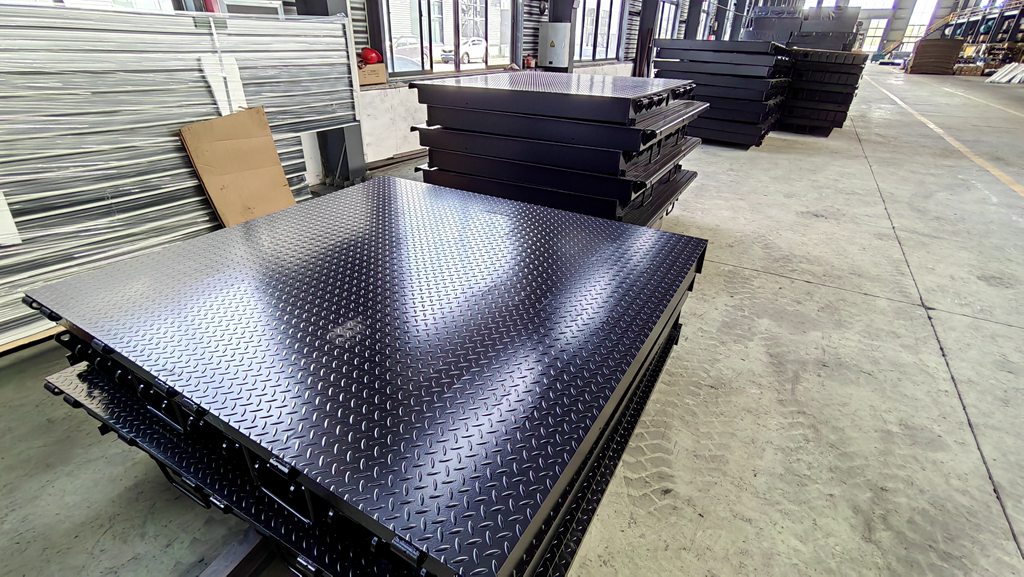
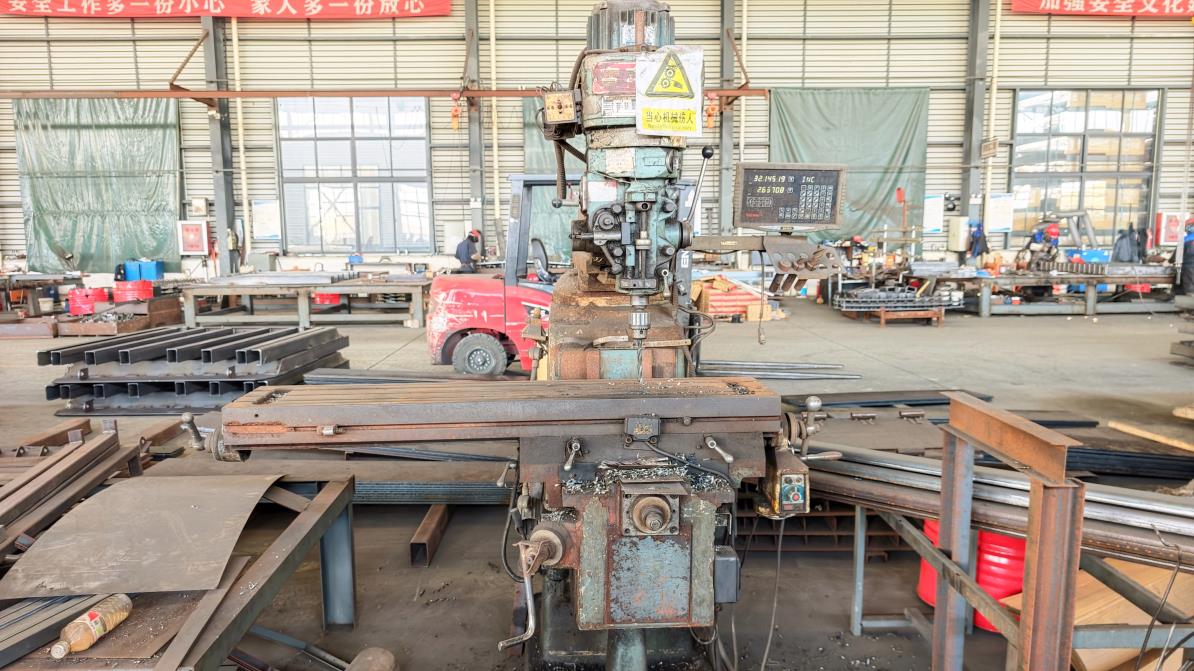
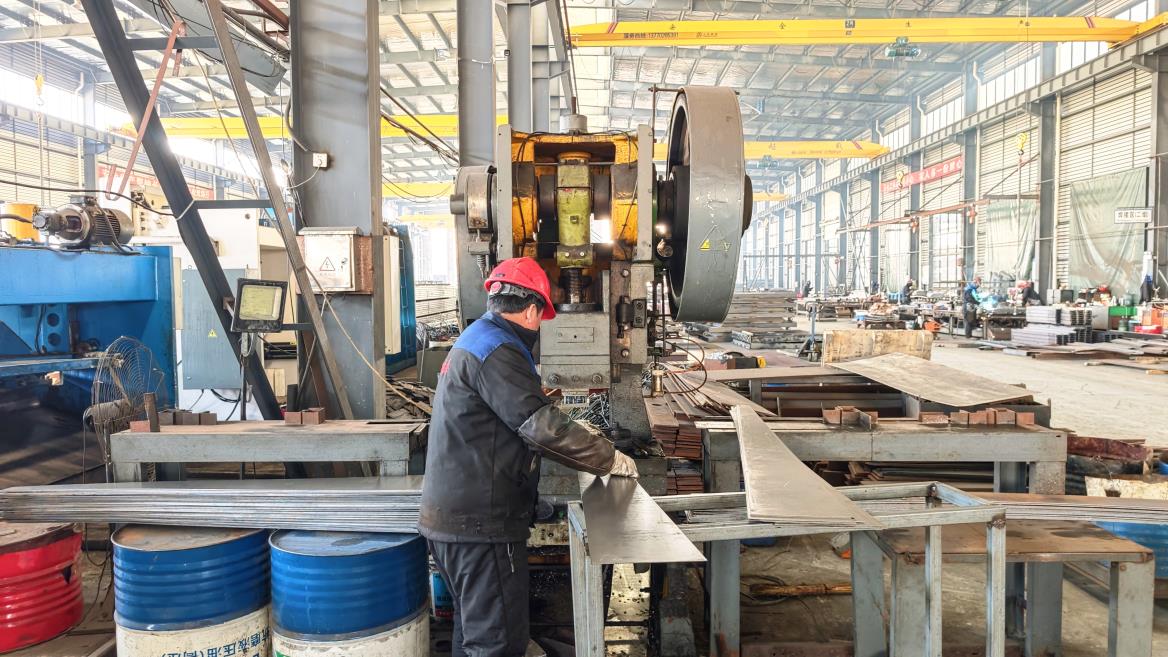
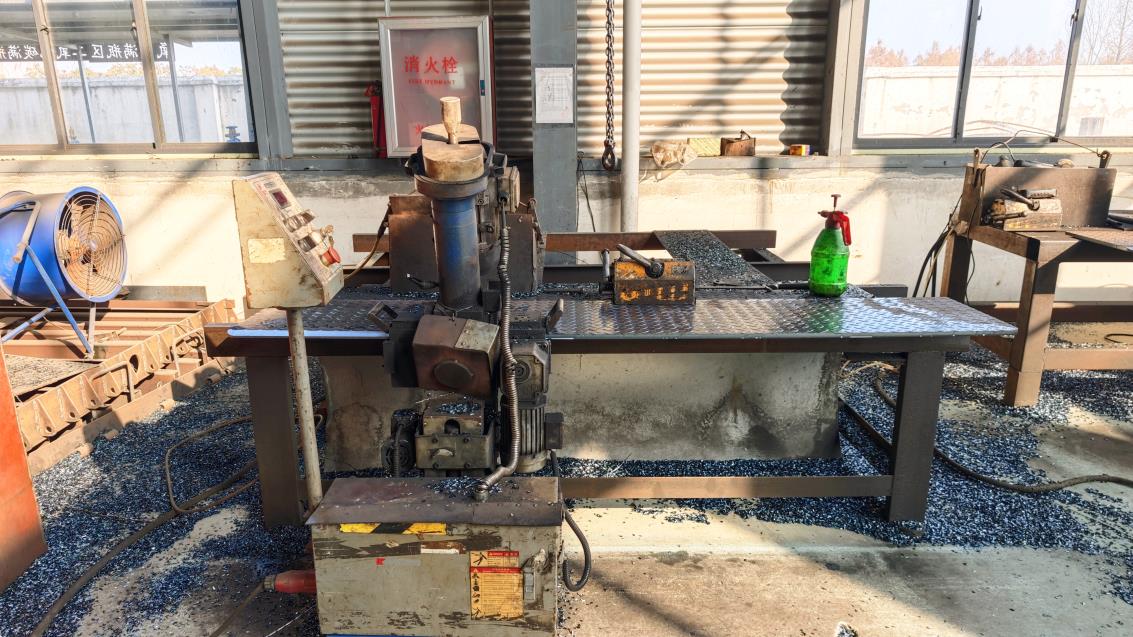
Established in 2020, Ningbo Dunton Logistics Machinery Co., Ltd. is a leading manufacturer specializing in intelligent loading and unloading solutions, industrial door seals, mechanical dock shelters, and hydraulic lifting platforms. Utilizing modern production principles, the company maintains a state-of-the-art 7,000 square meter factory equipped with advanced Japanese Fanuc robotic welding stations.
Our automation capabilities allow for efficient mass production of nearly 100 platforms daily, ensuring consistent high yield, quality control, and adherence to international safety standards. With exports spanning the globe, Dunton Logistics supports logistics hubs, automotive assembly lines, heavy industries, food production facilities, and large-scale distribution centers with high-efficiency equipment.
Cross-Market Applications for Logistics, Manufacturing, Heavy Industry, and Distribution
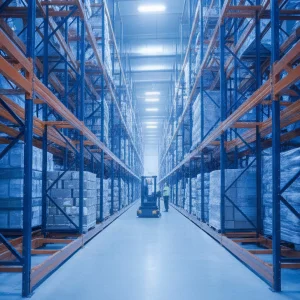
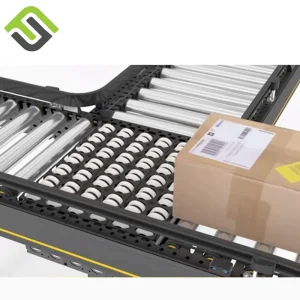
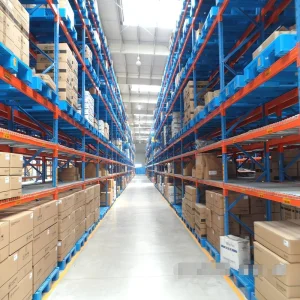
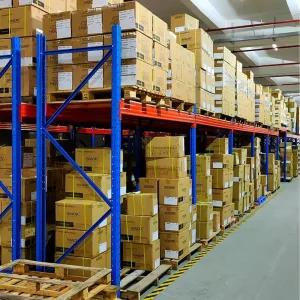
Integrating heavy-duty selective pallet racks and motorized conveyor systems streamlines warehouse logistics. Our mechanical PVC curtains and dock shelters keep internal temperatures consistent in cold storage facilities, reducing energy loss and protecting sensitive goods.
Hydraulic fixed scissor lifts are central to assembly height adjustments. Integrating lift tables with conveyor belts enables seamless assembly transitions, reducing manual handling time and improving operator ergonomics.
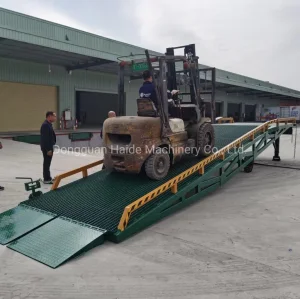
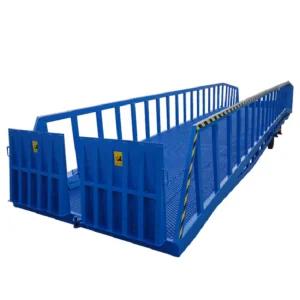
For demanding loading environments, our CE-approved mobile container yard ramps (ranging from 10 to 20 tons) provide smooth, fast forklifts access from ground to container floor, accelerating cargo loading cycles.
Adapting Material Handling Systems for the Industry 4.0 Era
Equipping hydraulic power units with temperature, load, and oil-pressure sensors allows for real-time diagnostics, shifting maintenance from reactive to predictive models.
Transitioning heavy-duty self-propelled scissor lifts to high-efficiency lithium-ion and hydrogen fuel cell systems, enabling longer operating cycles and reduced carbon emissions.
Integrating carbon-fiber structural composites into lighter, portable mobile dock ramps to improve durability and resistance to harsh environmental conditions.
Navigating varying regional regulations is a key consideration for global procurement teams. Dunton Logistics provides certified compliance support, aligning manufacturing specifications with the requirements of different geographic markets:
Through our established global service network, we coordinate local installation, preventative maintenance programs, and quick spare parts supply, minimizing downtime for critical material handling applications.
Addressing Common Technical Queries from Operations and Facility Engineers
Reliable Storage Solutions and Transport Systems for High-Throughput Intralogistics