Dunton Logistics
Dunton Logistics
Dunton Logistics
Explore our premium selection of commercial-grade logistics hardware, loading dock solutions, and custom heavy-duty construction welding assemblies.
An authoritative analysis of automatic pallet magazines, structural engineering, and their critical role in logistics optimization.
Space Savings
Injury Reduction
Cycle Consistency
Average ROI Period
In high-throughput distribution hubs, manufacturing plants, and cold chain operations, the manual handling of empty pallets presents a persistent bottleneck. Pallets are the foundational unit loads of global commerce, yet when empty, they consume critical horizontal floor space, present severe workplace safety (ergonomics) hazards, and degrade overall operational velocity. An Empty Pallet Stacker, alternatively known in industrial automation as a Pallet Magazine or Pallet Dispenser, solves these inefficiencies by mechanizing the collection, vertical stacking, and selective dispensing of pallets.
By moving from manual wooden or plastic pallet handling to automated vertical stacking solutions, facilities can systematically reduce forklift travel times, eliminate repetitive lifting strains for personnel, and protect structural assets. The modern logistical paradigm demands dynamic equipment that can work inline with Automated Guided Vehicles (AGVs), Autonomous Mobile Robots (AMRs), and traditional forklift fleets.
Information Gain Metric: While basic stackers merely accumulate pallets, Dunton Logistics' smart integrated stackers process real-time sensor feedback to optimize stack heights, detect damaged stringers, and interface directly with Warehouse Management Systems (WMS) via industrial Ethernet protocols.
Procurement directors and supply chain executives face strict demands when sourcing industrial equipment. Standard off-the-shelf configurations often fail to address localized challenges, such as varying pallet dimensions (e.g., GMA, Euro, Block, or custom automotive steel pallets), harsh operating environments, and complex safety standards.
Customization (OEM/ODM) is no longer a luxury; it is a fundamental requirement. Global enterprises require empty pallet stackers that are engineered for reliability and built with durable structural components. This includes heavy-duty structural steel weldments, robust hydraulic lift tables, variable-frequency drives (VFD) for smooth motion profiles, and integrated optical sensors to prevent misaligned stacks.
Analyzing the shift toward smart warehousing, green logistics, and resilient supply chains.
Modern pallet dispensers feature custom low-profile loading zones and smart communication interfaces. This allows autonomous systems to drop off or retrieve empty pallets without manual intervention.
Strict OSHA and EN ISO standards require fail-safe pneumatic and hydraulic locking mechanisms to prevent stack falls. Fully enclosed light curtains and interlocked gates are standard safety features.
OEM/ODM customers require systems that can scale. Modular bolt-together frames reduce initial transport costs and allow facilities to expand capacity from 15 to 30 pallets as volume grows.
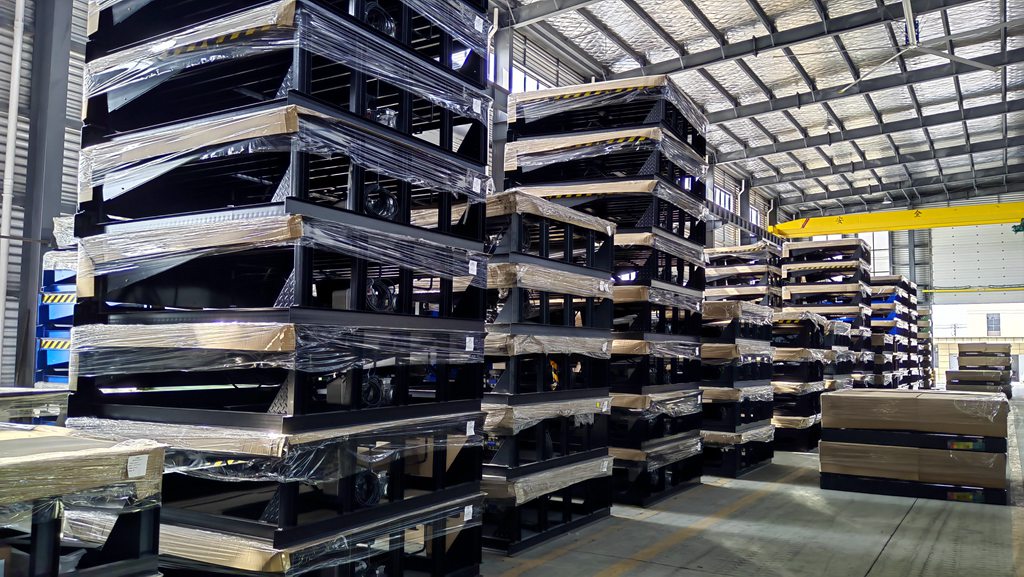
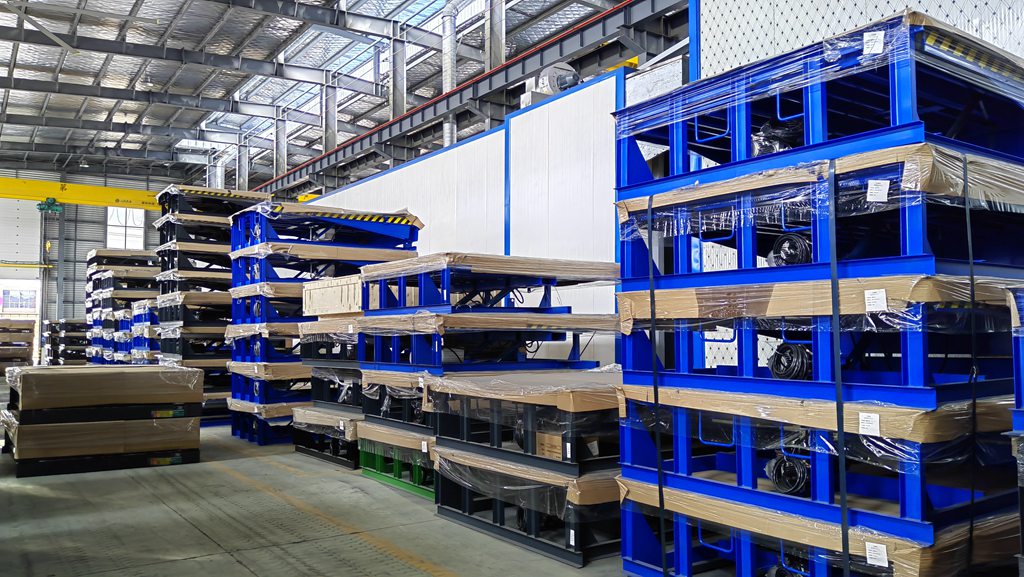
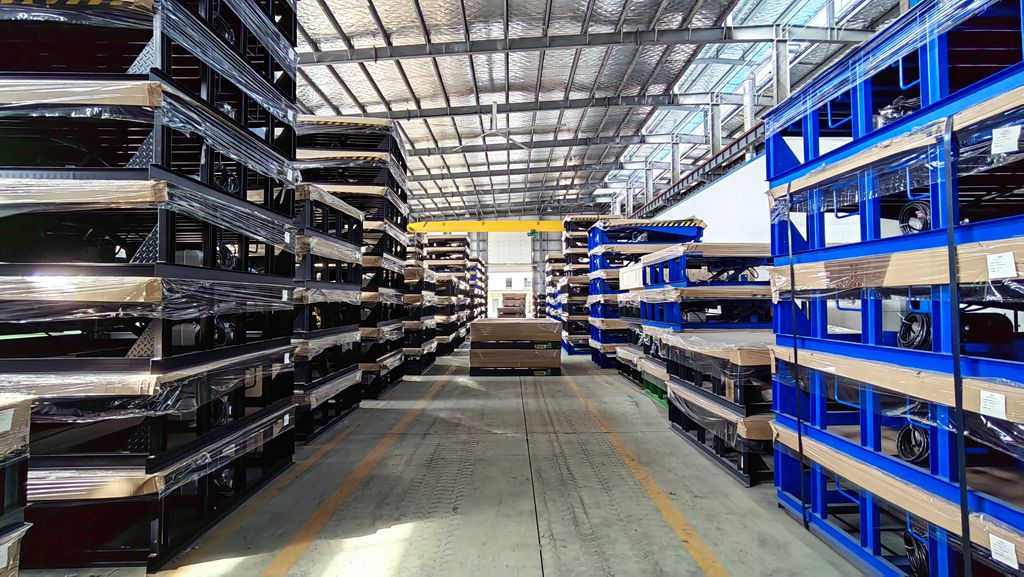
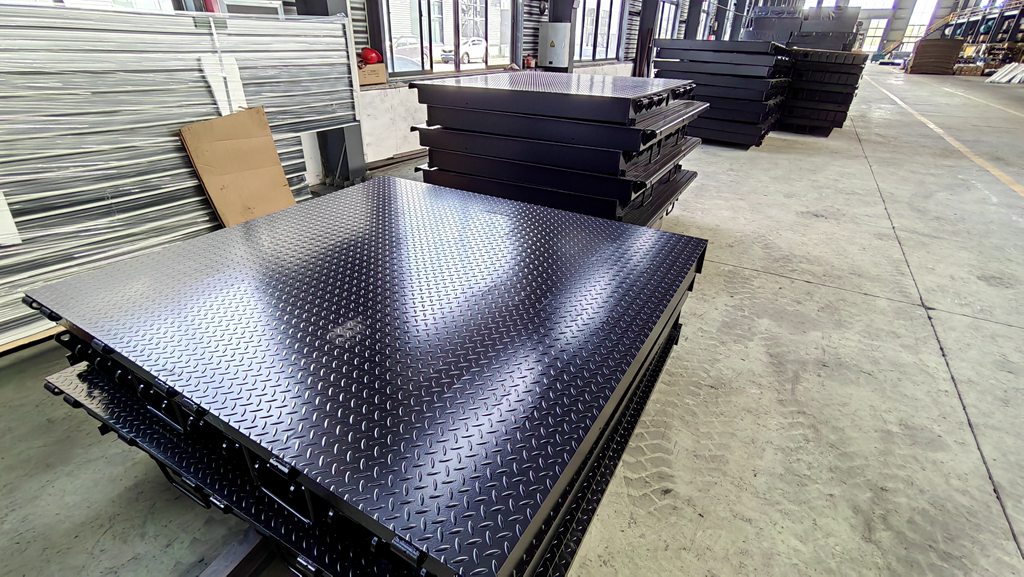
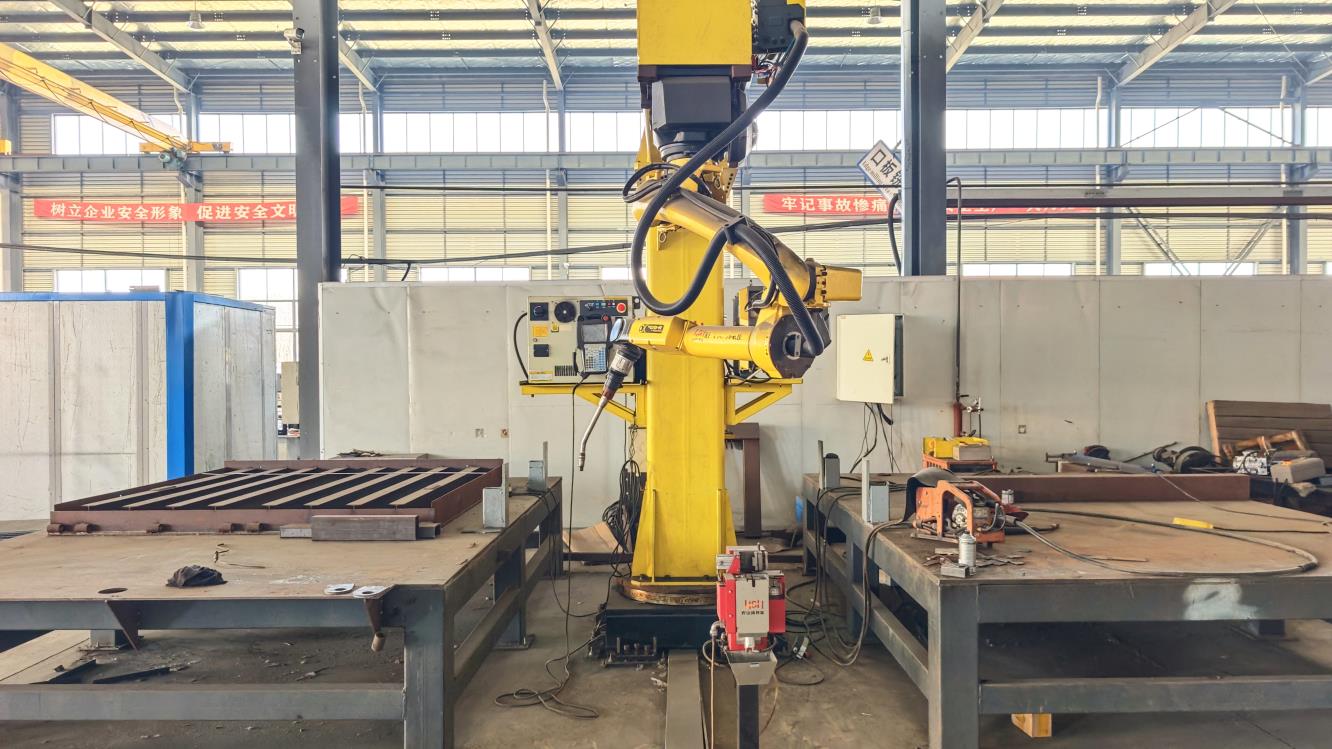
The global logistics equipment market relies on manufacturers who combine cost efficiency with advanced manufacturing tech. Ningbo Dunton Logistics Machinery Co., Ltd. represents this modern operational approach. With a modern 7,000 square meter production facility, Dunton leverages automated precision toolsets, including advanced Japanese Fanuc welding robots.
This robotics integration ensures consistent weld strength and structural integrity across every lift platform, dock leveler, and custom logistics assembly. Automation enables high-capacity production capabilities—up to 100 platforms daily—without compromising dimensional tolerances. This reliable throughput helps global partners maintain steady lead times even during volatile supply chain conditions.
Supply Chain Security Note: Our comprehensive material testing protocols, ISO/TS16949 quality framework, and close proximity to the Port of Ningbo (one of the world's busiest container hubs) minimize logistical risk. We ensure consistent supply stability and lower shipping costs for our global customers.
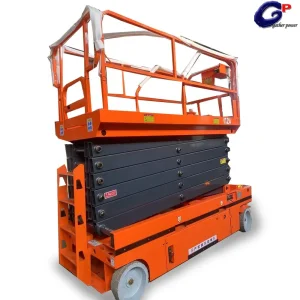
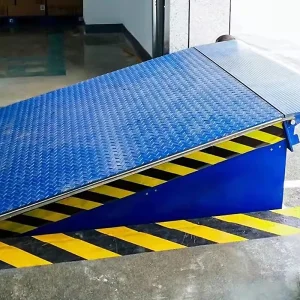
Ningbo Dunton Logistics Machinery Co., Ltd. is focused on manufacturing high-performance industrial door systems, loading/unloading equipment, and custom material handling solutions. As a specialized OEM/ODM manufacturer, we design and produce high-quality dock levelers, truck restraints, quick-acting roll-up doors, industrial sectional doors, and heavy-duty scissor lifts.
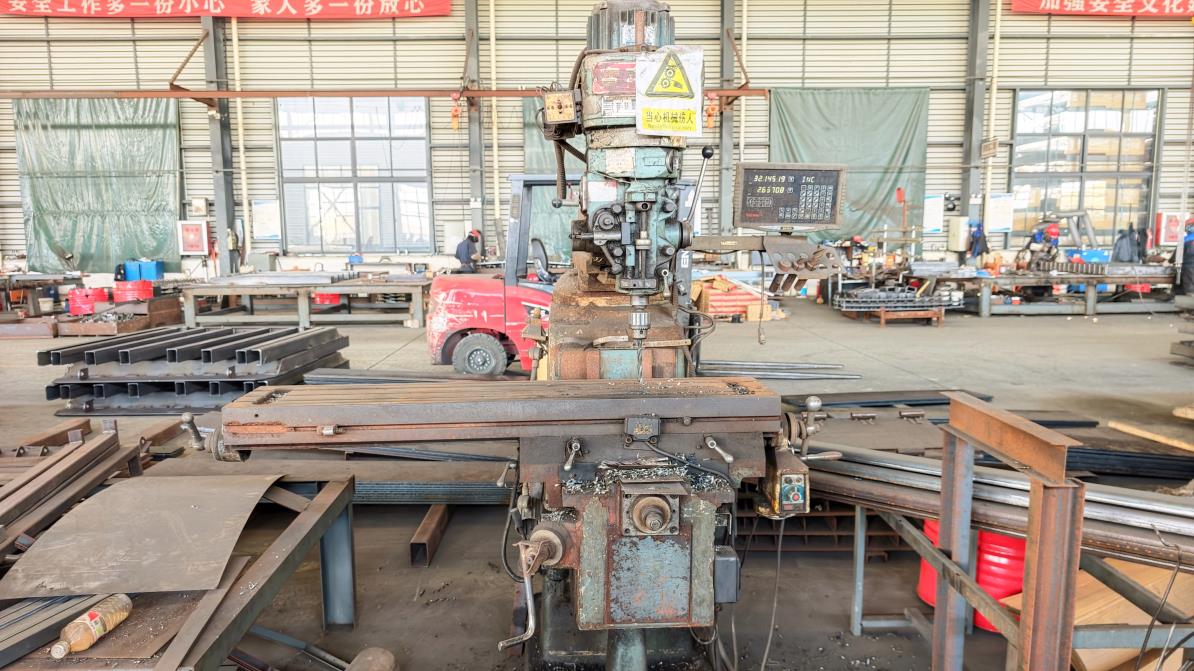
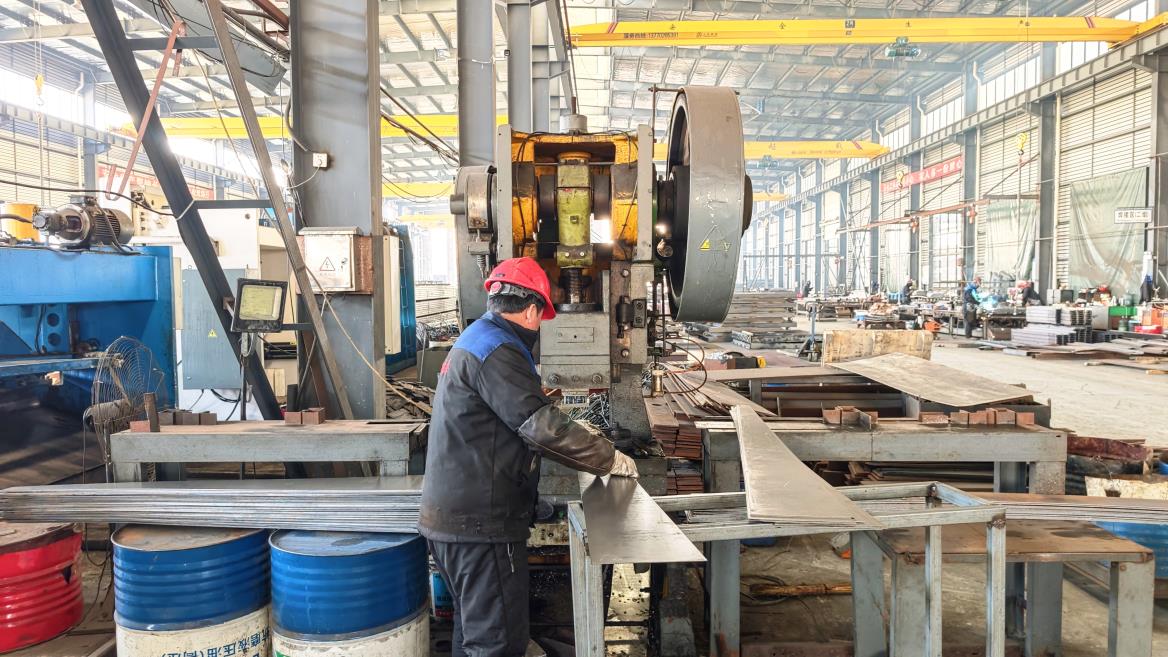
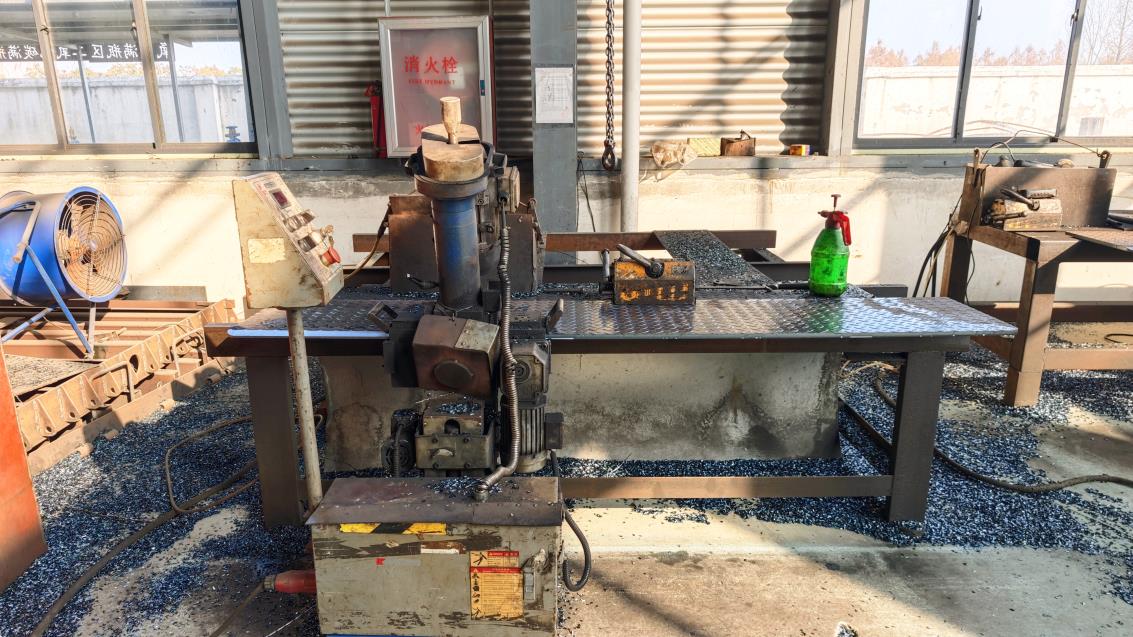
Operating from our modern 7,000 square meter facility, we combine advanced manufacturing technology, including Fanuc robotic welding lines, with strict quality management protocols. Our engineered products serve demanding industries worldwide, including cold chain storage, heavy manufacturing, logistics hubs, automotive assembly, and commercial distribution centers. We work closely with global distributors, logistics contractors, and OEM partners to deliver reliable, long-term performance.
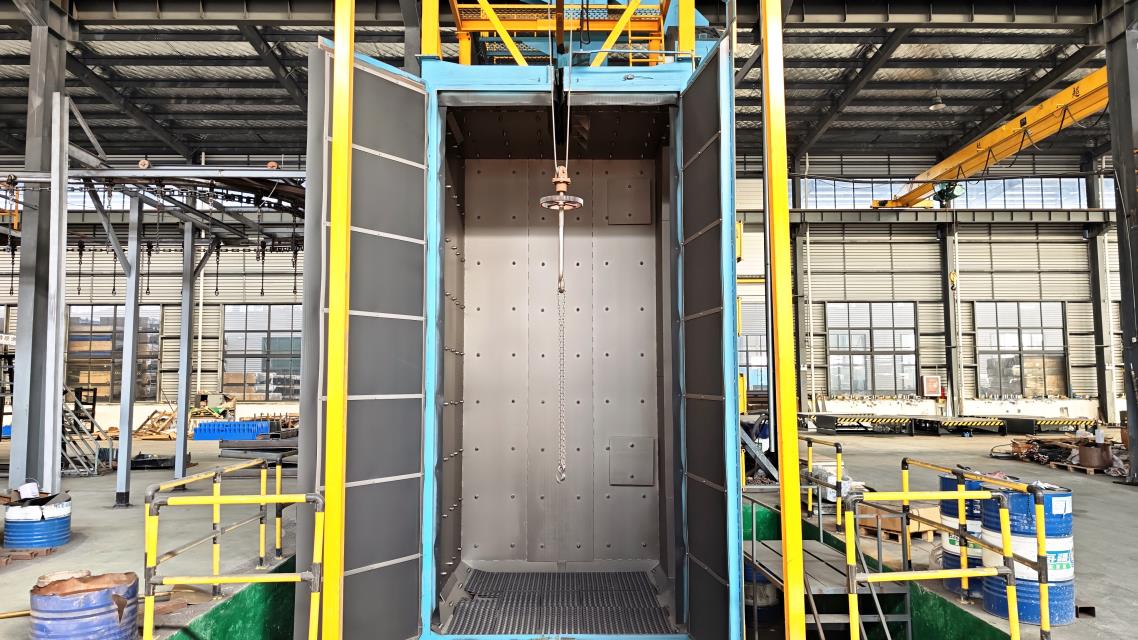
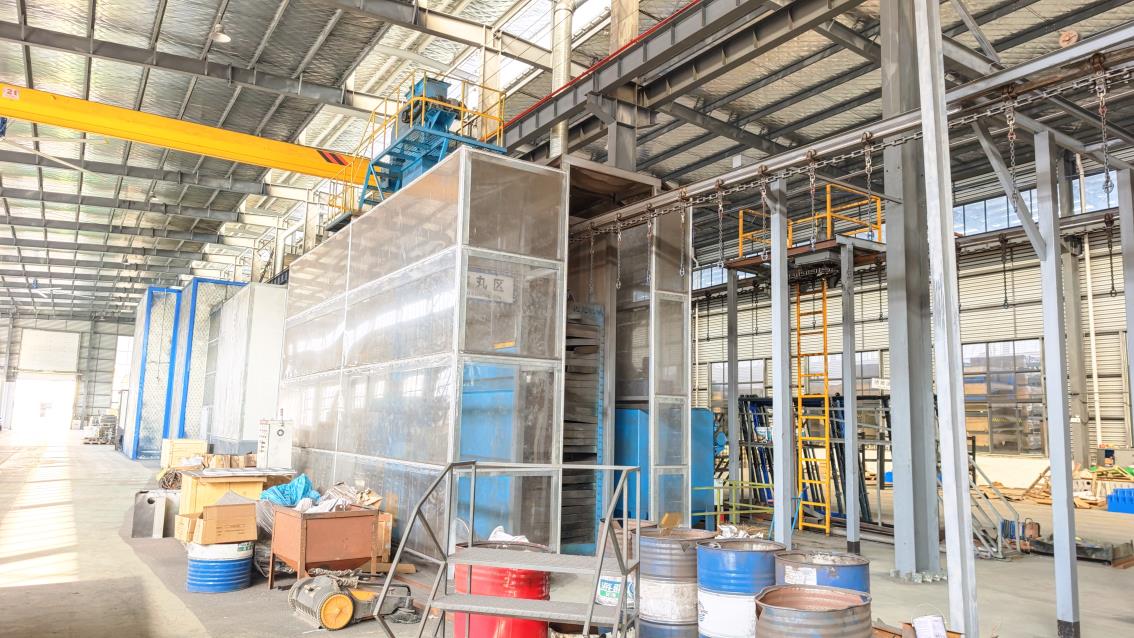

| Brand | Dunton Logistics |
| Business Type | Manufacturer / Exporter |
| Est. Year | 2020 |
| Registered Capital | $5,000,000 USD |
| Employees | 501 - 1000 |
| Factory Area | 5,000 - 10,000 m² |
| Certificates | ISO/TS16949, ISO10012, ISO13485, ISO14001, CCC, RoHS |
| Production Lines | 50 active lines |
| QC Department | 5 - 10 Specialists |
| Payment Terms | L/C, T/T, Western Union, Custom Arrangements |
| Shipment Terms | FOB, CFR, CIF, EXW, FCA, CPT, CIP |
How industry-specific configurations drive safety, thermal efficiency, and high throughput.
In high-volume e-commerce fulfillment hubs, empty pallets accumulate rapidly at receiving docks and order-picking zones. Manual sorting of these empty pallets often clutters staging areas and creates forklift hazards. Integrating an automated empty pallet dispenser alongside your conveyor network helps consolidate up to 25 pallets into a single vertical stack. Forklift operators can then transport the uniform stacks efficiently, saving floor space and minimizing transport loops.
Cold storage environments are demanding. Equipment seals, lubricants, and structural components must withstand extreme sub-zero temperatures. Standard stackers operating in these conditions often experience hydraulic failures or electrical malfunctions. Dunton Logistics builds cold-room configurations with high-viscosity low-temperature oils, double-lip polyurethane cylinder seals, heated PLC control enclosures, and corrosion-resistant powder coatings to ensure reliable 24/7 performance.
In automated robotic assembly cells (such as automotive or heavy chemical plants), robot arms require a steady, reliable supply of empty pallets. If a pallet is misaligned by even 10mm, the robotic arm may fail to grip it, causing an emergency line shutdown. Our high-precision empty pallet dispensers feature mechanical centering guides and photoelectric arrays. This configuration ensures that every dispensed pallet is placed within a strict ±2mm tolerance, enabling continuous automated production.
Detailed answers to complex questions regarding empty pallet dispenser selection, safety, and performance.
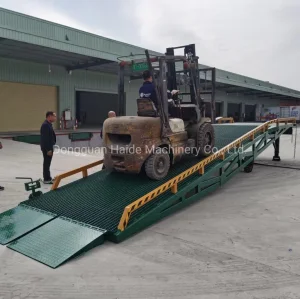
Select from our certified industrial dock seals, safety locks, roller conveyors, and hydraulic yard ramps.