Dunton Logistics
Dunton Logistics
Dunton Logistics
High-precision 6-axis articulation, laser trackless navigation, and 240-ton ultra-heavy transport solutions optimized for Surabaya's port logistics & manufacturing ecosystems.
As the economic capital of East Java and Indonesia's second-largest metropolis, Surabaya stands as the crucial maritime gateway for Eastern Indonesia. Anchored by the major port facility of Tanjung Perak and surrounded by mega industrial corridors including SIER (Surabaya Industrial Estate Rungkut), Gresik Industrial Estate, and Karangpilang Industrial Zone, the region is undergoing a structural transition from labor-heavy manual manufacturing to high-density, autonomous intra-logistics systems.
Modern production facilities across Surabaya's automotive, food and beverage, consumer packaged goods (CPG), heavy machinery, and cold-chain logistics sectors face mounting headwinds: escalating operational overhead, high humidity coastal environments, floor space constraints, and stringent workplace safety mandates. Resolving these bottlenecking factors requires deploying state-of-the-art material handling robotics, including Autonomous Mobile Robots (AMRs), Automated Guided Vehicles (AGVs), and multi-axis industrial robotic manipulators engineered to perform in tropical industrial environments.
Surabaya's key industrial zones require scalable material handling architectures to keep pace with growing throughput at Tanjung Perak. Heavy industrial facilities in Gresik demand extreme payload handling capacity (ranging from 10-ton transfer carts up to 240-ton heavy-duty AGVs) capable of seamless indoor-outdoor transition across foundry, steel processing, and shipyard plants. Simultaneously, high-speed CPG lines in Rungkut necessitate compact, agile AMRs equipped with 3D LiDAR natural-feature navigation to operate within tight 1.2-meter aisle dimensions without structural floor modification.
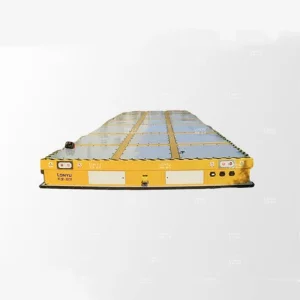
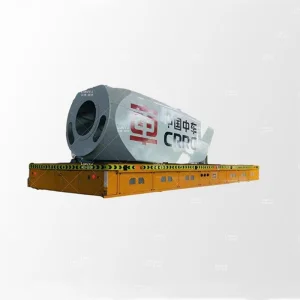
Custom-built 120T to 240T hydraulic lift AGVs designed for shipyards, metal casting, and heavy equipment manufacturing plants in Surabaya and Gresik. Features multi-wheel steering vectors and fail-safe braking systems.
Enclosures rated IP65/IP67 with anti-corrosion thermal coatings, humidity control units, and sealed drive motors specifically configured for Java's maritime climate and dust-intensive factory floors.
Selecting the optimal automated handling matrix depends on load profile, spatial geometry, path flexibilities, and integration depth with existing Warehouse Management Systems (WMS) and Manufacturing Execution Systems (MES). Below is an engineering taxonomy of contemporary robotic platforms deployed across international and Indonesian supply chains:
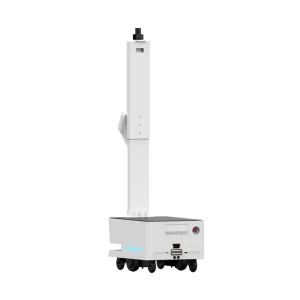
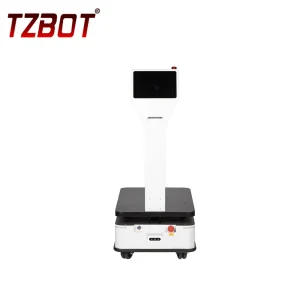
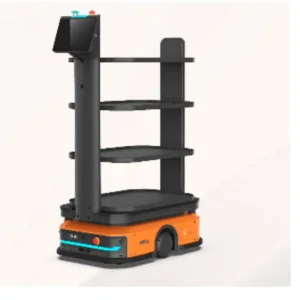
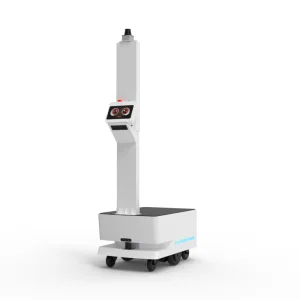
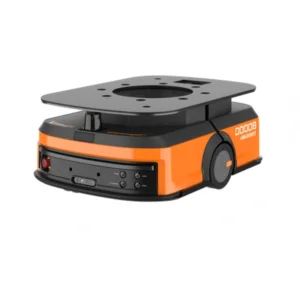
Unlike traditional magnetic tape AGVs, modern AMRs utilize 2D/3D LiDAR Natural Feature Navigation (SLAM) to build environmental maps dynamically. They calculate optimal routes in real-time, executing dynamic obstacle avoidance without infrastructure alteration. Ideal for rapid distribution hubs near Tanjung Perak Port.
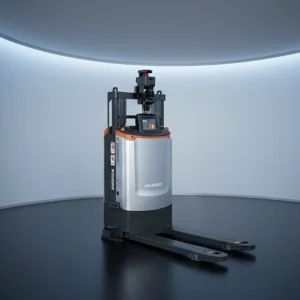
Specifically engineered for heavy engineering, transformer manufacturing, and maritime module transport. Utilizing heavy-duty polyurethane or steel wheels, dual-lift hydraulic platforms, and omnidirectional steering geometries (Mecanum or multi-axis swivel units), these platforms handle massive payloads while protecting industrial floor substrates.
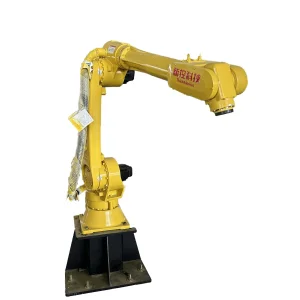
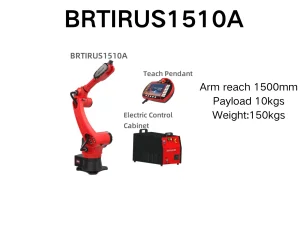
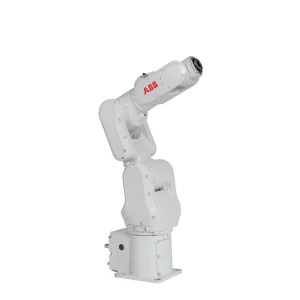
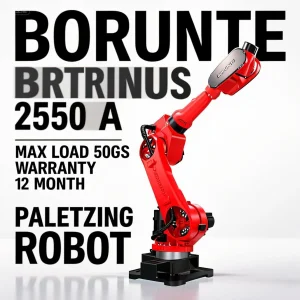
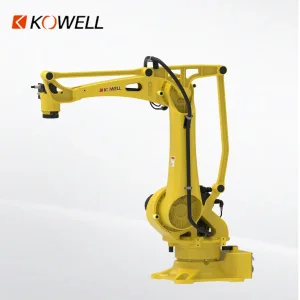
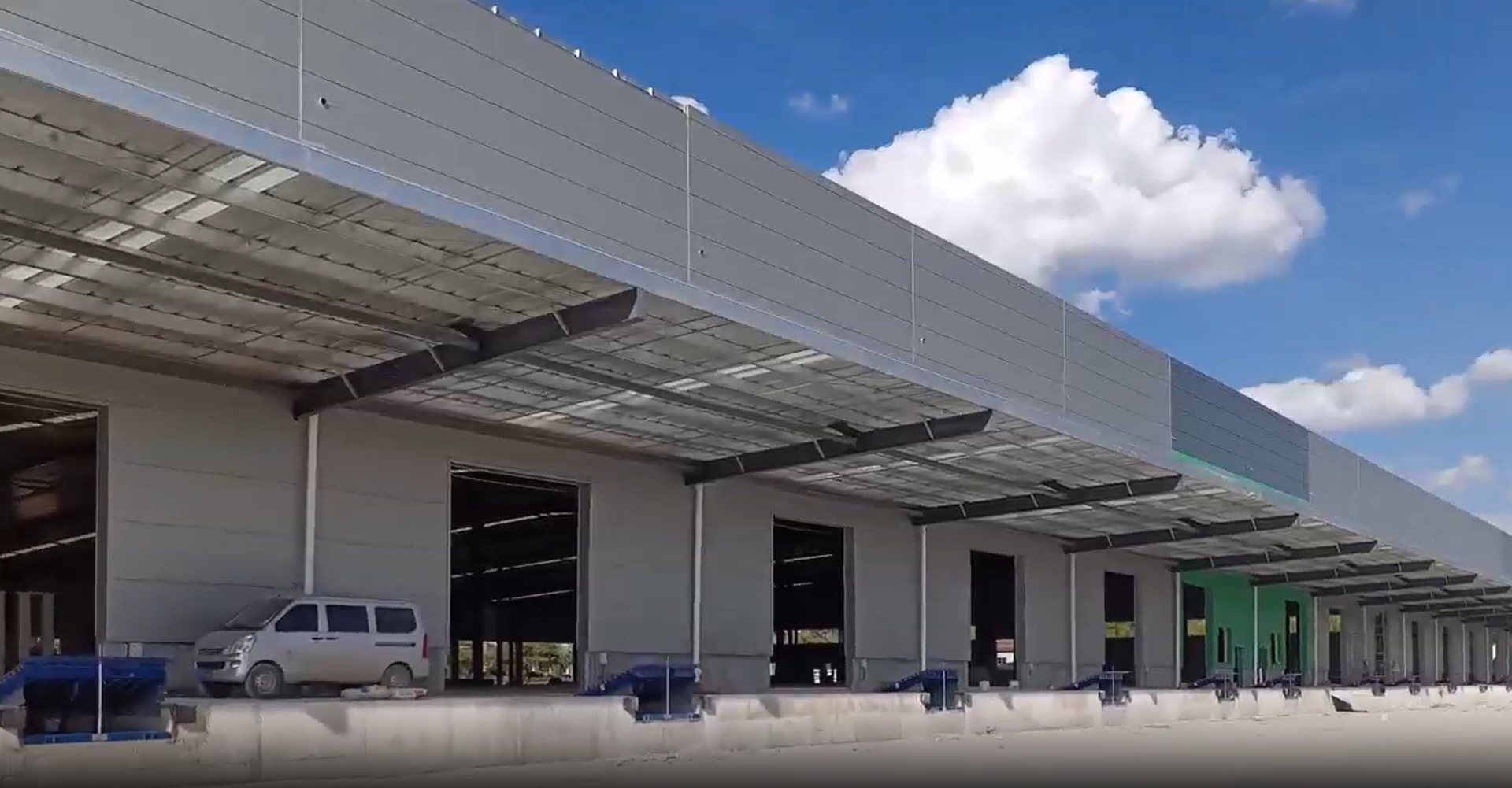
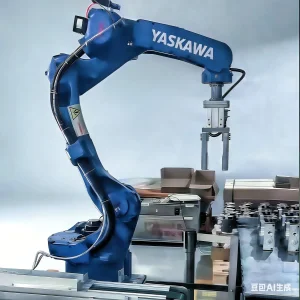
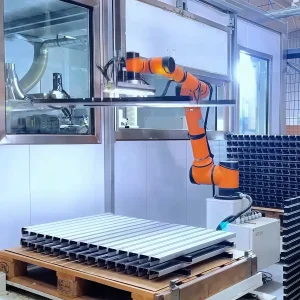
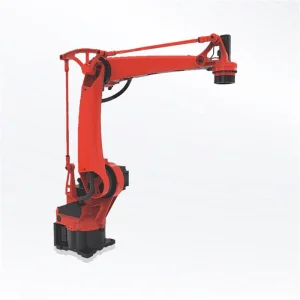
6-Axis industrial arms (e.g., ABB IRB 1100, Yaskawa Motoman GP25, Aubo CoBots) provide high-precision palletizing, depalletizing, machine tending, and robotic welding. Their integration with conveyor networks automates the transition from production cell to outbound dock leveler.
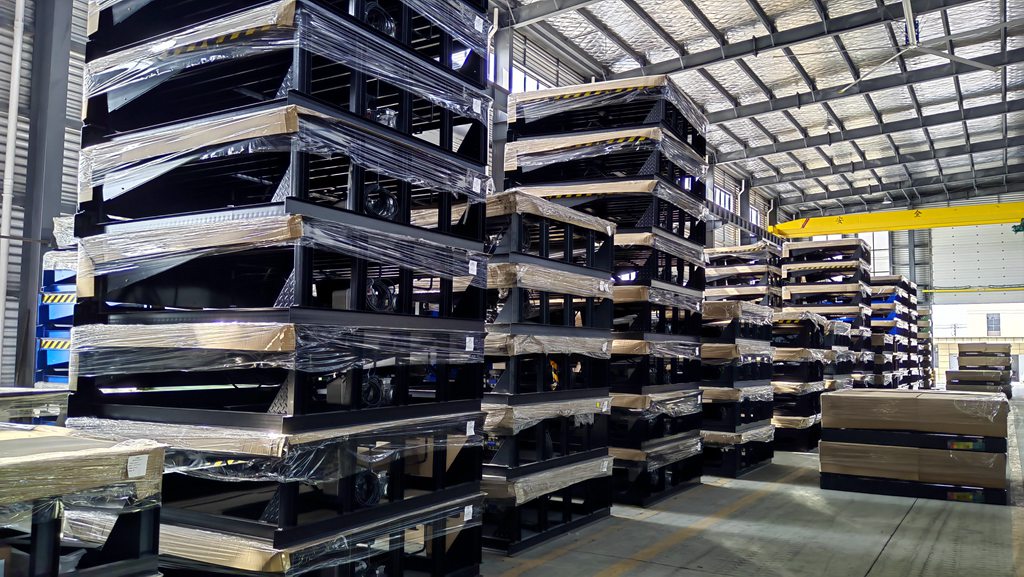
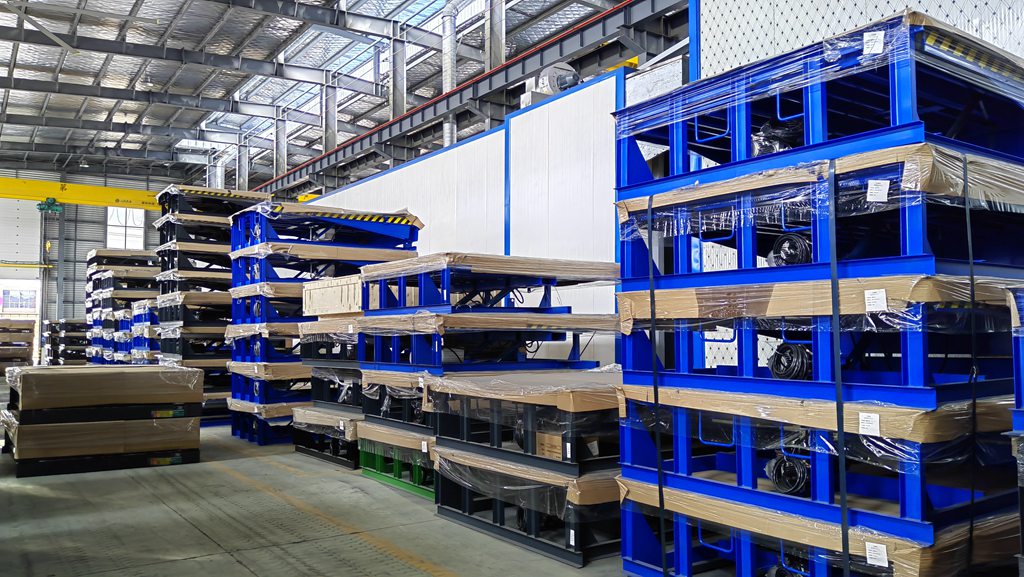
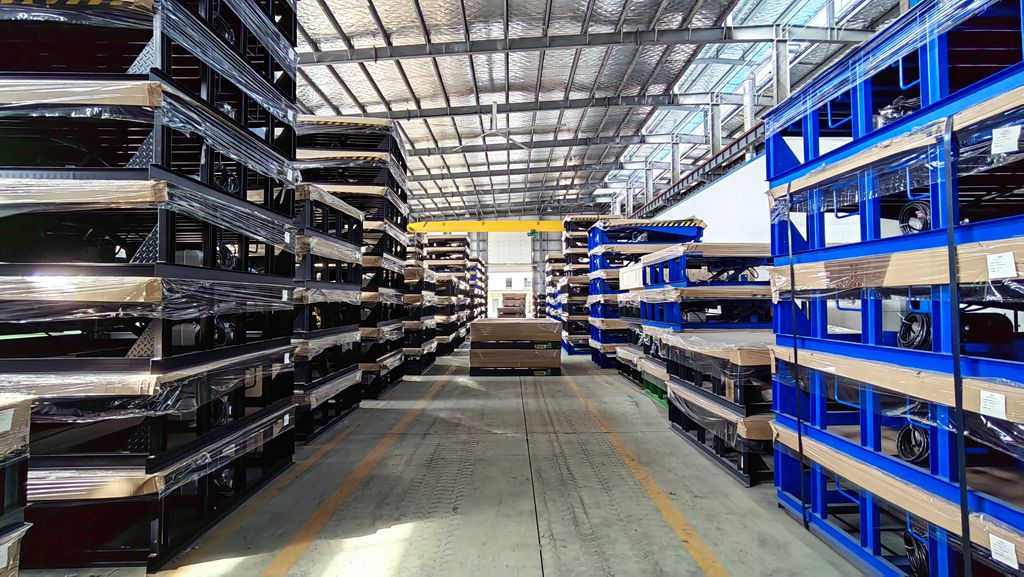
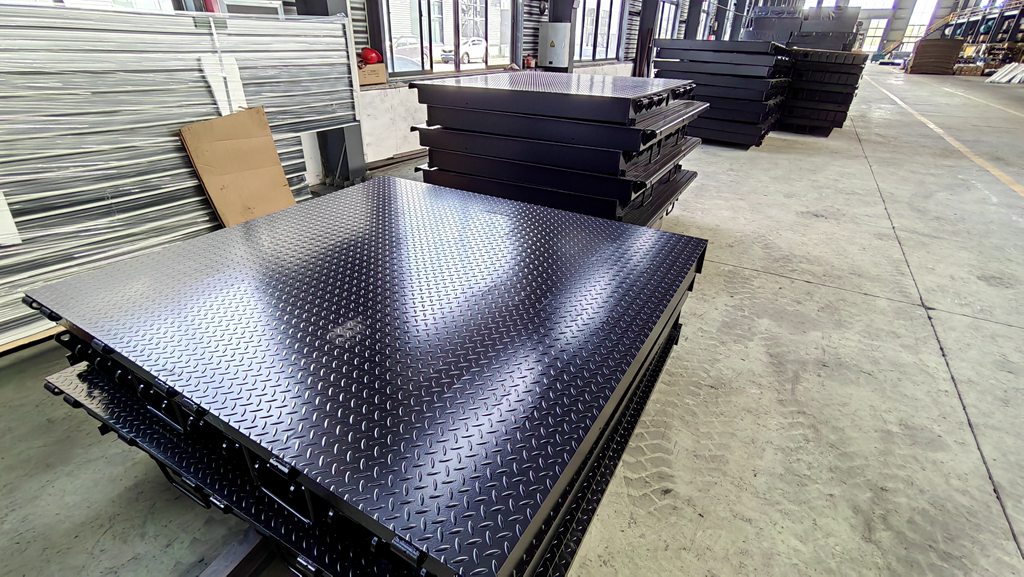
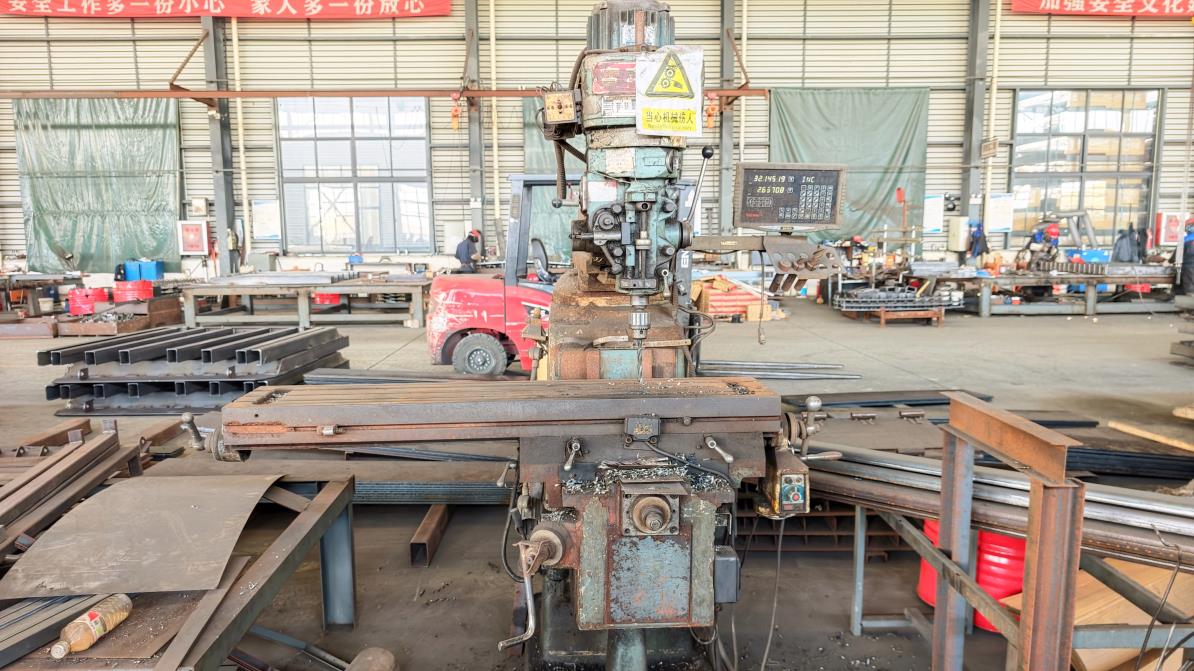
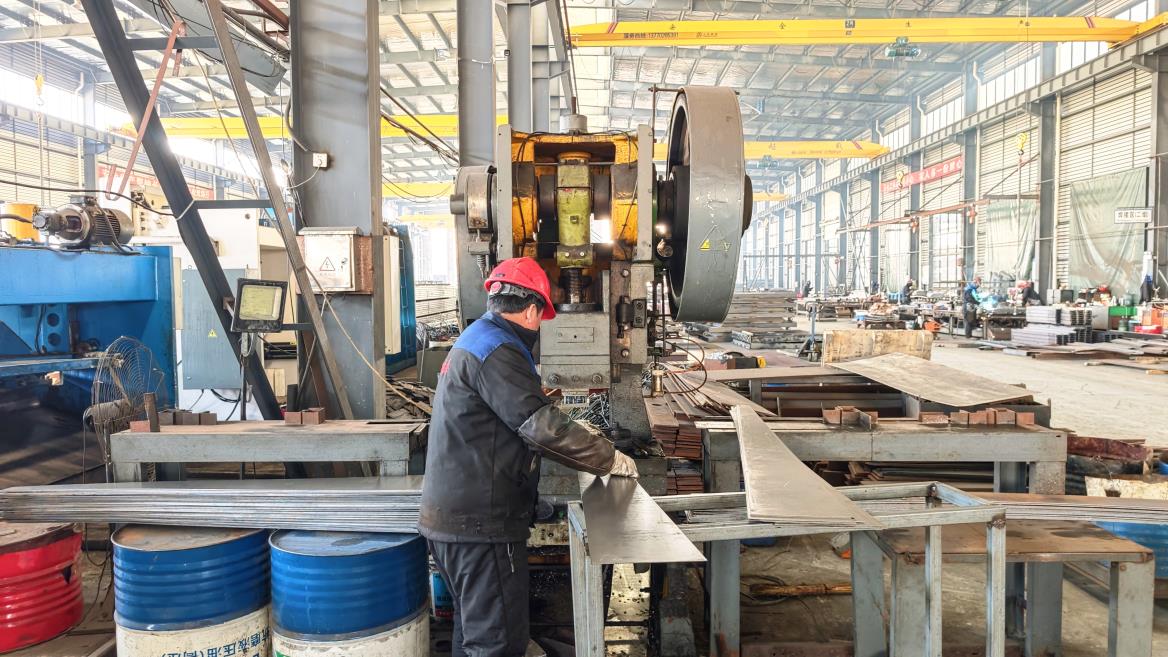
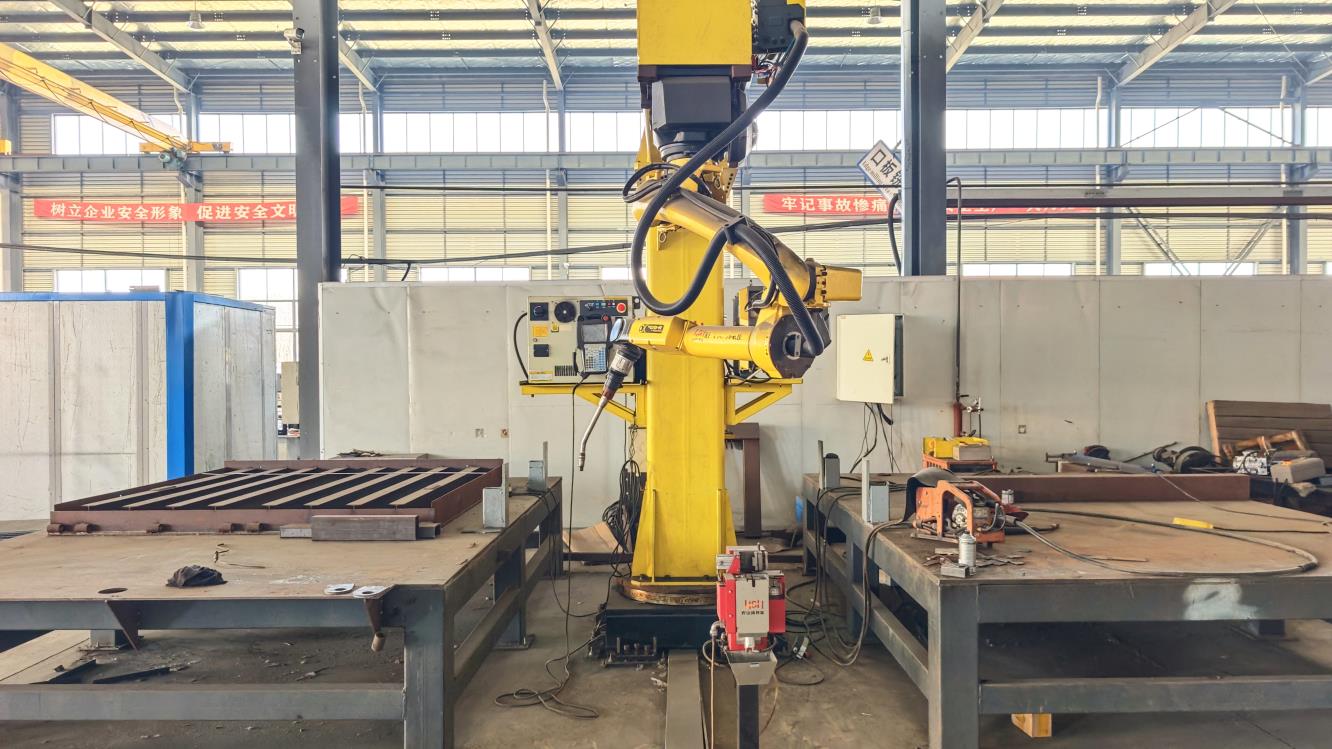
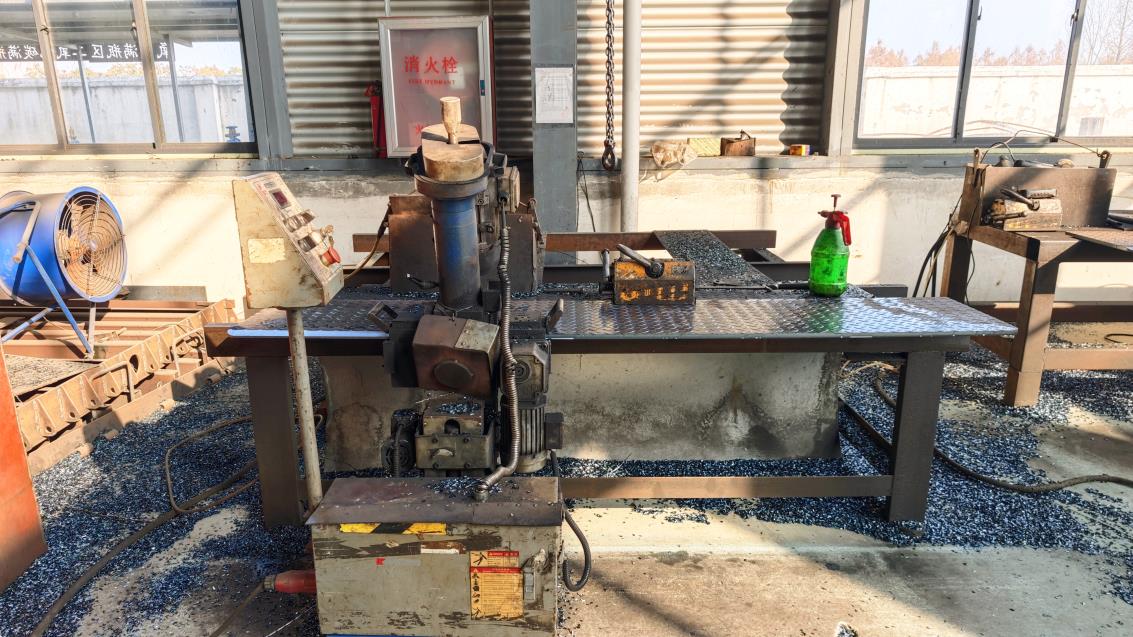
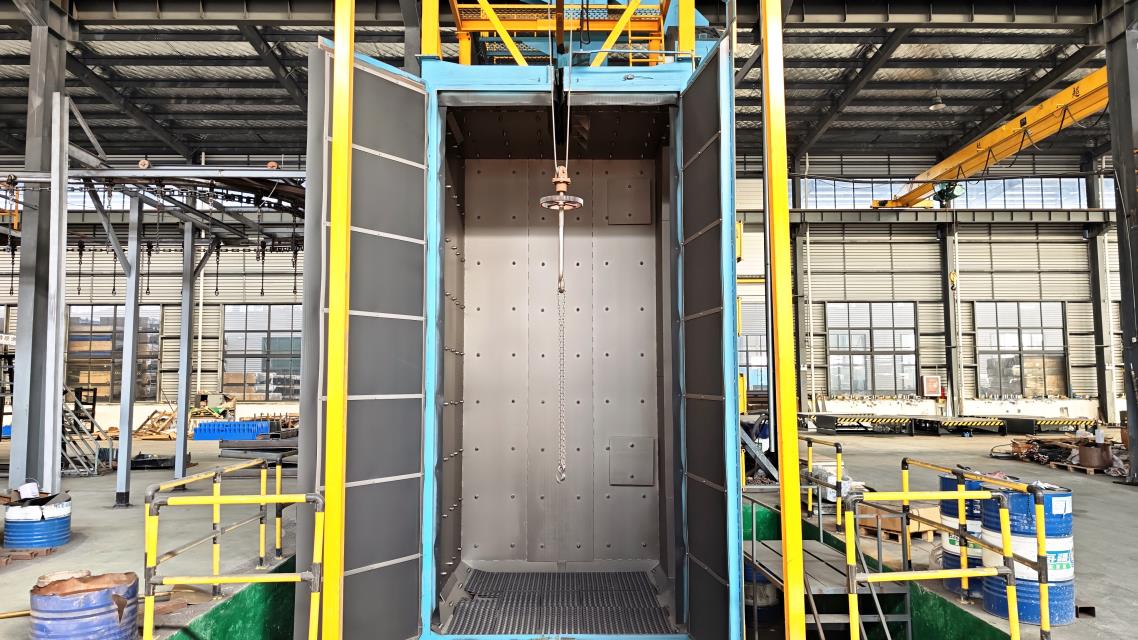
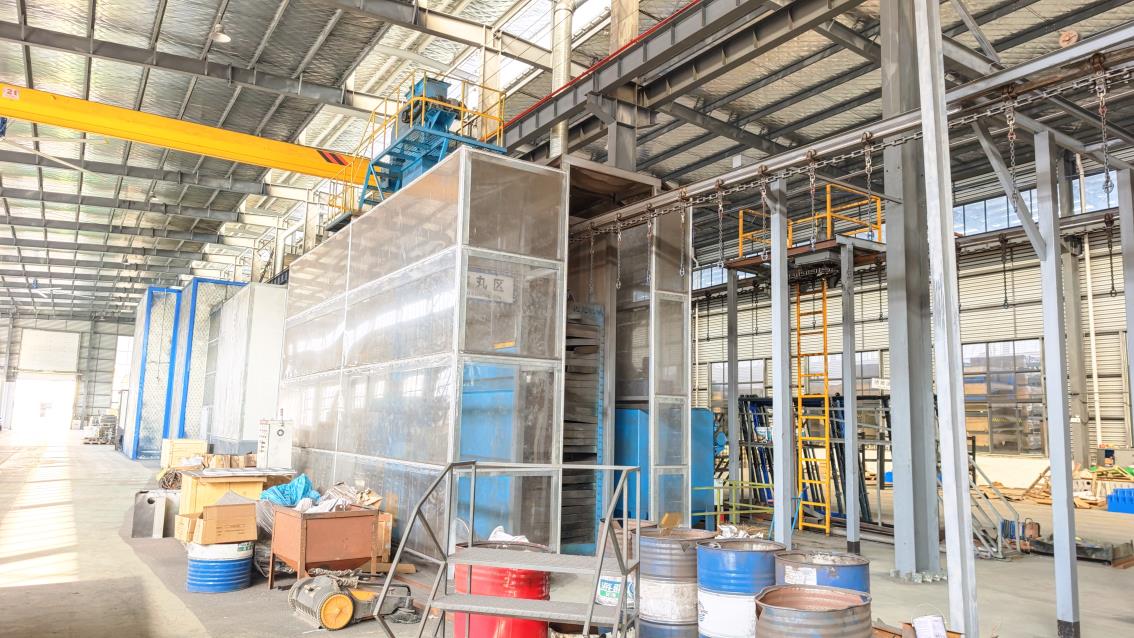
Ningbo Dunton Logistics Machinery Co., Ltd. is a leading global developer and manufacturer of intelligent loading dock solutions, industrial door systems, and automated logistics transfer equipment. Operating a modern 7,000 to 10,000 square meter manufacturing plant, Dunton integrates advanced Japanese Fanuc robotic welding lines to maintain mass production capacities exceeding 100 lifting platforms and dock levelers daily.
Through robust international quality management standards—including ISO/TS16949, ISO14001, ISO10012, ISO13485, CCC, and RoHS certifications—Dunton Logistics delivers high-yield, continuous-duty industrial hardware engineered to interface seamlessly with modern AGV and AMR networks.

Deploying robotic systems in Indonesia requires strict alignment with national industrial regulations, safety standards, and local environmental conditions. Modern installations across East Java are expected to comply with global safety benchmarks such as ISO 3691-4 (for driverless industrial trucks) and ANSI/RIA R15.08.
Explore our full operational portfolio of autonomous forklifts, pallet movers, collaborative arms, and specialized industrial manipulators available for immediate export to Surabaya.
Consult with our robotics engineering team today to receive a comprehensive layout analysis, ROI payback projection, and tailored product quotation for your facility.
Send Inquiry Now