Dunton Logistics
Dunton Logistics
Dunton Logistics
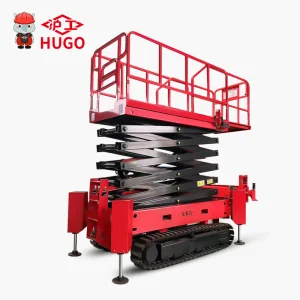
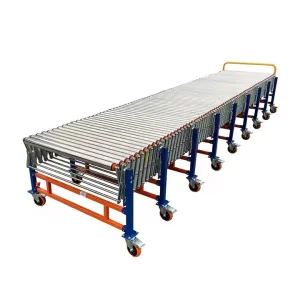
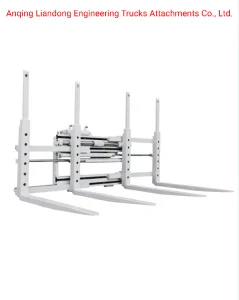
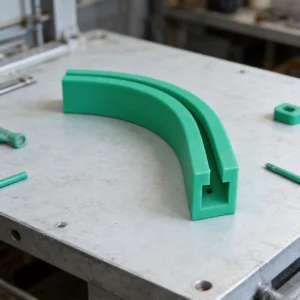
In the era of hyper-globalized supply chains and Industry 4.0 automation, stacking carts and mobile material handling units are no longer simple warehouse utilities. They have transformed into complex, modular mechanical assets key to high-throughput operations.
Industrial warehousing, retail distribution, cold-chain environments, and manufacturing lines across North America, Europe, and Asia-Pacific require versatile, heavy-duty mobile staging systems. Stacking carts provide the missing link between automated material transport (such as AGVs) and fixed racking infrastructure. By offering rapid vertical and horizontal scalability, stackable logistics carts reduce footprint constraints, improve handling cycle times, and support flexible assembly flows in automotive plants and automated fulfillment centers.
Globally, the demand for stacking carts is heavily influenced by the rise of third-party logistics (3PL) providers and cold-chain supply operations. Storage efficiency is the primary driver of this demand. When empty, stacking carts nest or collapse to reclaim up to 75% of valuable floor space, solving a key challenge in prime real estate fulfillment hubs. When loaded, their reinforced structural frames permit multi-tiered stacking without putting pressure on the cargo itself, serving as mobile temporary racks that bypass rigid structural limitations.
Maximizes warehouse vertical density by transforming raw floor area into high-capacity dynamic storage, enabling multi-tier stacking with certified safety ratios.
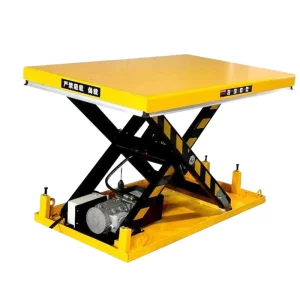
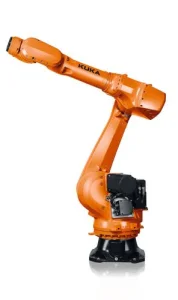
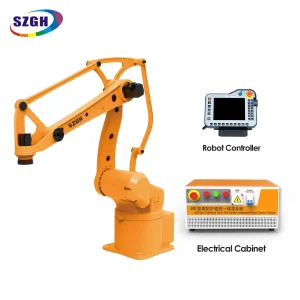
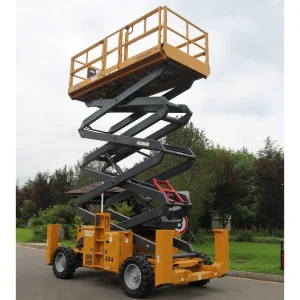
Seamlessly interfaces with automated robotic cells, scissor lifts, and telescopic roller conveyor networks to secure a smooth transition during intra-facility transit.
Features heavy-gauge steel structures, protective barriers, and anti-impact designs to keep materials safe from physical damage in high-traffic work zones.
How Dunton Logistics combines automated robotic welding, premium materials, and scalable logistics networks to deliver high-capacity industrial systems worldwide.
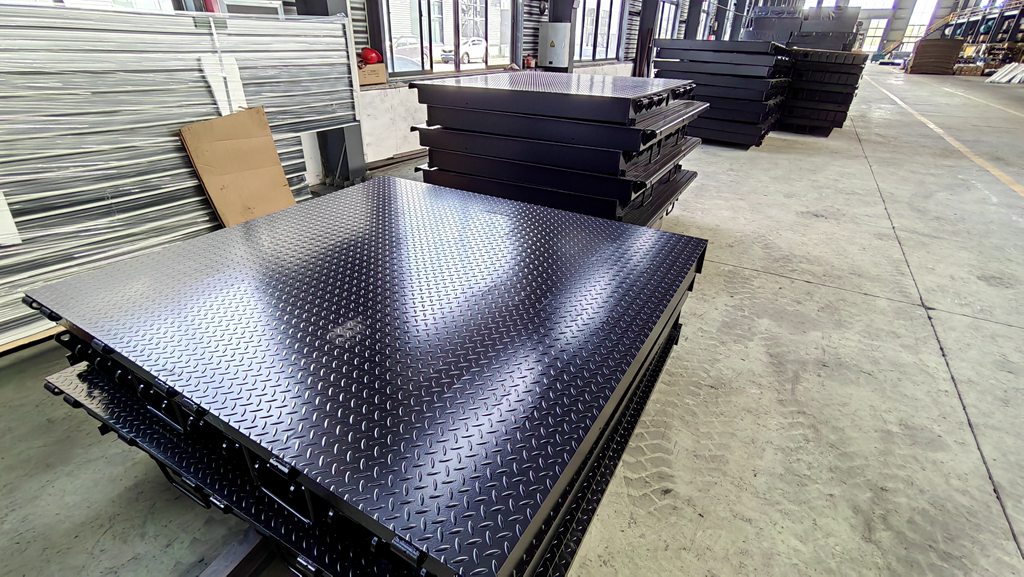
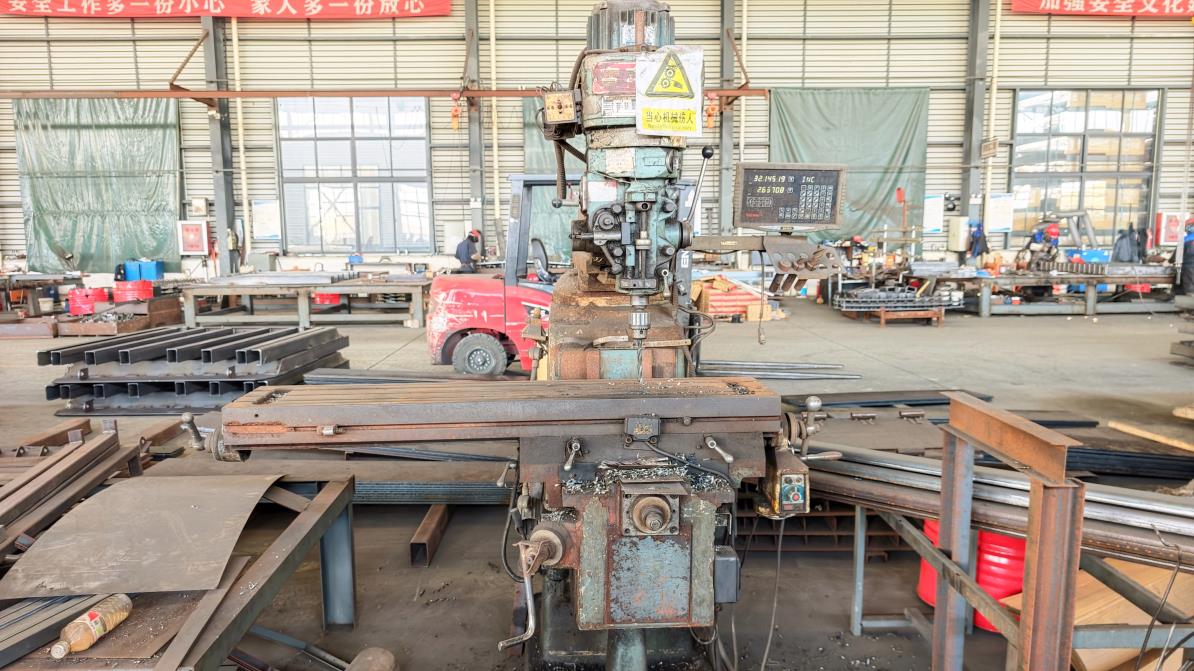
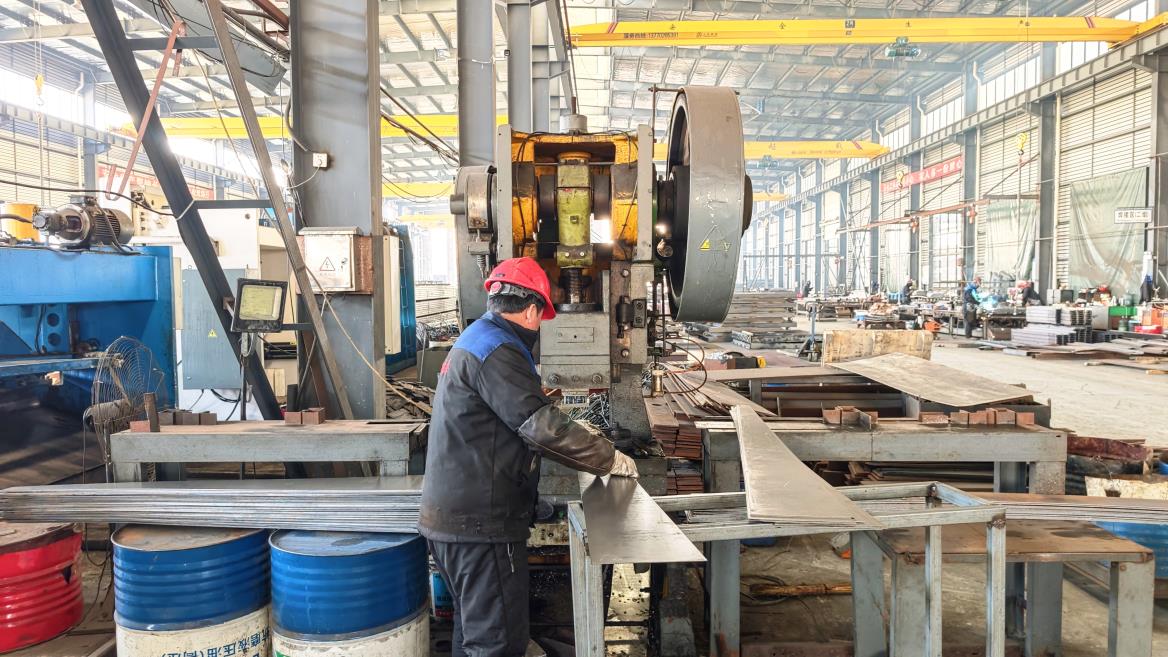
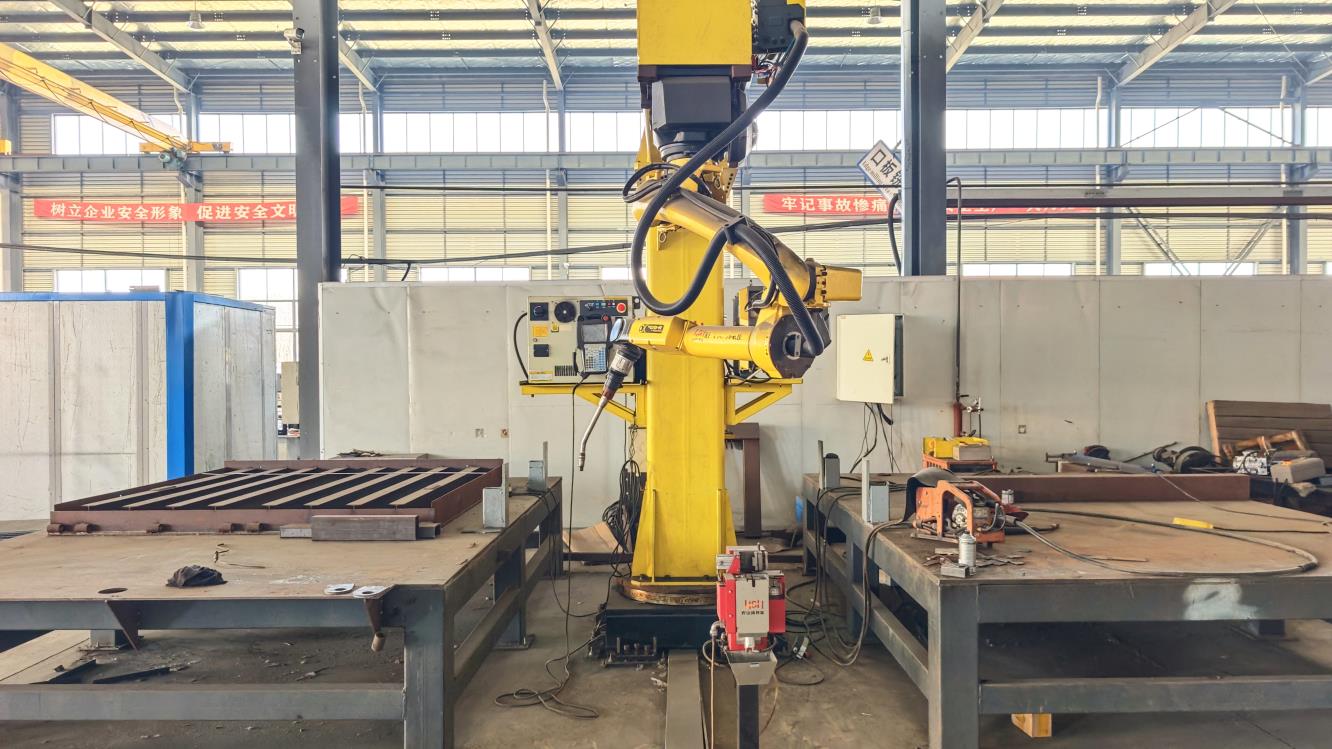
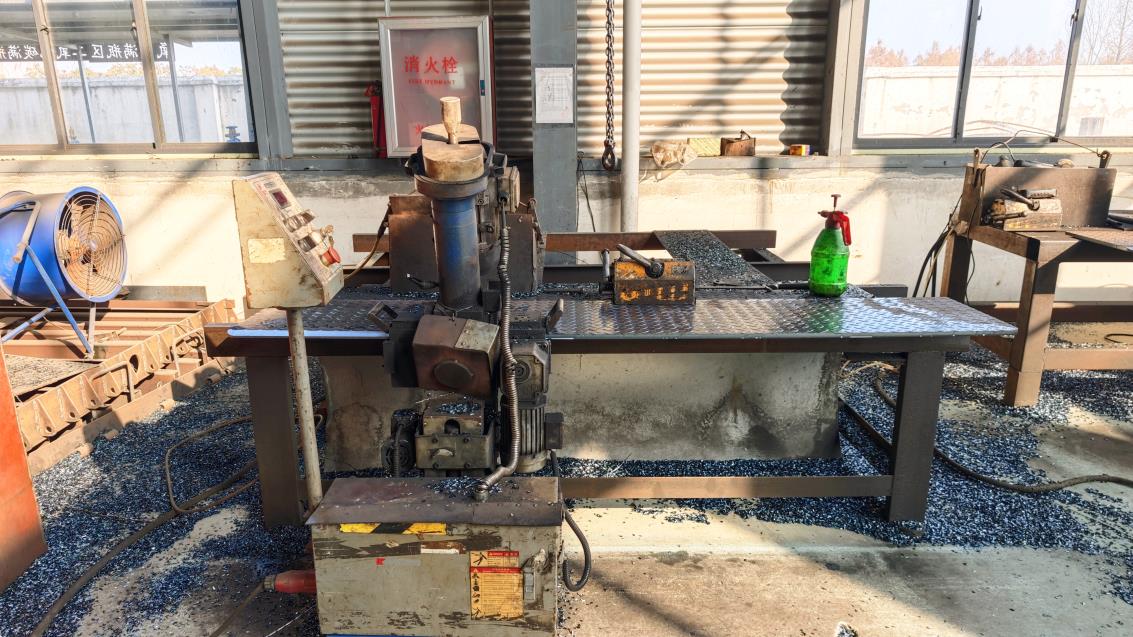
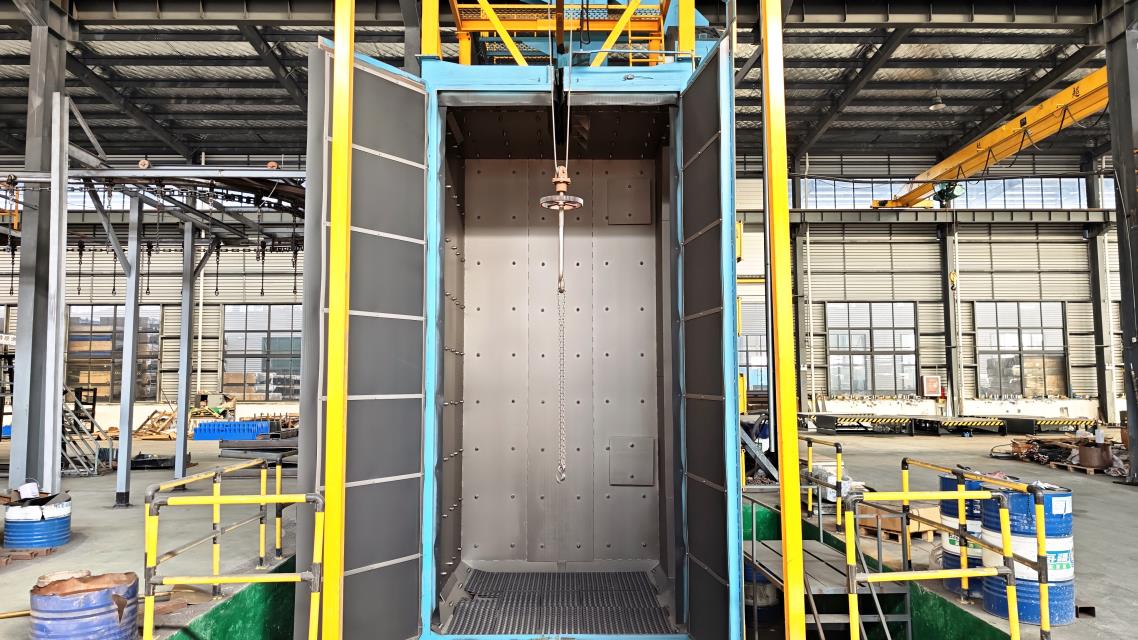
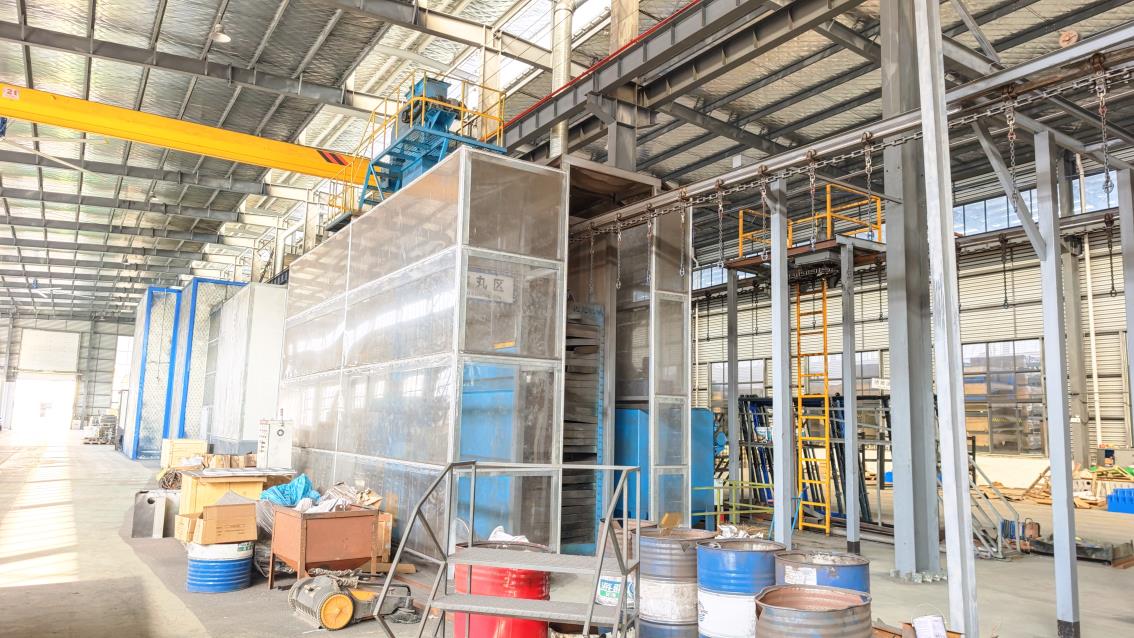
Ningbo Dunton Logistics Machinery Co., Ltd. sits at the center of China’s modern material handling and logistics equipment industry. Leveraging advanced Fanuc robotic welding stations, Dunton Logistics runs 50 specialized production lines that provide structural reliability, speed, and precision across its entire catalog.
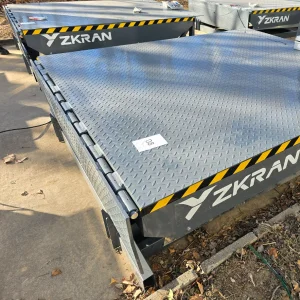
By automating complex welding sequences, the facility handles up to 100 industrial platforms and custom heavy-duty steel weld frame components daily. This automated assembly ensures that structural joints, loading ramps, and mobile scissor lifts meet demanding global quality criteria, including ISO/TS16949 and ISO14001 certifications.
This technological framework reduces production cycle variances and allows Dunton Logistics to provide versatile OEM/ODM support for international partners. Global organizations benefit from structured lead times (1 month in off-season, 1–3 months during peak periods) and flexible shipping formats (FOB, CFR, CIF, EXW).
| Manufacturer | Ningbo Dunton Logistics Machinery Co., Ltd. |
| Production Area | 7,000+ Square Meters Modern Factory |
| Automation Systems | Japanese Fanuc Advanced Welding Robots |
| Production Capacity | 50 Active Assembly & Testing Lines |
| Industry Certifications | ISO/TS16949, ISO14001, CCC, RoHS, ISO13485 |
| Daily Output Limit | Nearly 100 Industrial Platforms / Assemblies |
| Quality Assurance | 5 - 10 Dedicated QC Engineering Staff |

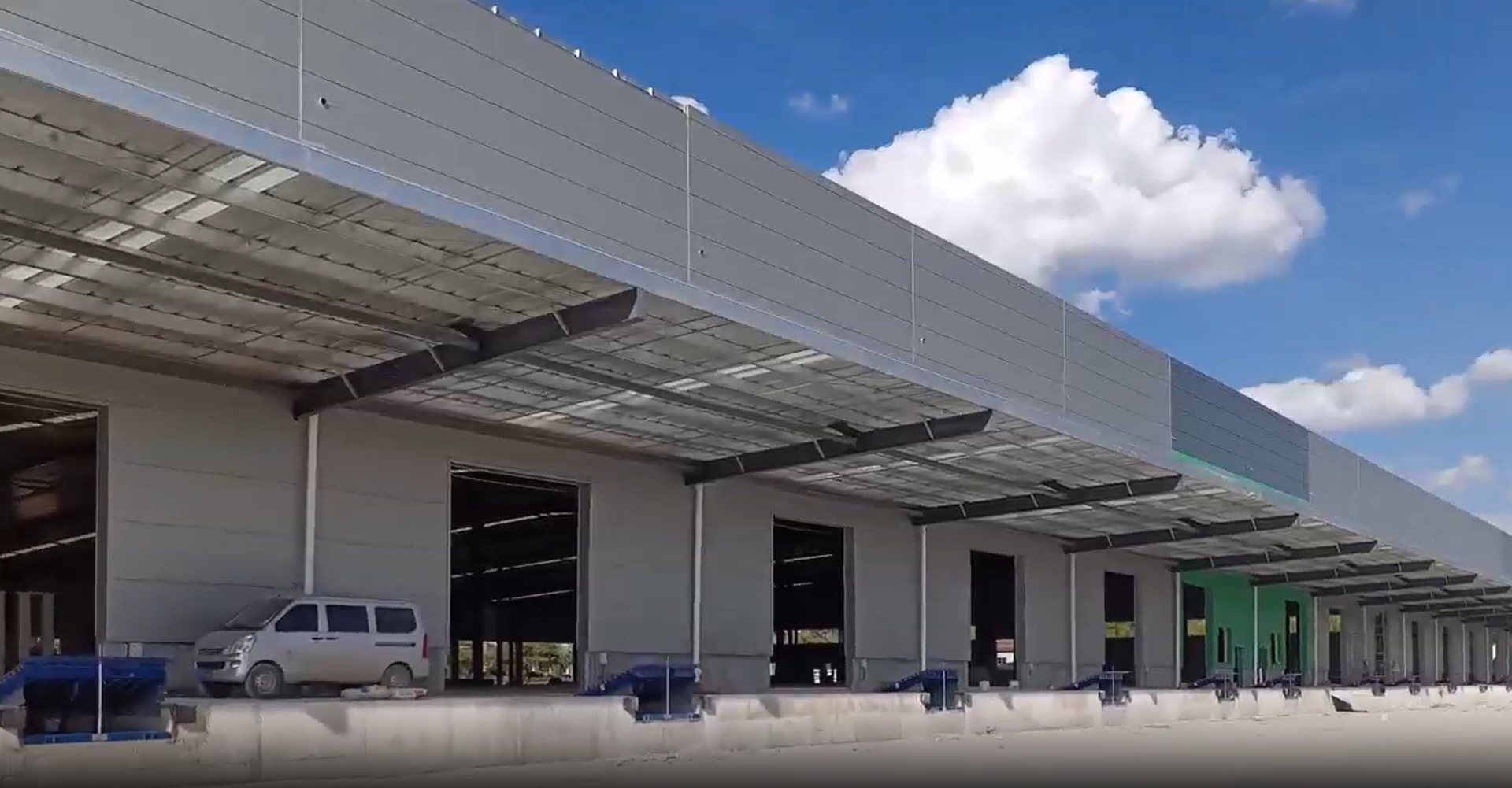
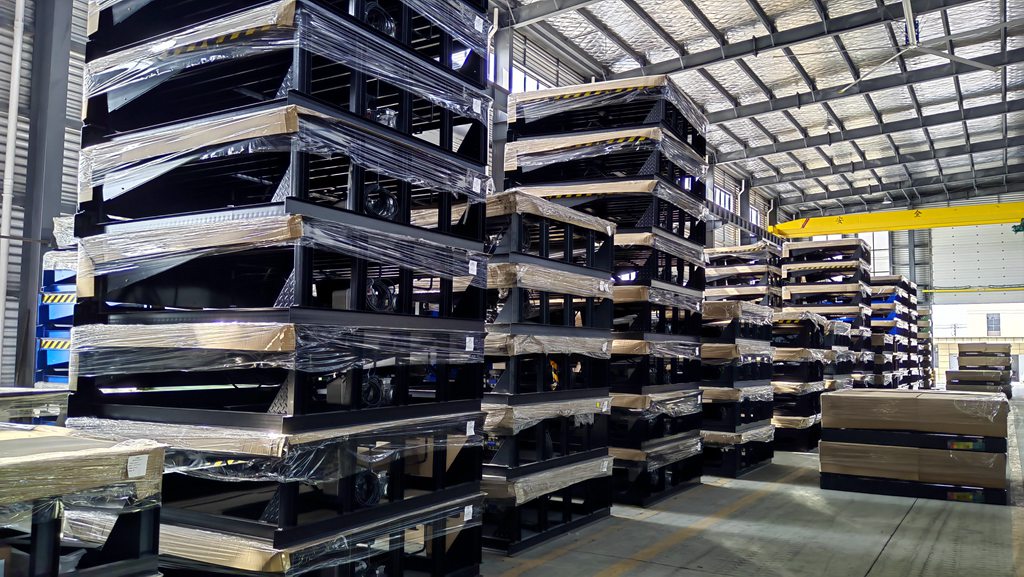
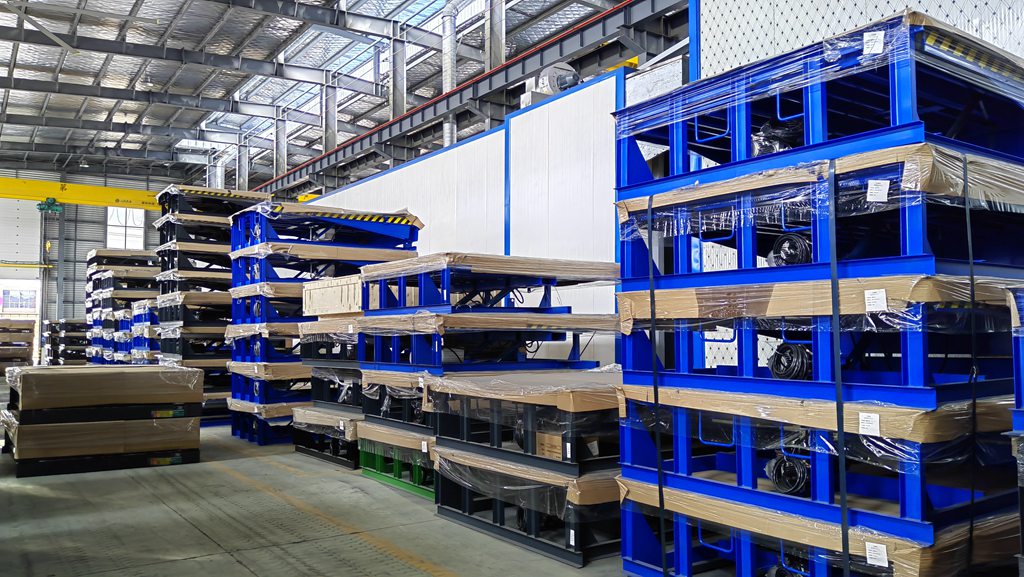
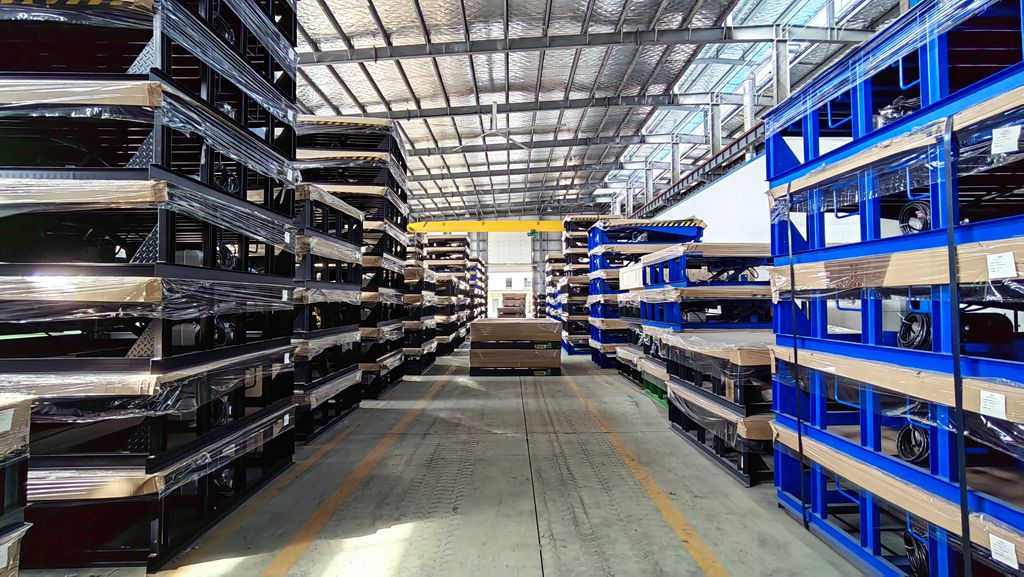
From cold-chain translation portals to heavy industrial lines, specialized material handling systems ensure smooth logistics across various commercial spaces.
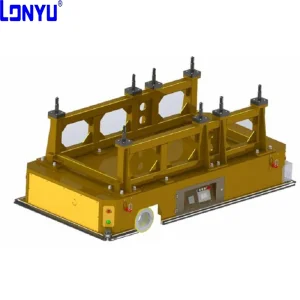
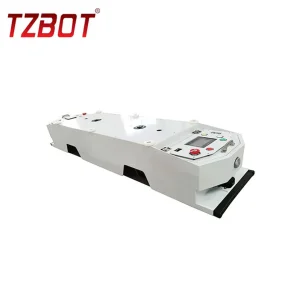
Designed to interface with telescopic conveyor systems and automated guided vehicles (AGVs). These systems speed up shipping carton consolidation, minimize human intervention, and maintain a continuous flow of cargo to the loading dock.
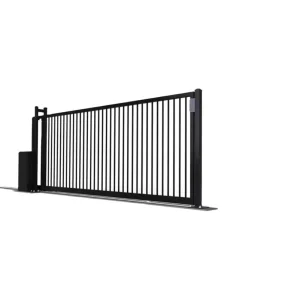
Moisture-resistant, high-strength structural materials operate reliably in environments as cold as -30°C. They work alongside fast cold-storage translation doors and dock levelers to preserve thermal insulation and protect perishables.
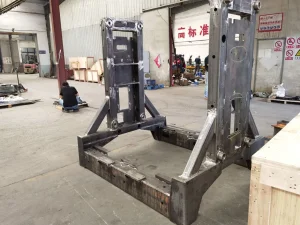
Custom steel frames support heavy components like engine assemblies and transmissions. These carts protect parts from surface contact damage and make it easy to transition loads from manual stations to robotic work cells.
Key industry changes are shifting B2B buyer priorities toward automation, environmental responsibility, and structural safety.
1. Fleet Interoperability & AGV Integration: Procurement teams look for structural systems that work seamlessly with Automated Guided Vehicles. Stacking carts must feature uniform dimensions and standardized base structures to allow automated lifters, under-cart robots, and overhead cranes to move them safely.
2. Materials Engineering & Durability: Industrial teams are moving away from traditional wood and low-grade plastics. High-strength structural steel, treated with hot-dip galvanization or powder-coated finishes, is now standard for demanding shipping environments.
3. Stringent Work Environment Safety: Warehousing safety rules (such as OSHA and EN ISO standards) require material handling carts to feature built-in mechanical safety mechanisms. Ergonomic pull handles, heavy-duty foot breaks, anti-tip tracking channels, and impact-resistant bumpers are vital features.
4. Total Cost of Ownership (TCO): B2B buyers focus on the entire lifecyle cost of equipment, prioritizing long-term durability over low initial prices. Reliable structural components reduce maintenance costs and prevent downtime in modern high-speed logistics operations.
Expert answers to technical questions about materials, capacities, and production capabilities.