Dunton Logistics
Dunton Logistics
Dunton Logistics
Premium automation, storage, and material handling systems engineered for high-density modern facilities.
A comprehensive research-backed analysis of structural engineering, manufacturer capabilities, and strategic logistics sourcing.
In the era of hyper-optimized supply chains and skyrocketing industrial real estate costs, structural mezzanine floors have transitioned from simple utility additions to core infrastructure assets. Maximizing vertical cubage without expanding the physical footprint is no longer merely a budget-saving tactic—it is a competitive necessity. Modern mezzanine solutions must support heavy duty storage, automated guided vehicles (AGVs), sorting platforms, and complex localized compliance parameters.
Choosing a supplier requires matching raw structural execution capacity with custom engineering capabilities. Below is an analytical review of the leading ten structural mezzanine suppliers worldwide, focusing on product characteristics, certifications, and operational specialties.
| Manufacturer | HQ Location | Key Strengths | Primary Compliance Certifications |
|---|---|---|---|
| MiTek Mezzanine Systems | USA / UK | Heavy-duty industrial mezzanines, large-scale multi-tier configurations. | OSHA, IBC, AISC, Eurocode 3 |
| SSI SCHAEFER | Germany | Integration with automated racking systems and intralogistics systems. | EN 1993, ISO 9001, FEM 10.2.02 |
| Dunton Logistics | China | Smart automated production, high-capacity custom engineering, short lead times. | ISO/TS16949, ISO14001, CE, RoHS |
| Stow Group | Belgium | Highly scalable rack-supported platforms, global distribution footprint. | FEM Standards, EN 15512, ISO 9001 |
| Dexion | Australia | Multi-tiered heavy warehouse storage design, seismic zone custom designs. | AS4084, ISO 9001, EN Standards |
| Cornerstone Specialty Wood | USA | Industry standard heavy-duty structural flooring panels (Resodek). | IBC, ASTM, Floor Fire Rated Certs |
| Cubic Designs | USA | Pre-engineered steel mezzanines and work platforms with structural framing. | AISC Certified, OSHA, IBC |
| Equipto | USA | Modular mezzanine units, integrated stairways, V-grip shelving platforms. | OSHA, IBC compliant |
| Mecalux | Spain | Advanced rack-supported mezzanine systems, global logistics projects. | FEM, ISO 9001, ISO 14001 |
| Apex Group | USA | Turnkey warehouse design, structural engineering integration, field installation. | RMI Standards, OSHA |
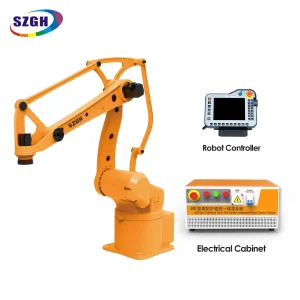
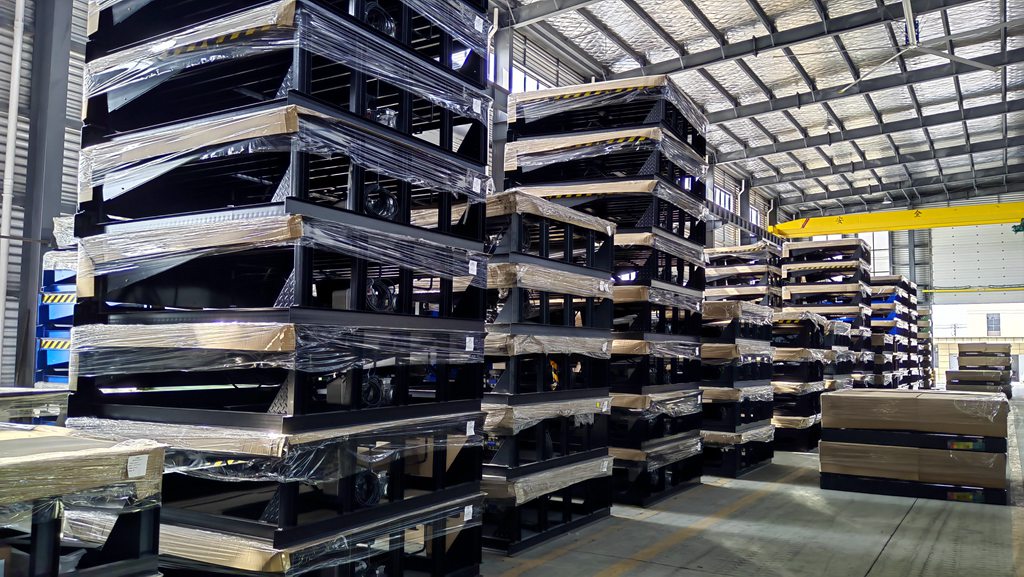
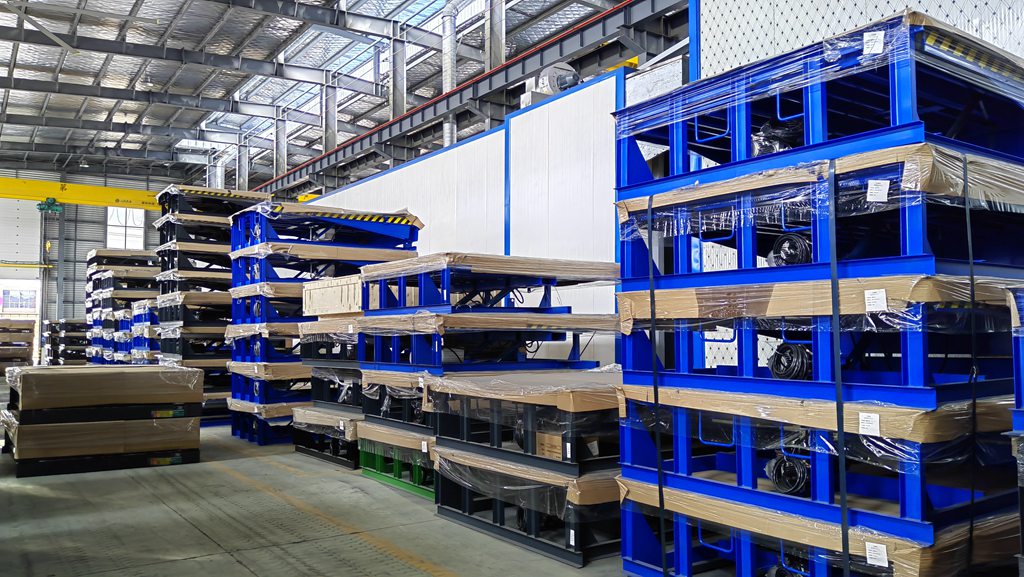
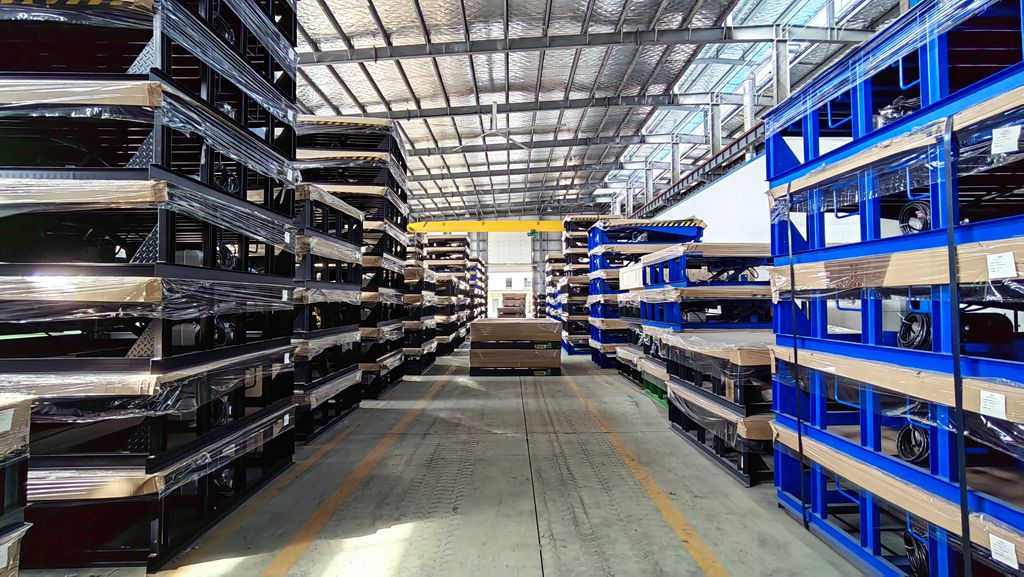
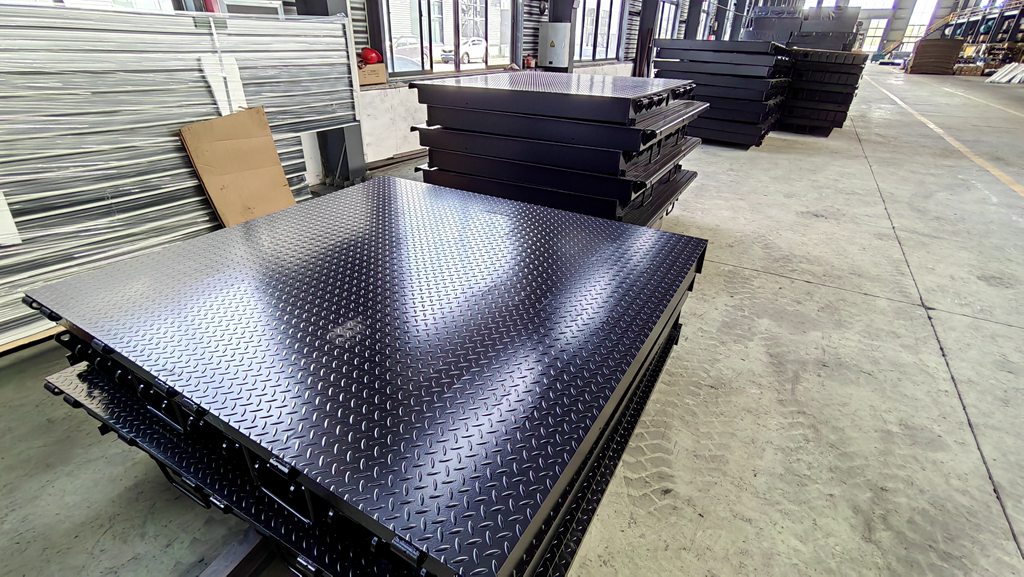
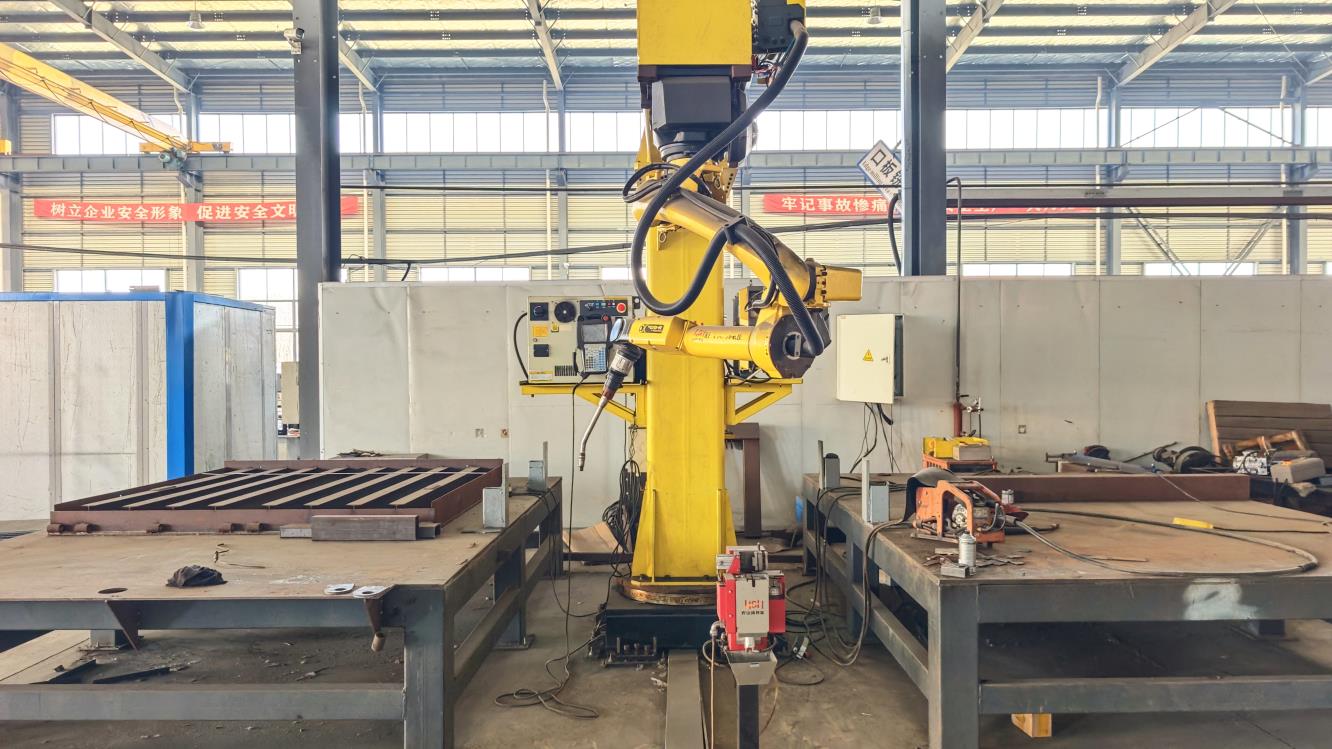
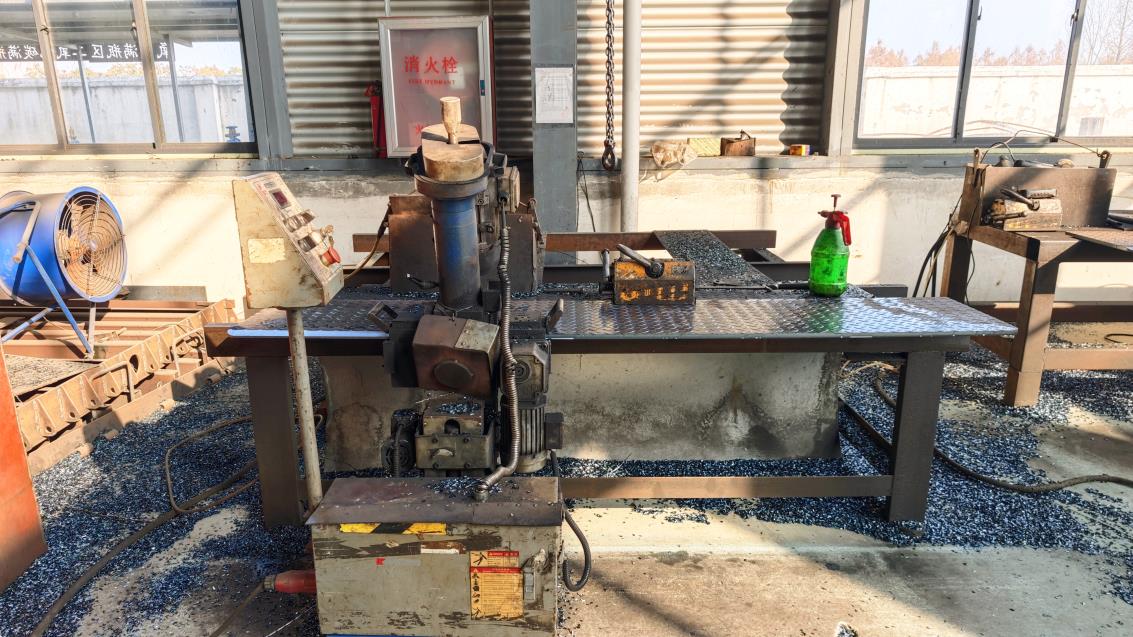
Leveraging advanced manufacturing regions, particularly in China's industrial hubs, has reshaped the cost structure of global logistics projects. Facilities equipped with high-precision automation, such as Japanese Fanuc brand advanced welding robots, can dramatically scale manufacturing throughput while eliminating human error in critical structural joins. An automated assembly pipeline allows for a daily capacity of nearly 100 logistics platforms. This throughput enables tight schedules, reducing peak season lead times to 1-3 months, and off-season production to under 30 days.
Furthermore, raw steel procurement cost-efficiency combined with strict quality control frameworks (under ISO/TS16949 and ISO10012) ensures that custom structures match the structural integrity demands of Western and APAC regional regulations, at a fraction of the capital investment.
Mezzanine installations are governed by strict localized building standards. Purchasing managers must verify that design calculations account for structural dynamics unique to their regional jurisdiction:
Additionally, compliance with workplace safety standards (such as OSHA 1910 in the US and HSE in the UK) requires proper guardrails, kickplates, and self-closing gates at loading access points.
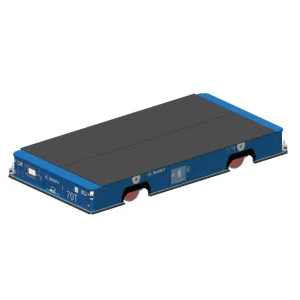
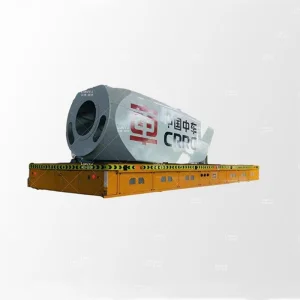
The rapid expansion of autonomous logistics changes the engineering demands placed on modern industrial platforms. Standard mezzanine designs must support the dynamic load parameters of heavy industrial AGVs, autonomous mobile robots (AMRs), and overhead conveyor lines. High-capacity platforms must carry systems of 70 to 240 tons while dampening vertical and horizontal vibrations that could destabilize robotic navigation systems.
Different industrial sectors require distinct mezzanine characteristics to optimize operational workflows:
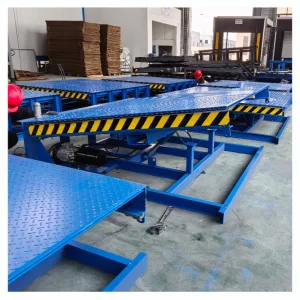
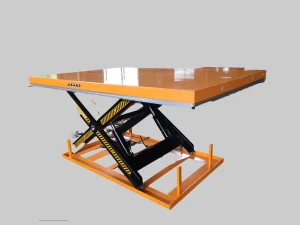
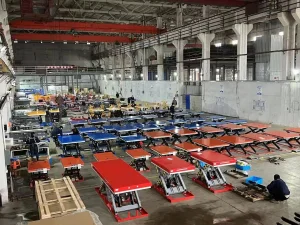
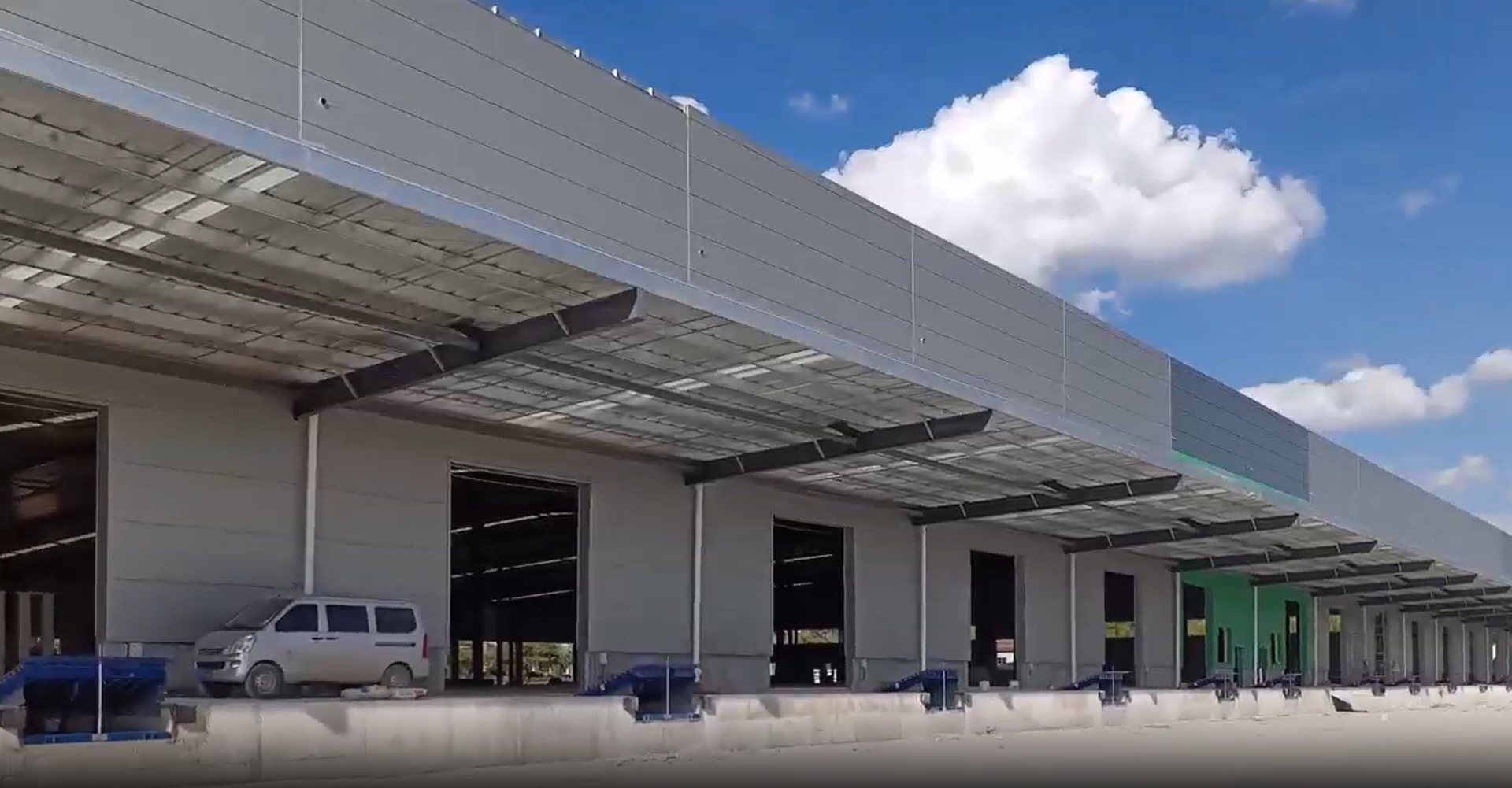
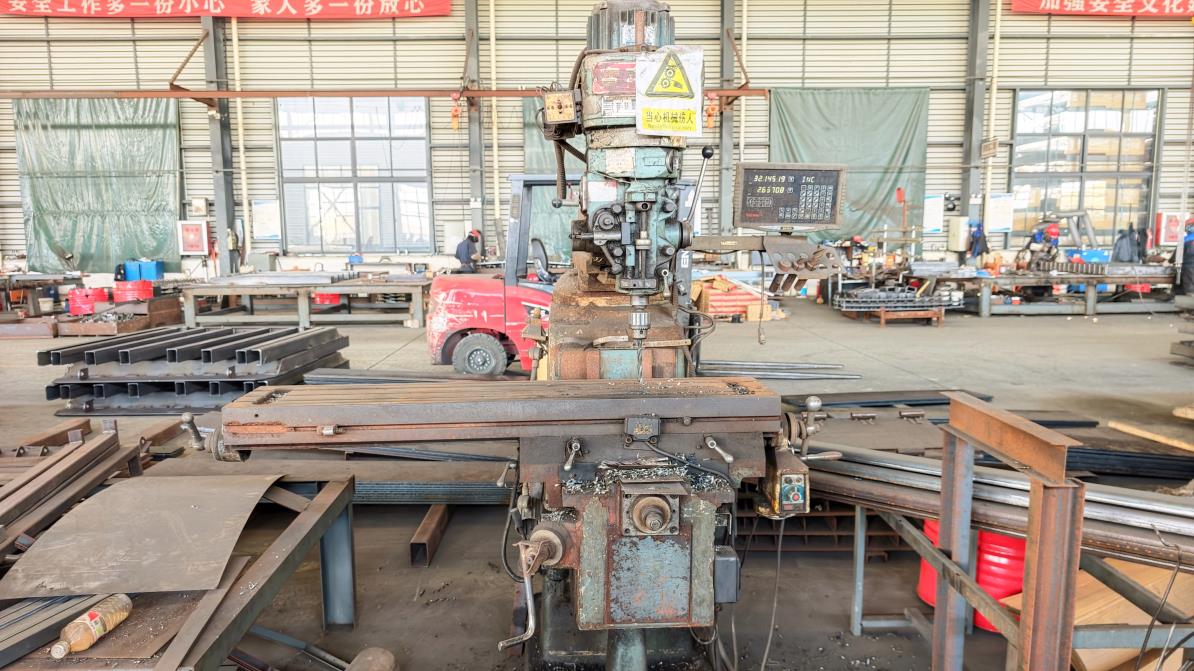
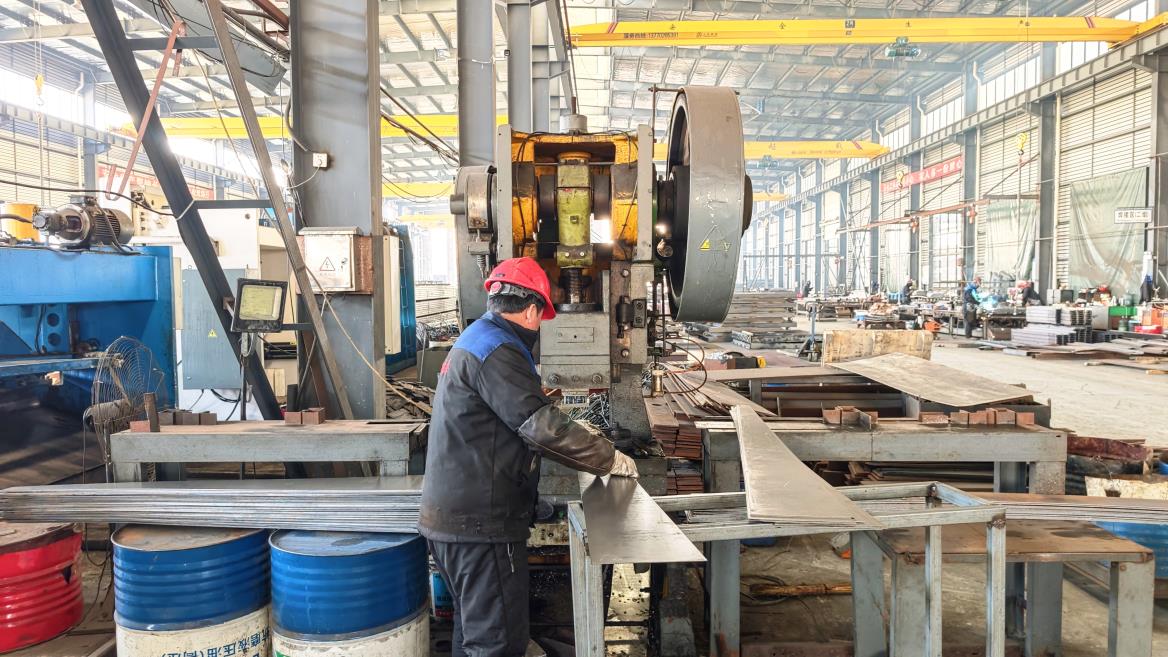
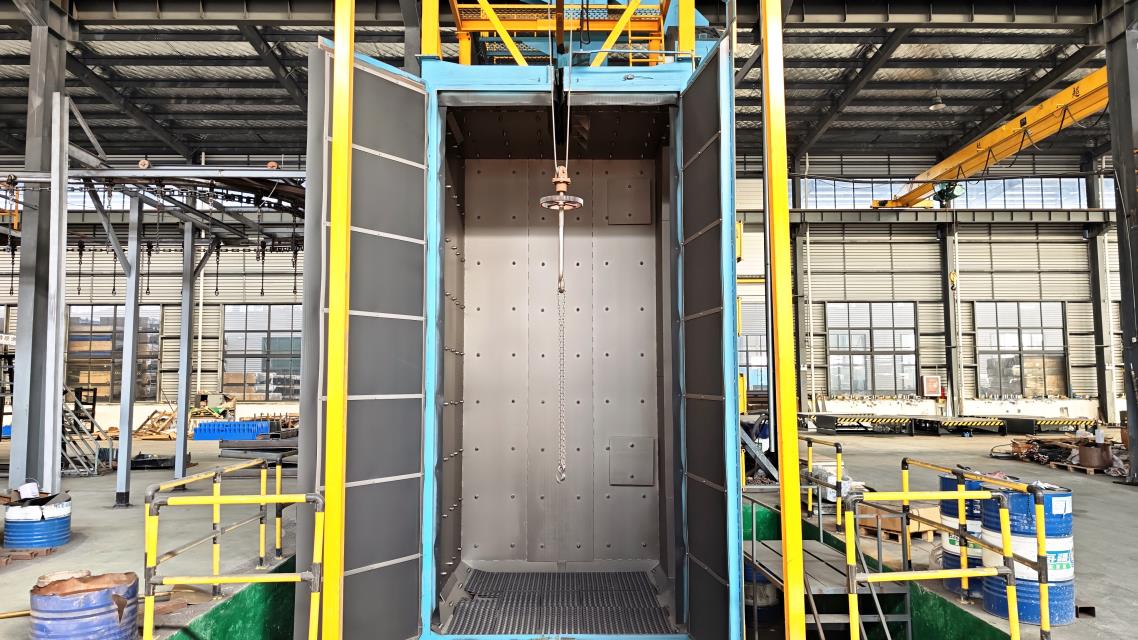
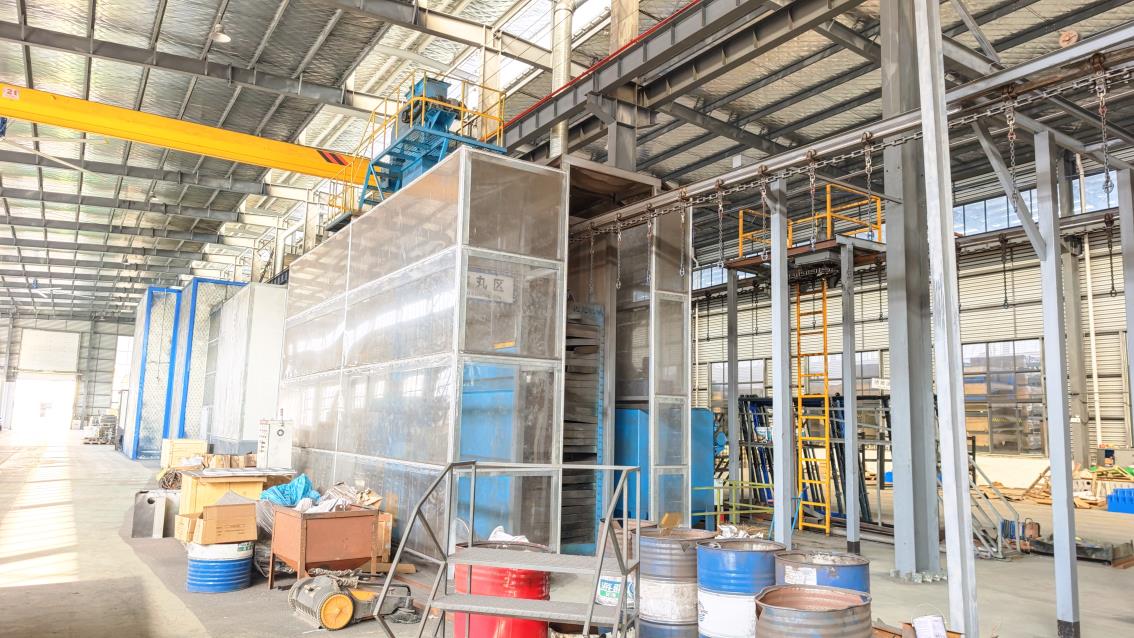
Ningbo Dunton Logistics Machinery Co., Ltd. is a leading manufacturer of intelligent logistics systems, structural material handling platforms, industrial doors, and loading bay solutions. Operating from a modern 7,000-square-meter facility, the company utilizes advanced manufacturing tools, including Fanuc welding robots. This high-capacity automation allows the delivery of up to 100 platforms daily, ensuring strict quality standards and prompt global fulfillment.
With a professional staff of 501 to 1000 employees and robust capitalization, Dunton Logistics serves clients in the logistics, e-commerce, automotive, heavy industry, and food processing sectors. The company holds certifications including ISO/TS16949, ISO10012, ISO13485, ISO14001, CCC, and RoHS, demonstrating a strong commitment to quality and safety.
Brand: Dunton Logistics
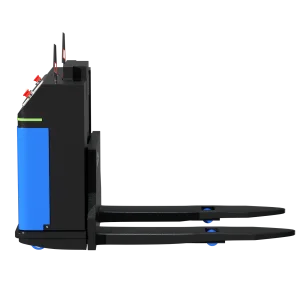
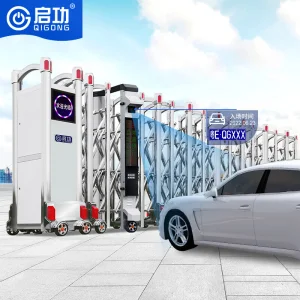
Product Range: Hoists, Racks, Industrial Gates, Lifting Platforms, Dock Levelers, Material Handling Systems
Peak Lead Time: 1-3 Months | Off-Season Lead Time: 1 Month
Incoterms: FOB, CFR, CIF, EXW, FCA, CPT, CIP

Key information regarding architectural engineering, permit requirements, and structural load calculations.
A: Load capacity calculations are divided into dead loads (the weight of the mezzanine structure itself) and live loads (people, inventory, equipment, shelving, and AGVs). A standard office space requires approximately 50 lbs/sq.ft (approx. 244 kg/sq.m), light storage requires 125 lbs/sq.ft (approx. 610 kg/sq.m), and heavy industrial setups require 250 lbs/sq.ft (approx. 1220 kg/sq.m) or more. For AGVs or forklifts, dynamic load calculations and wheel-load concentration factors must also be computed.
A: Yes. Mezzanine floors add usable floor area and require approval from local building departments. Applications must include sealed engineering drawings from a licensed structural engineer, demonstrating compliance with structural codes (e.g., IBC or Eurocode 3), fire protection standards (such as fire-rated decks and sprinkler system installation), and egress safety regulations (including stairways and emergency exits).
A: Structures built in active seismic zones (such as California, parts of Japan, or New Zealand) require heavy structural steel profiles, robust base plate anchoring, and seismic bracing. Structural engineers analyze local acceleration values to ensure the mezzanine can withstand seismic forces without collapsing or compromising the main building shell.
A: Roll-formed steel is shaped from light-gauge steel sheets, making it lightweight, modular, and cost-effective for light-to-medium loads. Structural steel uses heavy hot-rolled steel shapes (like I-beams and channel steel) to support larger columns, wider spans, and heavy loads, though it requires a larger initial capital investment.
A: High-volume manufacturers achieve short turnaround times through automated design software, standardized raw material stockpiles, and robotic production setups (like Fanuc welding lines) that run continuous shifts. These capabilities allow the factory to go from finalized CAD drawings to shipped structural steel kits within a few weeks.
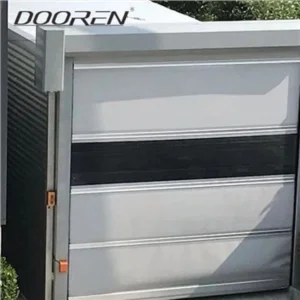
Industrial doors, dock seals, levelers, and automated sorting solutions designed for heavy traffic bays and high-efficiency shipping docks.