Q: Which type of navigation should you choose?
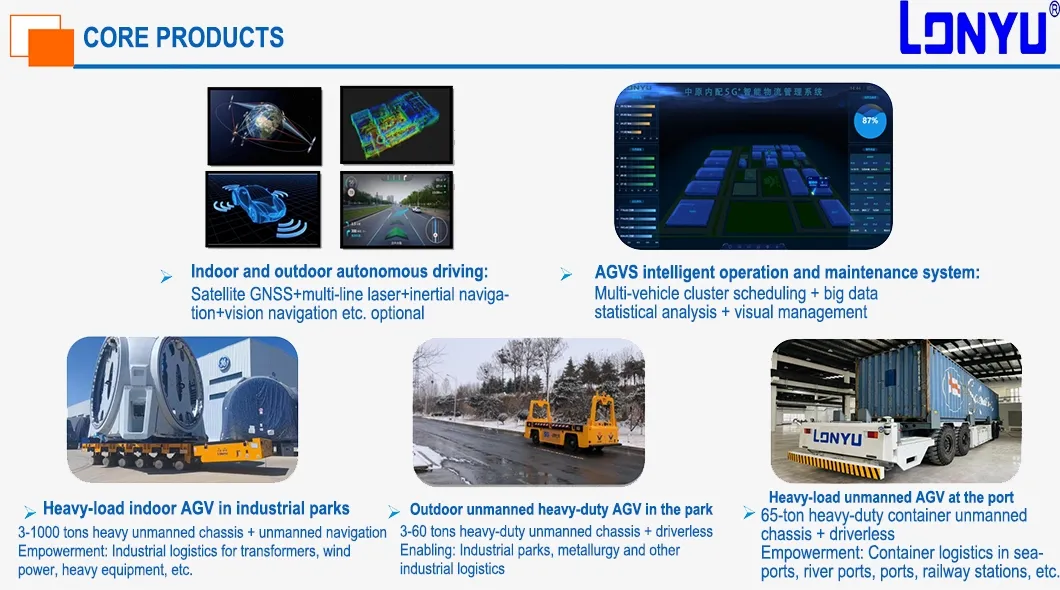
As we have seen, AGVs can move using different types of navigation technologies.
Laser guidance: Equipped with a rotating laser that detects reflectors. Very accurate (within 0.25cm), suitable for medical applications.
Wire guidance: Follows ground tracks (wires, rails, magnetic lines). Best for fixed paths without flexibility needs.
Vision guidance: Follows paths recognized by a camera. Lower installation costs.
Geographical navigation: Uses mapped representations for independent movement. Highly flexible and reliable solution.
Q: Would an AGV be a good solution?
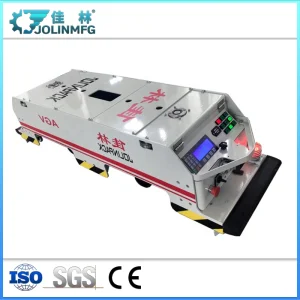
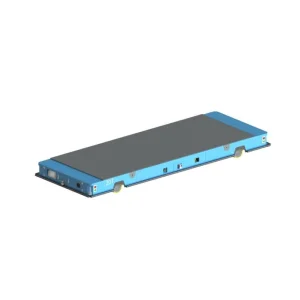
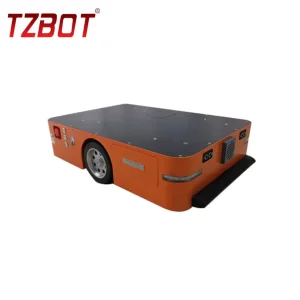
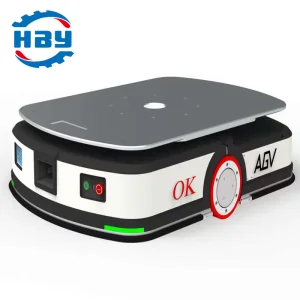
An AGV is an ideal movable platform for horizontal material handling. Choice depends on load weight and specific travel requirements of the application.
Q: What are the benefits of using heavy-duty AGVs?
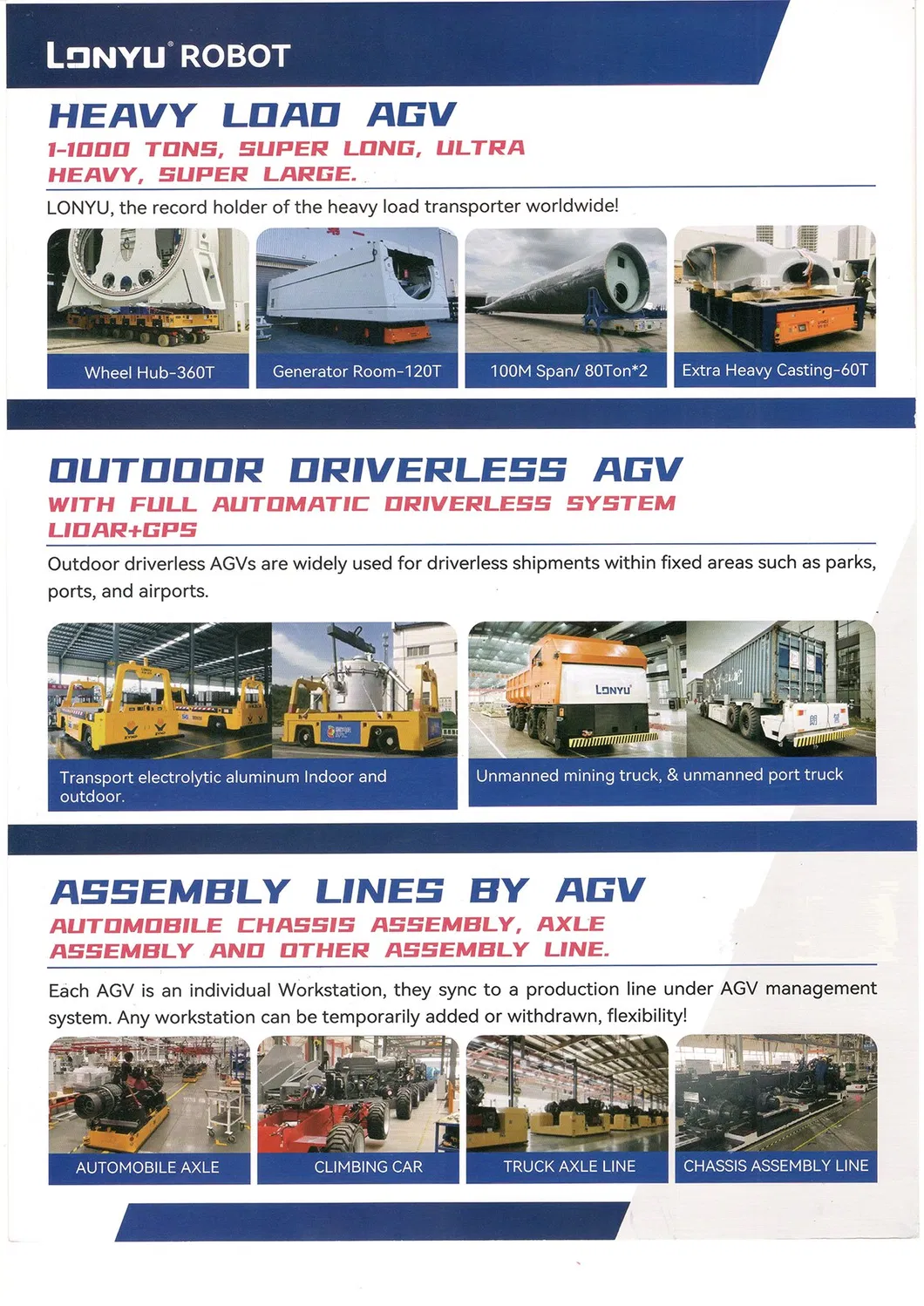
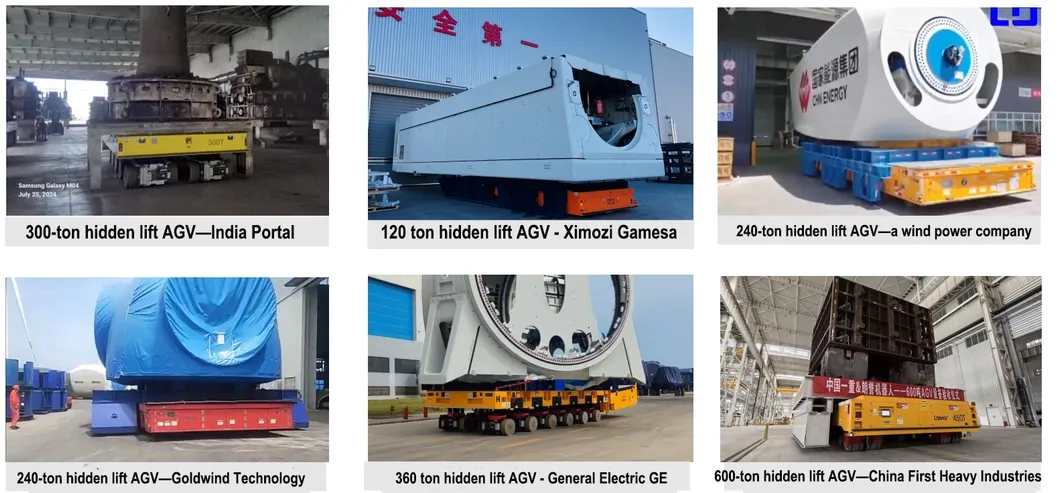
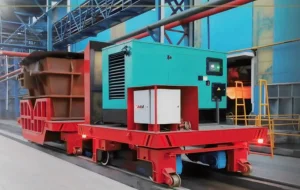
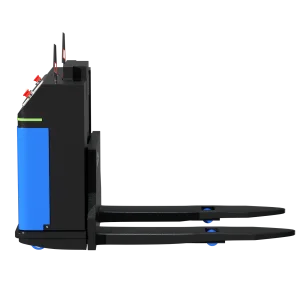
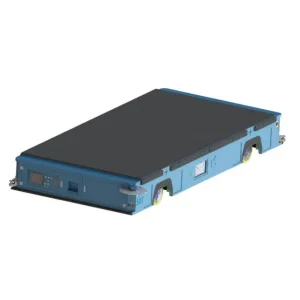
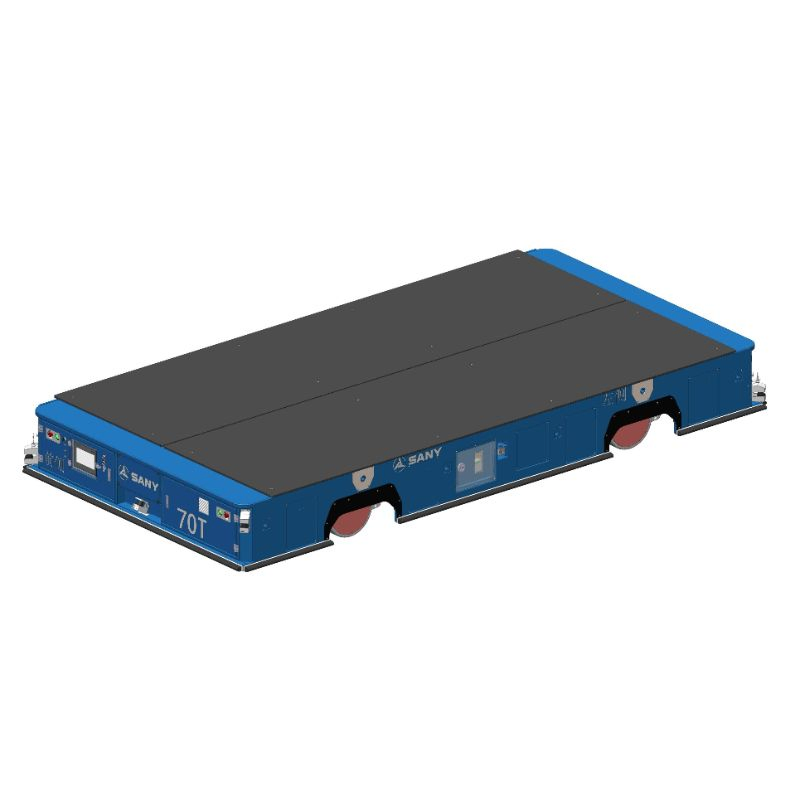
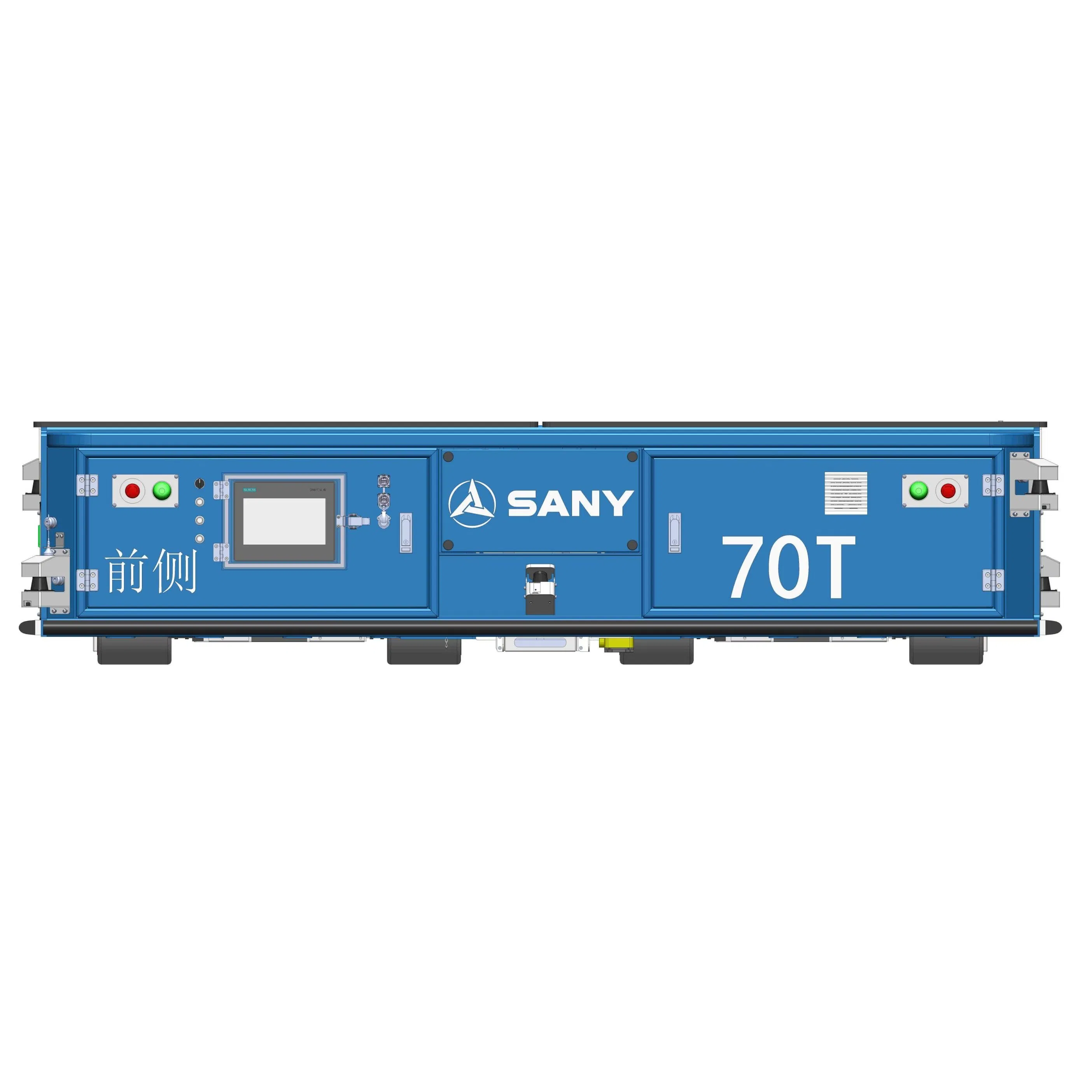
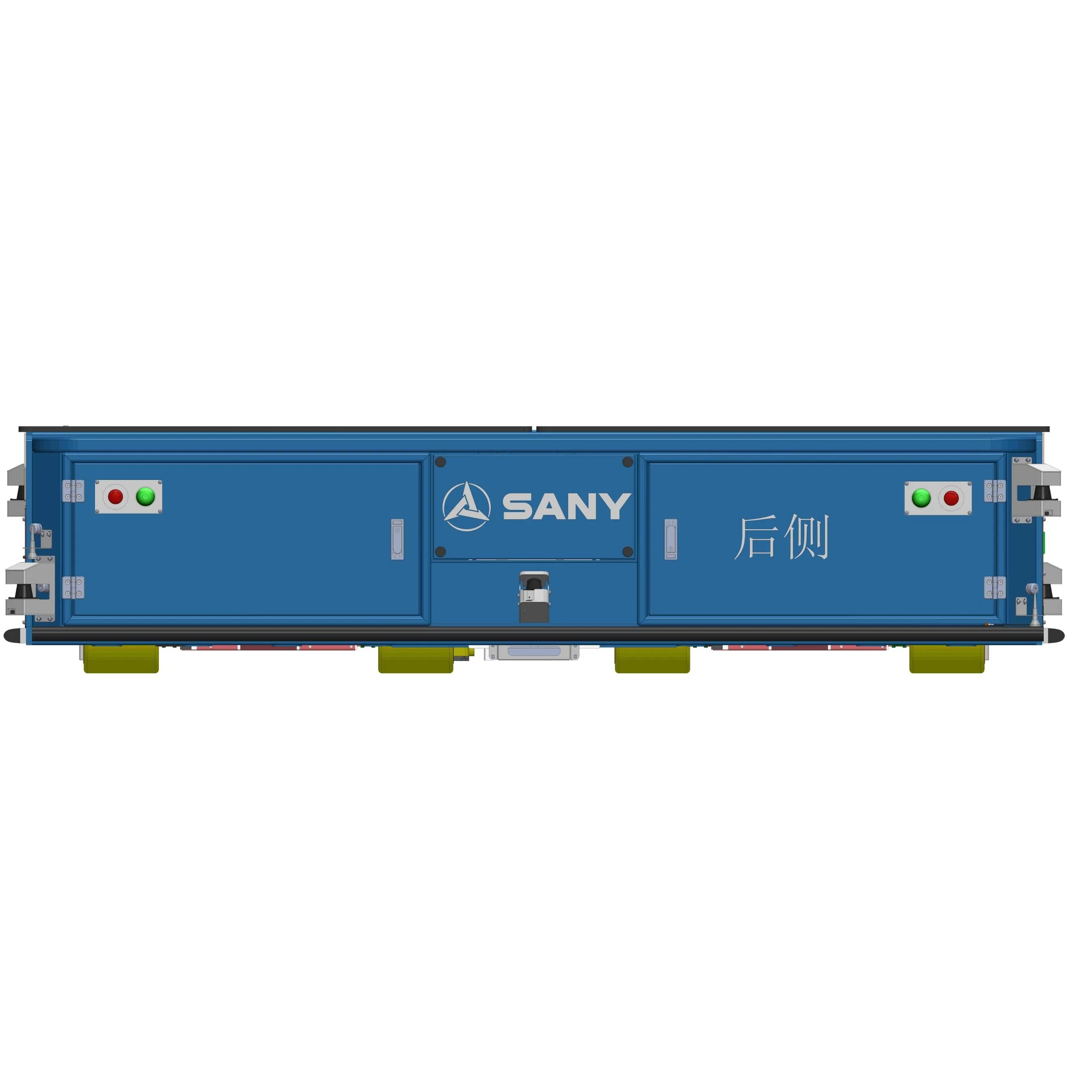
They are critical for logistics automation, especially for long loads in restricted spaces. Benefits include easy operation, high safety, automatic lifting, hydraulic independent suspension, automatic leveling, and all-round steering adaptable to uneven ground.
Q: What product handling applications use heavy-duty AGV transfer vehicles?
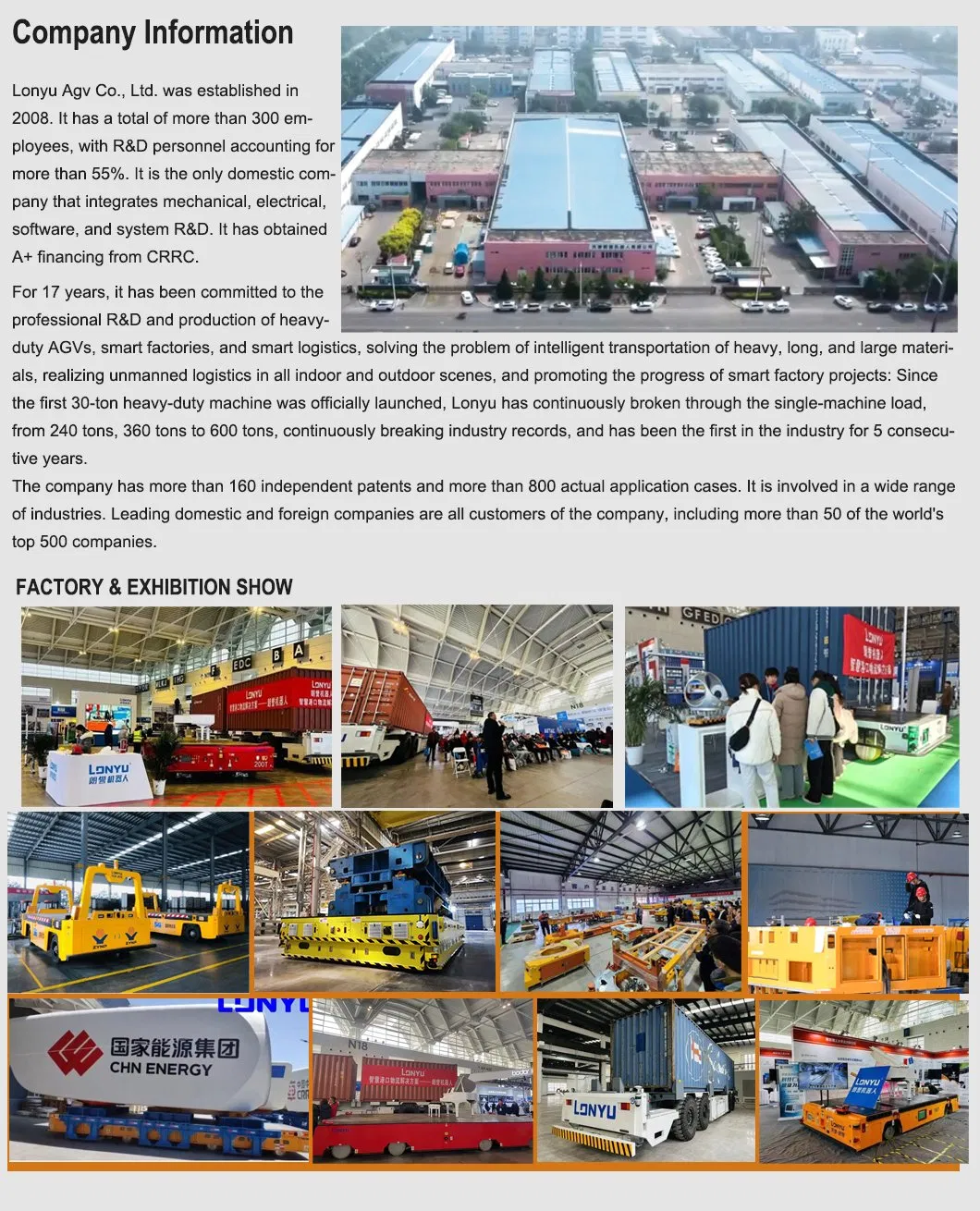
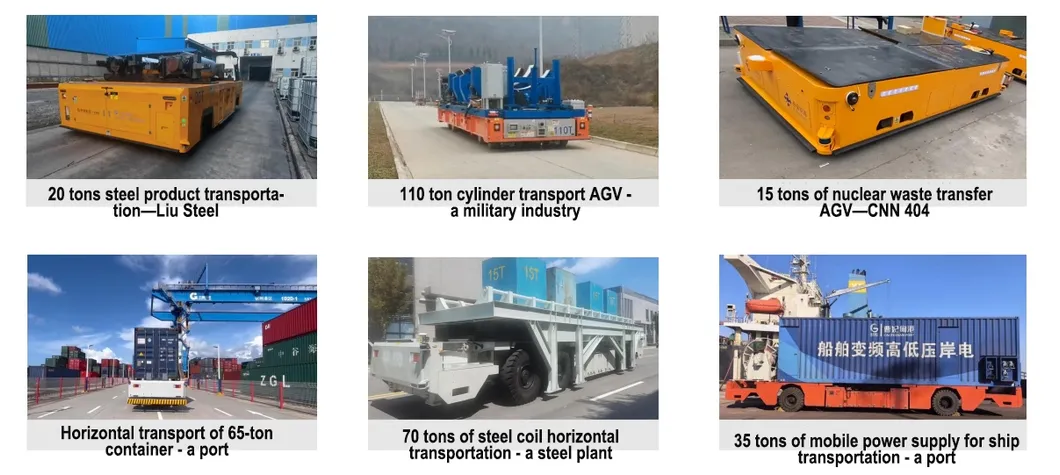
Mainly used in warehousing, manufacturing, ports, airports, and hazardous environments for automated handling of overweight or overlong materials, improving efficiency and reducing labor intensity.
 Dunton Logistics