In a market shaped by same-day expectations, rising costs, and fragile supply networks, logistics integration is no longer optional. Smart Logistics Integration Strategies connect warehouses, carriers, inventory systems, suppliers, and customer channels through shared data. The goal extends beyond installing software. It means creating a dependable flow from purchase order to final delivery. Each handoff should remain visible, measurable, and accountable. A practical strategy may combine cloud platforms, IoT sensors, route optimization, predictive analytics, and human oversight. Technology helps. People still decide.
This article explains what a smart logistics integration strategy includes and why it matters. It considers data quality, system compatibility, cybersecurity, workforce training, and performance measurement. Real operations remain messy. A delayed scan can distort an entire dashboard. A poorly configured alert may create unnecessary urgency. Reliable implementation therefore requires tested processes, documented responsibilities, and evidence from daily operations. Experienced logistics teams often begin with one warehouse, one transport lane, or one product category. They measure delivery accuracy, inventory visibility, order cycle time, and exception response before expanding. No model is perfect. A strategy should be reviewed when customer demand, supplier performance, or operating conditions change. The strongest approach balances automation with judgment, investment with measurable value, and ambitious technology with the realities of people, facilities, and transportation networks.
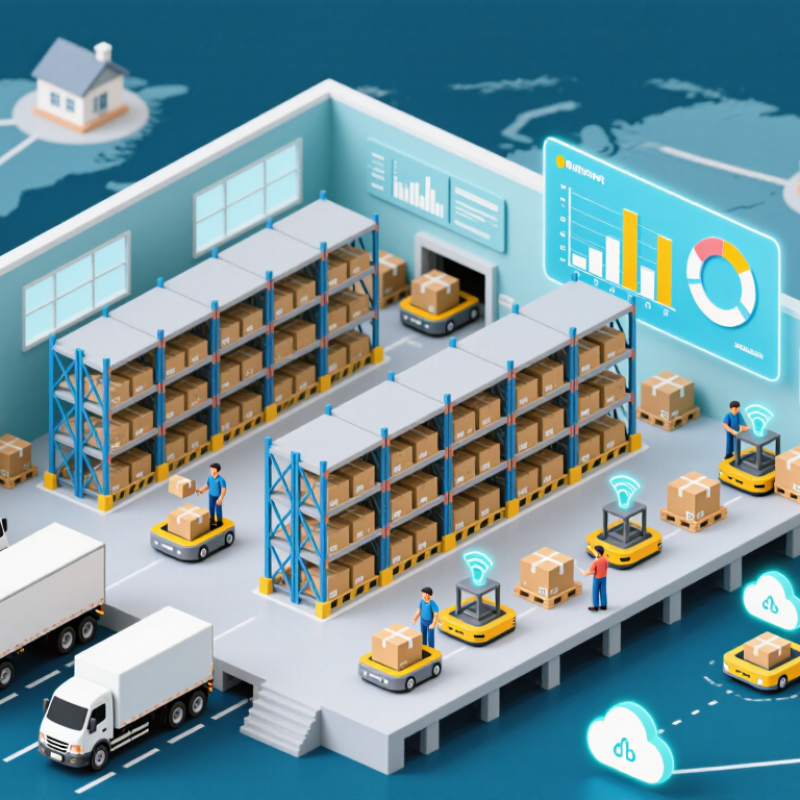
What Smart Logistics Integration Means: Linking Data, Assets, and Decisions
Smart logistics integration links data, physical assets, and decisions into one operating loop. A warehouse scanner records a pallet’s location. A vehicle telematics unit adds temperature, mileage, and arrival risk. Planning software then adjusts labor, routing, or inventory before a delay becomes expensive. This is not merely automation. It is shared operational context. The World Bank’s Logistics Performance Index 2023 shows wide gaps in tracking, timeliness, and infrastructure across economies. Those gaps make visibility a practical performance issue, not a fashionable dashboard project.
Reliable integration starts with common definitions. “Available inventory” should mean the same thing to procurement, warehouse, and transport teams. Event timestamps need consistent rules. Access rights need clear boundaries. In daily operations, exception alerts should reach the person who can act, not everyone.
The United Nations Conference on Trade and Development reported in its Review of Maritime Transport 2023 that shipping carried over 80% of global trade by volume. It also emitted about 858 million tonnes of carbon dioxide in 2022. Linking cargo status with route, energy, and capacity data can expose avoidable waiting. Small data errors still travel quickly.
Experience shows a less comfortable truth:
integration projects often fail quietly. Teams connect systems, yet decisions remain trapped in spreadsheets and informal messages. Start with one lane, one facility, and one measurable service promise. Test data quality weekly. Record overrides, because human judgment can reveal missing rules. Do not confuse more sensors with better control. Perfect visibility is unrealistic. Useful visibility is achievable.
Why Integration Matters: Urban Last-Mile Emissions May Rise 21% by 2030 (WEF)
What Is Smart Logistics Integration Strategy?
Smart logistics integration connects orders, inventory, vehicles, warehouses, and delivery data. It creates one operating view instead of isolated decisions. This matters because urban last-mile emissions may rise 21% by 2030, according to the World Economic Forum. More deliveries can mean more vans, longer idling, and crowded streets. Integration helps planners reduce unnecessary movement before adding new vehicles.
A practical strategy starts with accurate, shared data. Delivery addresses should be checked before dispatch. Inventory locations must update quickly. Route planning should consider traffic, vehicle capacity, curb access, and delivery windows. A half-empty van still consumes energy. A failed delivery creates another trip. Small errors become expensive at city scale. Field reviews often reveal that software is not the hardest part. Teams may still use delayed scans, inconsistent address formats, or manual exceptions. Perfect coordination is unrealistic. Regular measurement remains essential.
Tips: Begin with one delivery zone. Track emissions, failed stops, loading time, and vehicle utilization. Compare planned routes with actual routes each week. Set clear data ownership between warehouses, drivers, and customer service teams. Test shared pickup points where suitable. Do not assume fewer kilometers always means lower emissions; traffic, vehicle type, and waiting time also matter. Keep reviewing the model. Conditions change.
Core Architecture: IoT, AI, Cloud, APIs, and Digital-Twin Interoperability
What Is Smart Logistics Integration Strategy?
Core Architecture: IoT, AI, Cloud, APIs, and Digital-Twin Interoperability
A smart logistics integration strategy connects physical movement with trusted digital decisions. In practice, IoT sensors record location, temperature, vibration, and loading conditions during transport. These signals enter a cloud platform through secure gateways. Data needs consistent formats and timestamps. Otherwise, accurate devices can still produce confusing results.
AI models can detect delivery delays, equipment faults, and unusual route patterns. However, predictions depend on clean data and realistic operational rules. A warehouse manager should see why an alert appears, not only receive a risk score. Human review remains important when weather, traffic, or damaged packaging changes the situation. Automation is useful, but it is not always correct.
APIs link warehouse systems, transport platforms, inventory records, and customer portals without forcing one system to control everything. A digital twin then represents assets, orders, facilities, and capacity in a shared operational model. Interoperability matters because each system may describe the same shipment differently. Standards, access controls, encryption, and audit logs support reliable exchange. In my experience, integration projects often underestimate naming rules and ownership. That weakness becomes expensive later. A phased rollout, measurable service levels, and regular data-quality checks create stronger foundations, even when early results look modest.
Smart Logistics Integration Strategy: Technology Adoption Outlook
Smart logistics architecture combines connected devices, cloud platforms, artificial intelligence, automation, and interoperable APIs. The chart compares the share of logistics organizations reporting current use with expected use within two years.
Data: Industry technology-adoption survey results reported in the 2024 logistics and supply-chain sector outlook. Percentages represent respondent organizations and are rounded.
Implementation Path: Assess, Standardize, Pilot, Scale, and Govern
Smart logistics integration connects orders, inventory, transport, warehouses, and customer updates through shared processes and data. A practical strategy begins with an honest assessment. Map each handoff from purchase order to delivery confirmation. Record delays, duplicate entries, missing scans, and manual spreadsheet edits. Interview dispatchers, warehouse supervisors, planners, and finance staff. Their daily work often reveals problems dashboards hide. Do not assume every data gap needs new software. Sometimes the process is the real obstacle.
Standardize core definitions, status codes, exception rules, and ownership before connecting systems. A shipment marked “ready” must mean the same thing everywhere. Then pilot one route, facility, or product category with measurable targets. Track order accuracy, dock-to-dispatch time, inventory variance, and failed delivery attempts. Review results weekly with the people operating the process. A pilot may expose weak training or unrealistic targets. That is useful evidence, not failure. Scale in controlled waves, protecting service quality and data accuracy. Use rollback plans when integrations behave unexpectedly.
Tips: Assign a data owner for every critical field. Limit access by job responsibility, and keep clear audit records. Review integration changes before deployment. Test unusual cases, such as partial shipments, damaged cartons, and delayed scans. Maintain a manual fallback for essential operations. Governance should include security checks, incident response, and regular performance reviews. Experienced teams often learn this slowly: perfect standardization is unlikely. Clear ownership and fast correction matter more.
Performance Metrics: Target 10–20% Logistics Cost Reduction (McKinsey)
Smart logistics integration connects transport, warehousing, inventory, and order data through one operating view. Its financial target should be measurable: a 10–20% reduction in logistics costs. This range appears in widely cited supply-chain transformation research, including McKinsey’s logistics analyses. The target is realistic only when companies measure a clear baseline first. Track cost per order, delivery accuracy, vehicle utilization, warehouse labor, and failed delivery rates.
Use a pilot lane rather than changing every operation at once. For example, connect warehouse scans with carrier updates across three regional routes. A dashboard can reveal late loading, empty truck space, and repeated manual entries. The 2023 Logistics Performance Index links stronger tracking, reliable customs processes, and dependable delivery with better supply-chain performance. Operational teams should review these indicators weekly, not only at the end of a quarter. Small gaps matter.
The calculation must remain honest. A lower freight invoice may hide higher inventory or return costs. Include labor, fuel, storage, technology, and service penalties in the baseline. Set targets such as 12% lower cost per shipment, 95% on-time delivery, and 85% vehicle utilization within six months. These figures require local testing. Weather, rural routes, and inaccurate master data can weaken results. Integration is not automatically intelligent. Teams still need judgment, clean data, and permission to question the dashboard.
FAQS
It connects orders, inventory, vehicles, warehouses, and delivery updates through shared data. One operating view replaces isolated decisions. Perfect coordination is unlikely.
Urban last-mile emissions may rise 21% by 2030. More deliveries can create extra trips, idling vans, and crowded streets. Integration helps prevent unnecessary movement.
Teams should share addresses, inventory locations, traffic conditions, vehicle capacity, curb access, and delivery windows. Delayed scans can distort planning. Small errors grow quickly.
Start with one delivery zone or facility. Track emissions, failed stops, loading time, and vehicle use. Keep the test small.
Measure order accuracy, dock-to-dispatch time, inventory differences, and failed delivery attempts. Compare planned routes with actual routes weekly. Targets may be unrealistic.
No. Traffic, vehicle type, waiting time, and loading conditions also matter. A shorter route can still involve long idling. Review real outcomes.
Test partial shipments, damaged cartons, delayed scans, and address corrections. Define clear exception rules. Keep a manual fallback for essential work.
Assign one owner for every critical field. Warehouse, driver, and customer service responsibilities should remain clear. Ownership prevents silent errors.
Scale through controlled waves after the pilot shows stable service and accurate data. Use rollback plans when connections fail. Move slowly when needed.
Limit access by job responsibility and keep audit records. Review changes before deployment, check security, and practice incident response. Improvement is never finished.
Conclusion
Smart Logistics Integration Strategies connect data, physical assets, and operational decisions into one coordinated system. By linking vehicles, warehouses, inventories, delivery networks, and customer demand, organizations can improve visibility, respond faster to disruptions, and reduce unnecessary movement. This integration is increasingly important as urban last-mile emissions are projected to rise by 21% by 2030, creating pressure to make logistics more efficient and sustainable.
A strong integration model combines IoT devices, artificial intelligence, cloud platforms, APIs, and interoperable digital twins. Organizations should begin by assessing current processes, standardizing data and workflows, and testing solutions through focused pilot programs before scaling them across the network. Effective governance, cybersecurity, clear ownership, and continuous performance reviews are essential for long-term results. Key measures may include delivery reliability, asset utilization, emissions, inventory accuracy, and total logistics cost, with a practical goal of achieving a 10–20% reduction in logistics expenses.
 Dunton Logistics
