Dunton Logistics
Warehouse layout is crucial for optimizing space and workflow. As expert Mark Evans, a consultant in logistics and warehouse management, states, “A well-planned warehouse layout can significantly enhance operational efficiency.” This highlights the importance of effective Warehouse Layout Design Ideas for any business.
Businesses often struggle with space management. Inefficient layouts lead to bottlenecks and wasted time. With the right design, companies can streamline their processes. Consider incorporating flexible shelving or modular workstations. These elements can adapt as needs change over time.
Investing time in thoughtful layout planning matters. It isn't just about aesthetics; it's about functionality. Many businesses overlook this. They may find themselves reworking layouts repeatedly. Reflecting on current designs can lead to improvements. Ultimately, the right Warehouse Layout Design Ideas can transform operations and drive success.
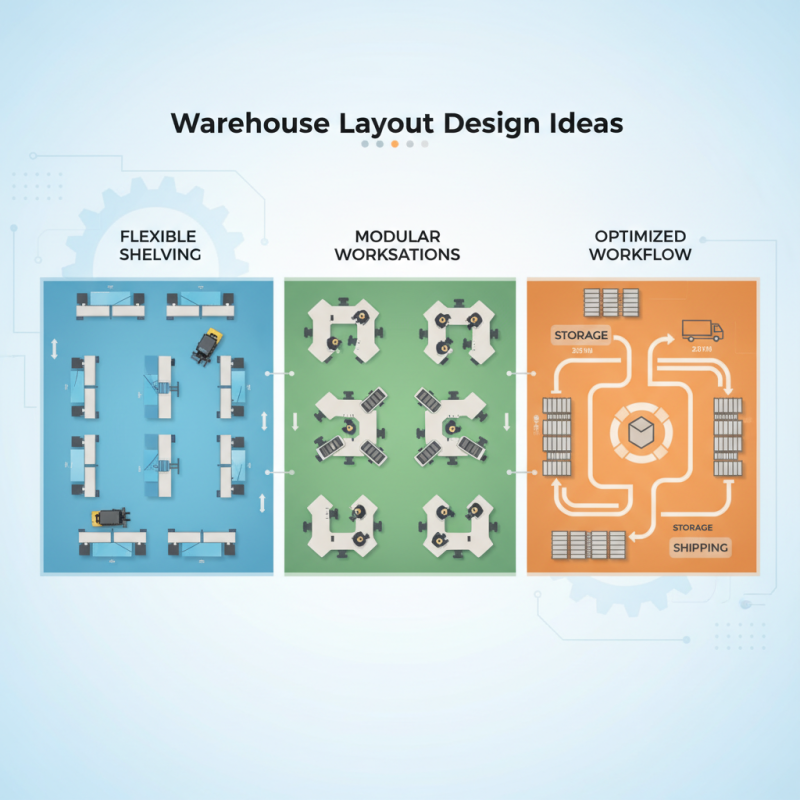
Warehouse layout is vital for effective operations. An organized space enhances productivity and safety. Understanding basic principles ensures the design meets your business needs.
A well-planned layout considers flow. It should facilitate movement. Design spaces for receiving, storage, and shipping. Avoid clutter. Ensure pathways are clear. Open areas help employees navigate quickly.
Flexibility is key. As your business changes, so should your warehouse. Consider future needs during the design phase. Make adjustments easy to implement. Reflection on current operations can lead to improvements. Regular assessments reveal areas for enhancement.
Assessing your business needs is crucial for creating an effective warehouse layout. Start by evaluating the volume of goods you handle. Understanding your inventory will determine shelving options and space allocation. Consider the types of products you store. Fragile items may need special bins. Bulk items require different handling.
Workflow analysis is another vital step. Observe the movement of staff and equipment. Identify bottlenecks in the current process. This can highlight areas needing redesign. Are there long travel times? Perhaps a different layout would streamline operations. Monitor how often items are accessed. High-traffic goods should be easily reachable.
Finally, remember that flexibility is key. Business needs change over time. What works today may not work tomorrow. Regular assessments can save you from larger headaches later. Embrace the need to adapt, and be ready to rethink your strategies. This will ensure your warehouse layout grows alongside your business.
Warehouse layout is crucial for efficiency. Different types of layouts can optimize storage and streamline operations. Understanding these options is essential for any business.
The traditional layout is straightforward. It organizes storage areas in aisles. This design allows easy access to items. However, it can lead to congestion during busy times. A flow-based design addresses this. It creates a path for items to move through the warehouse seamlessly. This reduces bottlenecks and improves productivity.
Another effective design is the cross-docking layout. This model minimizes storage time. Products are received and then immediately shipped out. This reduces handling and speeds up delivery. Still, it's not suitable for all warehouses. It requires precise coordination and timing. Each layout type has pros and cons. It's essential to evaluate your specific needs before deciding.
Integrating technology into warehouse design is essential for modern businesses. Smart systems now enhance efficiency and promote a seamless workflow. Automation tools, like robotic pickers, streamline inventory management, reducing human error. RFID technology allows real-time tracking of products, ensuring accuracy and improving customer satisfaction.
Incorporating these technologies requires a careful approach. Over-reliance on automation can lead to challenges. Employees must adapt to new systems and workflows. Training is vital to ensure everyone is on board. Additionally, integrating advanced tech can be costly, posing risks for small businesses. Balancing investment and return is crucial.
Creating an optimized warehouse is not just about tech. It also involves rethinking space utilization. Thoughtful layout design can maximize storage while allowing easy access to products. Regular assessments of processes and technology ensure the warehouse evolves with business needs. A dynamic approach can lead to significant improvements over time.
Creating a well-organized warehouse layout is essential for efficiency. Begin by analyzing your workflow. Understand how goods move in and out. Map out the flow of materials, from receiving to shipping. Visualizing this journey helps identify bottlenecks. A clear layout can minimize delays and reduce labor costs.
Implementing a functional design requires careful planning. Use vertical space effectively. Shelving and storage systems should be tailored to your inventory. Open spaces allow for quick movement and less congestion. Regularly review and update your layout. As your business evolves, so should your warehouse structure. Mistakes will occur, but they offer learning opportunities.
Communication among team members is crucial. Gather feedback on the layout's functionality. Are there recurring obstacles? Address these issues promptly. Informed decisions can enhance productivity. Remember that even minor adjustments can lead to significant improvements. Reflect on these changes regularly to ensure continuous efficiency.
| Layout Type | Key Features | Benefits | Best For |
|---|---|---|---|
| U-Shaped Layout | Efficient flow; minimized travel distance. | Improved product handling. | Small to medium businesses. |
| L-Shaped Layout | Flexible space; allows for different zones. | Increased storage capacity. | Businesses needing versatile layouts. |
| Straight-Line Layout | Simple design; direct routes. | Reduced picking time. | High-volume operations. |
| Grid Layout | Defined aisles; structured organization. | Enhanced visibility of inventory. | Large warehouses. |
| Circular Layout | Centralized pathways; easy access. | Improves interaction among handlers. | Unique storage needs. |
: A well-planned warehouse layout boosts productivity and safety. It helps in organizing space effectively.
Consider the flow of materials. Design areas for receiving, storage, and shipping. Keep pathways clear.
Warehouse design should adapt to business changes. Plan for future needs to allow easy adjustments.
Analyze the workflow. Understand how products move in and out to map the flow of materials.
Use shelving and tailored storage systems. This maximizes space and allows quick movement.
Regular assessments are crucial. Reviewing layout can reveal areas needing improvement regularly.
Team communication helps identify layout obstacles. Regular feedback can lead to better productivity.
Reflect on the mistakes made. They can provide insights for future improvements and adjustments.
Yes, even small adjustments can lead to significant improvements in efficiency and workflow.
In exploring the critical aspects of effective **Warehouse Layout Design Ideas**, businesses must first understand the fundamental principles guiding warehouse layout and design. It is essential to assess specific business needs to tailor a layout that enhances efficiency and productivity. Various common warehouse layout types, such as grid, free-flow, and modular designs, offer different benefits and can be strategically chosen based on operational requirements.
Integrating technology further optimizes warehouse design, enabling better inventory management and streamlined processes. Implementing best practices, such as efficient space utilization and clear workflow organization, ensures that the layout remains functional and adaptable. By considering these key elements, businesses can develop a warehouse structure that significantly improves their operational performance and meets their unique logistical challenges.
