Dunton Logistics
In today's fast-paced logistics environment, understanding "How To Reduce Warehouse Downtime" is critical for operational success. Industry expert Johnathon Reid, a warehouse operations consultant, emphasizes, "Minimizing downtime is not just a goal; it's a necessity for maintaining competitive advantage." His insight highlights the urgency behind this topic.
Warehouse downtime can stem from various issues, such as equipment failure or inefficient processes. Addressing these challenges requires a strategic plan. Many warehouse managers feel overwhelmed by the complexities involved. They often struggle with identifying the root causes of disruptions. This makes it essential to implement systematic monitoring and maintenance practices.
Effective downtime reduction does not happen overnight. There are many potential pitfalls that leaders face in this journey. By acknowledging these challenges, companies can create more resilient operations. Engaging experienced teams to evaluate and optimize processes can lead to significant improvements. Through experience and expertise, organizations can pave the way to reduced downtime and enhanced efficiency.
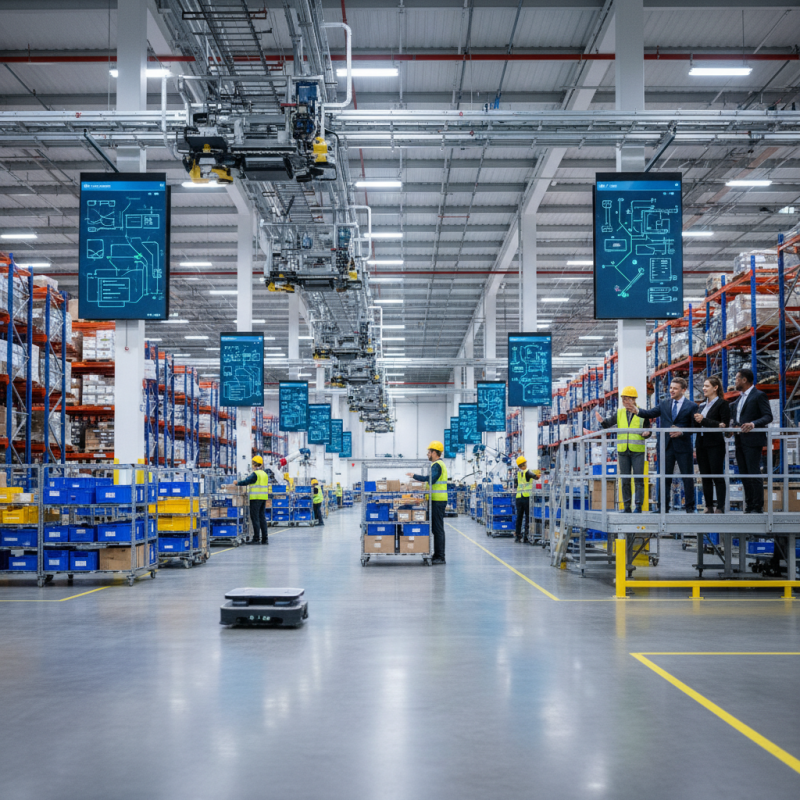
Analyzing current downtime causes in warehouses is crucial for improving efficiency. Start by tracking the specific reasons for delays. Consider delays in receiving goods or issues during order processing. Each cause can have a significant impact on overall operations.
**Tips:** Gather data from staff on downtime experiences. They often see issues you might miss. Focus on collecting and analyzing this information regularly.
Next, assess the physical layout of the warehouse. Are the pathways and storage areas optimized for quick access? Inefficient layouts can lead to wasted time. Redesigning these spaces can yield better productivity.
**Tips:** Conduct walk-throughs with your team. They can offer practical suggestions for improvement. Small changes can lead to big gains.
Regularly review equipment performance as well. Malfunctioning equipment is a common source of downtime. Ensure that routine maintenance is prioritized to prevent unexpected failures.
**Tips:** Keep a maintenance log that details every repair. This can help identify patterns in equipment issues. Understanding these trends allows for more effective fixes.
In the dynamic world of warehousing, minimizing downtime is crucial for maintaining operational efficiency. Implementing automation tools can significantly reduce delays. According to a report by Logistics Management, companies that utilize automation have witnessed a 30% increase in order fulfillment speed. Employing technologies like automated guided vehicles (AGVs) can streamline the picking process, resulting in fewer errors and faster movement of goods.
However, not all automated solutions fit every warehouse environment. Some facilities may struggle with integrating new technologies into existing systems. A study by McKinsey highlights that 70% of digital transformations fail due to resistance to change. This insight invites a deeper reflection on training staff to adapt to automated processes. It also raises questions about the need for gradual implementation rather than abrupt changes.
While automation tools promise efficiency, they also require careful planning. Investing in technology can lead to unexpected costs, such as maintenance or software updates. For instance, delays in technology deployment can further impact productivity. Therefore, it’s essential for warehouse operators to strike a balance between technology adoption and operational readiness.
This chart illustrates the average downtime hours for various causes in a warehouse setting before and after implementing automation tools. The goal is to showcase how technology can streamline operations and reduce delays.
Employee training plays a vital role in reducing warehouse downtime. Effective training equips workers with the necessary skills to handle tasks efficiently. Start with a program that focuses on critical operations. Use hands-on approaches. This reinforces learning and engagement. When employees feel confident, they make fewer mistakes. Fewer errors lead to less downtime.
Regular refresher courses are essential. They help employees stay updated on new technologies and procedures. Providing feedback encourages improvement. It can create a culture of accountability. However, not all training programs work for everyone. Some may need more guidance or practice to grasp concepts fully. Monitoring progress is key. Identifying gaps helps in refining the training process.
Encouraging teamwork through training fosters collaboration. When employees collaborate, they often come up with innovative solutions. Engaging them in discussions can spark new ideas. Reflection on training outcomes can provide insights into areas needing improvement. Continuous evolution in training methods will ensure long-term efficiency.
In modern warehousing, efficiency is paramount. Lean principles provide a framework to streamline processes effectively. These methods focus on eliminating waste, enhancing productivity, and ensuring a smoother workflow. One key aspect is valuing employee input. Team members often identify bottlenecks firsthand. Their insights can lead to tangible improvements.
Another important strategy is visual management. By employing clear signage and layout designs, you can reduce search times. Workers shouldn’t waste time looking for tools or inventory. An organized space boosts morale and promotes speed. Regular training on lean methodologies also helps staff adapt.
However, the implementation of lean practices is not without challenges. Resistance to change is common. Some employees may prefer established routines. It’s crucial to foster an open environment for discussing obstacles. Continuous reflection on processes is needed. This will ensure that everyone remains aligned with the goals of efficiency and productivity.
| Warehouse Process | Average Downtime (hrs/week) | Lean Principles Applied | Efficiency Improvement (%) |
|---|---|---|---|
| Receiving | 4 | Standardized Work | 20 |
| Picking | 6 | 5S System | 25 |
| Packing | 3 | Visual Management | 15 |
| Shipping | 5 | Value Stream Mapping | 30 |
| Inventory Management | 4 | Kaizen Events | 18 |
Measuring performance metrics is crucial for effective downtime reduction in warehouses. Key Performance Indicators (KPIs) help monitor efficiency. Time spent on tasks directly impacts operations. Identifying bottlenecks is essential. For instance, tracking the time it takes for order picking or packing can reveal hidden delays. A simple stopwatch can become a powerful tool in this process.
Focus on specific metrics. Measure the frequency of equipment failures. Downtime due to machinery can cripple productivity. Recording these events helps pinpoint recurring issues. Assess the impact of training on staff efficiency. Sometimes, a well-planned training session can drastically reduce downtime. On the other hand, lack of knowledge might lead to mistakes and delays.
Feedback from employees also plays a role. Regular discussions can surface problems in real time. They often see the tiny issues that management overlooks. Create a culture of open communication. This can lead to a more responsive approach to challenges. Tracking downtime reduction progress requires reliable data and active engagement from everyone involved.
: Understanding downtime causes improves efficiency and overall operations. Addressing issues reduces delays and boosts productivity.
Staff members provide valuable insights on everyday challenges. Their experiences can highlight problems that management may overlook.
An inefficient layout can waste time during operations. Optimizing pathways and storage areas leads to quicker access and better productivity.
Regular performance reviews are essential. Frequent checks can prevent unexpected failures and minimize downtime.
Maintain a detailed maintenance log. This helps identify patterns in failures and allows for more effective troubleshooting.
Lean principles focus on eliminating waste and improving workflows. Valuing employee input can reveal bottlenecks quickly.
Employees may resist changing established routines. It’s important to create an open environment for discussing these challenges.
KPIs measure efficiency and help identify bottlenecks. Tracking specific metrics offers insights into recurring issues and improvement areas.
Effective training reduces downtime significantly. However, insufficient training may lead to mistakes that cause delays.
Employee feedback reveals real-time problems. Open communication fosters a responsive approach to addressing challenges and improving operations.
In order to effectively address "How To Reduce Warehouse Downtime", businesses must first analyze the underlying causes of their current operational delays. Identifying these issues is key to implementing targeted strategies that enhance overall efficiency. Notably, the integration of automation tools can significantly minimize delays by streamlining operations and reducing manual errors.
Furthermore, investing in comprehensive employee training establishes a skilled workforce capable of adapting to new technologies and processes. Leveraging lean principles is another essential strategy, as it helps to eliminate waste and optimize warehouse workflows. Finally, measuring performance metrics through key performance indicators (KPIs) allows organizations to monitor their progress in downtime reduction, ensuring continuous improvement in warehouse efficiency. By adopting these multifaceted approaches, warehouses can maintain smoother operations and boost productivity.
