Dunton Logistics Dunton Logistics

Maximize Warehouse Labor Productivity with These Tips?

Time:2026-05-28 Author:Sophia
0%

Warehouse labor productivity is a critical factor in supply chain efficiency. According to the Warehousing Education and Research Council, labor accounts for about 60% of warehouse operating costs. Optimizing these costs is essential for profitability. Implementing effective Warehouse Labor Productivity Tips can yield significant improvements.

Employers face challenges in maximizing productivity. Employee engagement and training play vital roles. A recent report by the Logistics Management found that warehouses with a skilled workforce see a 25% increase in productivity. Investing in staff training not only enhances skills but also boosts morale. However, many operators often overlook these aspects, leading to stagnation.

Leveraging technology is another key element. Automation and warehouse management systems can streamline operations. Still, small to medium-sized businesses often hesitate to adopt these technologies. They fear initial costs outweigh the benefits. Nonetheless, proper integration leads to efficiency gains over time. Ultimately, balancing human efforts and technology is crucial for improving labor productivity. These Warehouse Labor Productivity Tips can set a pathway for success.
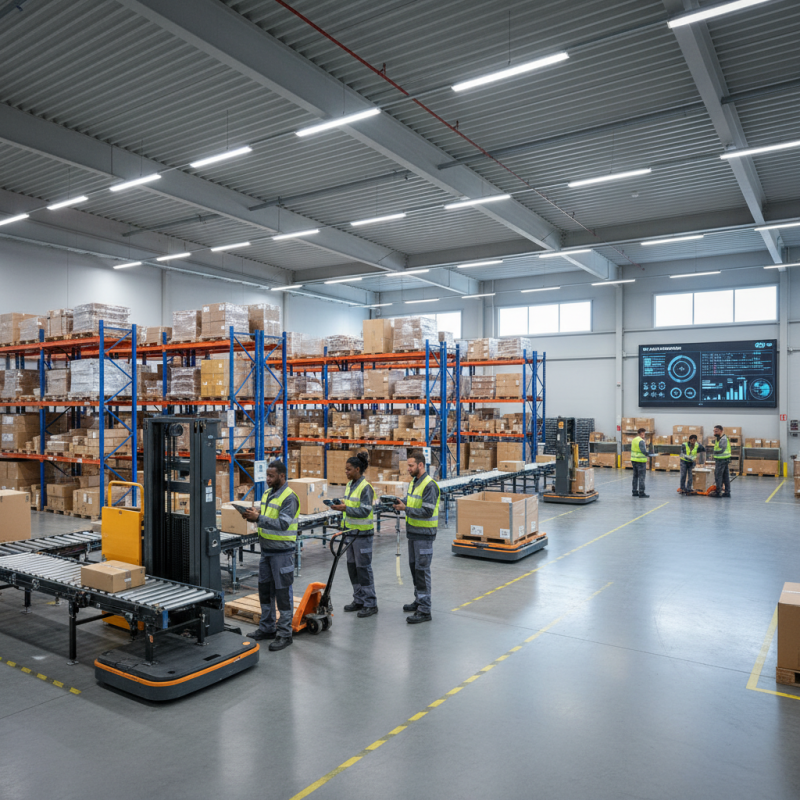
Maximize Warehouse Labor Productivity with These Tips?

Understanding Warehouse Labor Productivity Metrics

Understanding warehouse labor productivity metrics is crucial for optimizing performance. These metrics serve as indicators of efficiency and can reveal areas needing improvement. A key metric is the units per hour (UPH), reflecting how many items a worker processes. Tracking UPH helps identify high-performing employees and underperformers. It's essential to analyze patterns over time for accurate insights.

Another vital metric is labor cost percentage. This percentage indicates how much of your total operational costs are attributed to labor. Keeping this figure in check can directly influence your bottom line. If labor costs are rising without a corresponding increase in output, it’s time to investigate.

However, metrics alone do not tell the full story. A heavy reliance on numbers can overshadow human factors. For example, morale and working conditions heavily influence productivity. It’s important to engage employees and seek their feedback regularly. Balancing data analysis with employee well-being can lead to more sustainable productivity gains. Remember to look beyond the metrics for a well-rounded approach.

Warehouse Labor Productivity Metrics

This chart demonstrates the labor productivity metrics in a warehouse over six months. The data indicates a positive trend in productivity, with significant increases observed in April and June.

Implementing Efficient Workflow Design in Warehouses

Efficient workflow design is critical for boosting warehouse productivity. By optimizing processes, you reduce waste and enhance performance. Start by analyzing the layout of your warehouse. A well-organized space allows for faster movement and accessibility. Place frequently picked items closer to loading docks. This small change can save valuable time and energy.

Consider implementing technology to streamline operations. Automation can help manage inventory and order processing. However, not every warehouse is ready for full automation. Reflect on your workforce's ability to adapt to these changes. Training staff is essential. They should feel comfortable using any new systems introduced.

Regularly review your workflow and processes. Gather input from your team. Their first-hand experiences can reveal inefficiencies you may overlook. While aiming for productivity, be careful not to rush. A hurried workload can upset staff morale. Balancing efficiency and employee wellbeing is vital for sustainable success.

Leveraging Technology for Enhanced Labor Management

In today's fast-paced warehousing environment, leveraging technology is crucial for labor management. According to a report by the Warehousing Education and Research Council, companies that invest in modern technology can boost productivity by up to 30%. Automation tools streamline repetitive tasks. They help workers focus on more value-added activities. This shift can enhance overall efficiency, yet it also raises concerns about workforce adaptability.

Embracing data analytics is another key aspect. Real-time tracking of labor performance allows managers to identify bottlenecks. They can adjust workflows based on actionable insights. A study from Deloitte reveals that 70% of organizations using analytics see improved labor utilization rates. However, organizations often struggle with data overload. Without proper training, staff may find it challenging to interpret analytics effectively.

Mobile devices and applications have transformed communication on the warehouse floor. Workers equipped with handheld devices can receive instant updates. This immediacy reduces downtime and enhances coordination. Nonetheless, the reliance on technology can lead to disruptions during system failures. Continuous training is essential to mitigate this risk and ensure that employees remain engaged and effective. Ultimately, a balanced approach to technology in labor management fosters both productivity and workforce morale.

Training and Development for Warehouse Staff Efficiency

Training warehouse staff efficiently can significantly boost productivity and morale. Start with a comprehensive onboarding program. This should cover job responsibilities, safety protocols, and company culture. New hires require clarity. Flawed training can lead to confusion and errors. A structured approach is essential.

Ongoing development is also crucial. Offer regular workshops that focus on skills enhancement. Topics might include new technology in logistics, effective communication, and team collaboration. This can address areas where staff might struggle. Employees often feel stagnant without growth opportunities. An environment that fosters learning can invigorate your workforce.

Performance evaluations should not just highlight shortcomings. They also need to recognize strengths. Constructive feedback encourages improvement. Create a culture where mistakes are seen as learning opportunities. Employees need to feel supported when they face challenges. This can lead to increased engagement and productivity.

Maximize Warehouse Labor Productivity with These Tips

Tip Description Expected Outcome
Implement Efficient Training Programs Structured training sessions for new hires and ongoing staff development. Improved skill levels, leading to quicker task execution.
Optimize Warehouse Layout Design an efficient layout to minimize the distance traveled by workers. Faster picking and packing times.
Utilize Technology Integrate warehouse management systems (WMS) and mobile devices. Enhanced accuracy and efficiency in tracking inventory.
Encourage Team Collaboration Foster a culture of teamwork and communication among staff. Increased morale and productivity.
Regular Performance Reviews Conduct assessments to identify areas for improvement and reward top performers. Motivation and continuous improvement in productivity.

Creating a Positive Work Environment to Boost Productivity

Creating a positive work environment in a warehouse can significantly enhance productivity. When workers feel appreciated, they tend to be more engaged. Simple gestures, like a thank-you note or acknowledgment of hard work, go a long way. Comfortable break areas also encourage a sense of belonging. When employees can unwind, their morale increases.

Encouraging open communication is essential. Workers should feel free to express their thoughts. Regular check-ins can help identify concerns early. Additionally, involving employees in decision-making fosters ownership and responsibility. It’s important to reflect on current practices that may not support a positive atmosphere. Understanding barriers to communication can improve relationships.

Flexibility in schedules can improve job satisfaction. It shows that management cares about work-life balance. However, adjusting schedules can create challenges. Be open to feedback on what works and what doesn’t. Create opportunities for team-building activities. These moments can strengthen connections and improve collaboration. A positive environment is a collective effort that requires continuous reflection and adjustments.

FAQS

: What are warehouse labor productivity metrics?

: They are indicators of efficiency that highlight areas for improvement in performance.

What does units per hour (UPH) measure?

UPH measures how many items a worker processes in an hour, showcasing individual employee productivity.

Why is it important to track labor costs?

Tracking labor cost percentage helps monitor how much of operational costs are due to labor, impacting profit margins.

Can relying solely on metrics be problematic?

Yes, over-reliance on numbers can ignore human factors like morale and working conditions that affect productivity.

How can warehouse layout affect productivity?

A well-organized layout enables faster movement. Place frequently picked items closer to loading docks for efficiency.

What role does technology play in warehouse efficiency?

Technology and automation can streamline processes but require training to ensure staff adapt well to new systems.

Why should teams provide feedback on workflow?

Team input can reveal inefficiencies not visible through metrics alone, often tied to their daily experiences.

How can employee morale influence productivity?

High morale boosts productivity, while rushing workloads can harm morale, leading to lower efficiency.

What should be balanced for sustainable productivity?

Balance between efficiency and employee well-being is essential for long-term success in warehouse operations.

How often should workflow processes be reviewed?

Regular reviews are necessary to adapt and improve, incorporating team feedback for better efficiency.

Conclusion

To enhance warehouse labor productivity, several key strategies can be employed. First, understanding productivity metrics is crucial for identifying areas for improvement. By establishing clear performance indicators, management can better track efficiency and make informed decisions. Next, implementing efficient workflow designs is essential; this involves optimizing layout and processes to minimize unnecessary movements and streamline operations.

Additionally, leveraging technology, such as warehouse management systems and automation, can significantly enhance labor management by providing accurate data and reducing manual tasks. Training and development for warehouse staff are also vital, as investing in employee skills leads to greater efficiency and morale. Finally, fostering a positive work environment can boost productivity by encouraging teamwork and engagement among staff. By following these Warehouse Labor Productivity Tips, businesses can create a more effective and motivated workforce.

Sophia

Sophia

Sophia is a dedicated marketing professional with an exceptional depth of knowledge about her company's products and services. With a keen understanding of market trends and customer needs, she crafts insightful blog posts that not only inform but also engage readers, enriching the company’s online......