Dunton Logistics Dunton Logistics

Why Improving Warehouse Ergonomics Boosts Productivity and Safety?

Time:2026-06-22 Author:Amelia
0%

Improving warehouse ergonomics is pivotal for enhancing both productivity and safety. The workspace should support workers' physical needs. A well-designed environment reduces strain. It facilitates better movement and reduces injury risks.

The "Warehouse Ergonomics Improvement Guide" is essential for organizations that seek to optimize their operations. This guide offers practical solutions for better workplace design. It emphasizes simple changes, like proper lifting techniques and accessible tools. These adjustments can significantly impact worker satisfaction and efficiency.

However, it’s crucial to remember that challenges still exist. Resistance to change can hinder progress. Some individuals might struggle to adapt to new practices. Continuous training and encouragement are vital to overcoming these hurdles. Ultimately, focusing on ergonomic improvements will lead to a safer, more productive warehouse environment.
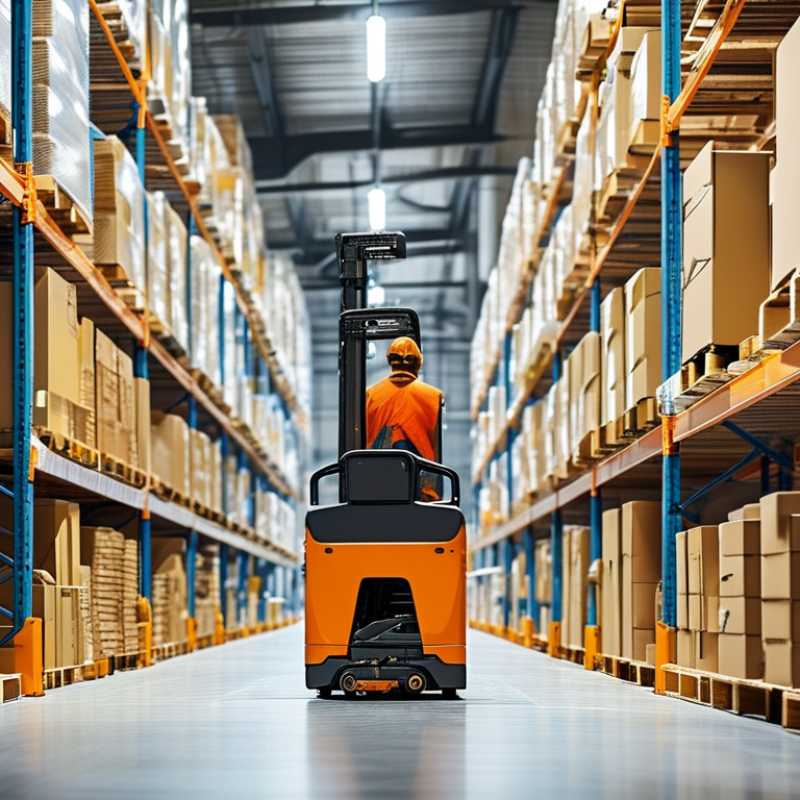
Why Improving Warehouse Ergonomics Boosts Productivity and Safety?

Understanding Warehouse Ergonomics: Definition and Importance

Warehouse ergonomics refers to designing workspaces for optimal human use. It emphasizes the importance of worker safety and efficiency. Poor ergonomics can lead to injuries. These injuries not only affect workers but also impact overall productivity. When tasks are hard to perform, mistakes are more likely.

By integrating ergonomic principles, warehouses can reduce strain on employees. Adjustable shelving and proper lifting techniques are practical examples. Ergonomic training can help workers recognize safe practices. However, many warehouses still overlook these aspects, resulting in discomfort and inefficiency. Managers must assess their environment regularly for improvements.

Creating an ergonomic workspace requires thoughtful planning. It involves considering worker movements and the layout of tools. Often, small changes lead to significant benefits. Regular feedback from employees can guide these adjustments. Mistakes may happen when new practices are introduced. Continuous evaluation is essential to ensure lasting benefits.

Key Components of Ergonomic Design in Warehousing Environments

Creating an ergonomic warehouse environment is essential for employee safety and productivity. One key component is workstation design. Adjustable shelving and storage systems can reduce reaching and bending. Implementing height-adjustable work tables promotes a more comfortable posture. This can significantly lower the risk of injuries.

Another important aspect is tool selection. Ergonomically designed tools minimize strain. Tools that fit comfortably in workers' hands can enhance efficiency. Training employees on proper lifting techniques also plays a crucial role. Awareness of body mechanics can prevent chronic pain.

Incorporating rest areas is often overlooked. Providing spaces for employees to recharge can improve overall morale. While many warehouses prioritize busy schedules, fatigue can lead to mistakes. Considering breaks and recovery time is vital. The layout and design should foster both efficiency and well-being.

Why Improving Warehouse Ergonomics Boosts Productivity and Safety?

Key Components Description Impact on Productivity Impact on Safety
Material Handling Equipment Use of lifts, conveyors, and automated guided vehicles to assist workers. Reduces time taken to move goods, increases output. Minimizes physical strain, reducing injury risks.
Adjustable Workstations Workstations that can be modified for height and comfort based on worker's preferences. Enhances worker comfort, leading to better focus and efficiency. Encourages proper posture, reducing strain injuries.
Ergonomic Tools Tools designed to minimize effort and maximize comfort, such as light-weight hand tools. Increases efficiency as workers can operate tools more quickly and easily. Reduces the risk of repetitive strain injuries.
Layout Optimization Designing warehouse layout to minimize travel distance and improve workflow. Speeds up order picking and reduces downtime. Lower chances of accidents due to cluttered paths.
Training Programs Regular training on proper lifting techniques and ergonomic practices. Improves overall handling efficiency and speed of employees. Increases awareness of potential hazards, fostering a safer work environment.

Impact of Improved Ergonomics on Employee Productivity and Efficiency

In today’s fast-paced logistics environment, enhancing warehouse ergonomics is crucial. Studies show that improved ergonomics can reduce workplace injuries by up to 40%, thus fostering a safer environment. When employees are comfortable, they can focus better on tasks, leading to a significant boost in productivity. An ergonomic workplace can increase efficiency by as much as 25%, translating to faster order fulfillment and better customer satisfaction.

Implementing ergonomic solutions doesn’t have to be costly. Start by assessing workstations and ensuring that shelves are at appropriate heights. Use tools that minimize strain, and encourage regular breaks to prevent fatigue. Small adjustments yield big results.

Despite the clear advantages, many companies overlook these improvements. It is common to find workstations that cause discomfort, leading to disengaged employees. Regular feedback from staff can illuminate areas needing enhancement. Training employees on the importance of ergonomics can create a culture of safety and efficiency. Stronger wellness programs often lead to higher retention rates and lower absenteeism, resulting in a healthier bottom line.

Safety Enhancements Through Ergonomic Practices in Warehouses

Ergonomic practices in warehouses significantly enhance safety. By optimizing workspaces, we reduce the likelihood of injuries. Poorly designed environments lead to strains and chronic pain. Workers may suffer from fatigue and decreased focus. An ergonomic layout prevents repetitive stress injuries, allowing for more comfortable movement.

Safety also improves through proper training and equipment. Educating employees about safe lifting techniques is crucial. Providing tools such as lift assists can decrease the risk of accidents. Regular breaks facilitate recovery, reducing overexertion. Workers feel more valued when their well-being is prioritized.

However, not all ergonomic changes are immediately effective. Some employees might resist new practices. Adjustment periods are common, and feedback is essential. Continuous evaluation helps fine-tune setups where needed. Even small changes can significantly impact workplace morale and productivity.

Impact of Ergonomic Practices on Warehouse Productivity and Safety

Best Practices for Implementing Ergonomics in Warehouse Settings

Implementing ergonomic practices in warehouse settings is crucial for enhancing both productivity and safety. Workers often face repetitive motions, heavy lifting, and awkward postures. To address this, it's essential to assess the workspace layout. Ensure that tools and materials are within arm's reach. This simple change can significantly reduce strain on the body.


Training employees on proper lifting techniques is another vital step. Many workers overlook these techniques, leading to injuries. Regular workshops can reinforce safe practices, fostering a culture of safety. Utilizing adjustable equipment can also make a difference. This allows for customization based on individual worker needs and preferences.


It's important to regularly evaluate these ergonomic strategies. Gather feedback from workers about discomfort or inefficiencies. This reflection can reveal areas that need improvement. Understanding that perfection is unlikely, organizations should adjust their practices continuously. An ongoing commitment to ergonomic improvements can lead to a healthier workforce and a more productive warehouse environment.

FAQS

: What is warehouse ergonomics?

: Warehouse ergonomics focuses on designing workspaces for optimal human use to enhance safety and efficiency.

Why is ergonomics important in warehouses?

Poor ergonomics can lead to injuries. These injuries affect workers and impair overall productivity.

How can ergonomics reduce workplace injuries?

Integrating ergonomic principles, like adjustable shelving, can reduce strain on employees and prevent injuries.

What are some examples of ergonomic practices?

Examples include using proper lifting techniques and ergonomic training to promote safe work habits.

How can small changes impact productivity?

Small adjustments, like the layout of tools, can lead to significant improvements in comfort and efficiency.

What should managers do to maintain ergonomic standards?

Managers should regularly assess their environment for improvements and seek feedback from employees.

How do ergonomics affect employee focus?

Comfortable workspaces allow employees to concentrate better, leading to improved task performance.

Are ergonomic improvements costly to implement?

No, ergonomic solutions can begin with simple assessments and small adjustments at minimal cost.

Why do companies often neglect ergonomic improvements?

Many companies overlook these changes, resulting in uncomfortable workstations and disengaged employees.

How does training impact workplace ergonomics?

Training helps create a culture of safety and efficiency, leading to better retention rates.

Conclusion

The article "Why Improving Warehouse Ergonomics Boosts Productivity and Safety?" delves into the essential principles of warehouse ergonomics, emphasizing its significance in enhancing both efficiency and safety in warehouse environments. It outlines various key components, such as proper workstation design, equipment selection, and workflow organization, which collectively contribute to a more ergonomic workspace. Improvements in ergonomics not only elevate employee productivity but also foster a safer working climate, reducing the likelihood of injuries.

Further, the article serves as a Warehouse Ergonomics Improvement Guide, providing actionable best practices for implementing ergonomic strategies within warehousing settings. By prioritizing ergonomic design, companies can create healthier work environments that lead to increased morale and improved overall operational performance. Implementing these principles is crucial for optimizing both employee well-being and organizational effectiveness.

Amelia

Amelia

Amelia is a seasoned marketing professional with a wealth of expertise in our company’s core offerings. With an unwavering passion for driving growth and innovation, she plays a pivotal role in shaping our marketing strategies and enhancing brand visibility. A key aspect of her responsibilities......