Dunton Logistics Dunton Logistics

Why is Handling Heavy Loads Safely Essential for Your Business?

Time:2026-08-09 Author:Sienna
0%

Handling heavy loads safely is crucial for any business that relies on physical labor. This practice not only safeguards employees but also protects valuable assets. Accidents due to improper handling can lead to severe injuries and costly damages, affecting productivity and morale. Businesses must recognize that handling heavy loads safely is not merely a guideline; it is a fundamental aspect of workplace safety.

Many organizations underestimate the risks involved. Employees may feel pressure to bypass safety protocols to meet deadlines. This can lead to injuries that might disrupt operations. Therefore, embracing safe handling techniques creates a more secure work environment. Moreover, investing in proper training reduces these risks significantly.

Companies that prioritize handling heavy loads safely often see numerous benefits. A safer workplace enhances employee confidence and retention. It also builds a reputation for reliability, attracting more clients. In contrast, neglecting safety can result in legal issues and financial losses. Thus, it’s essential for businesses to reflect on their safety practices continuously and adapt their strategies accordingly.
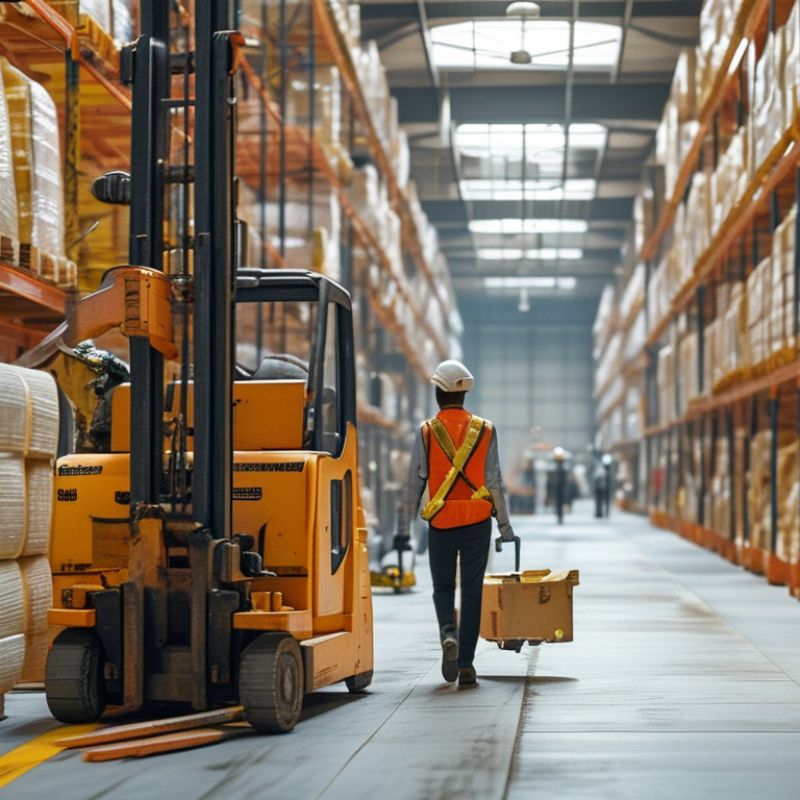
Why is Handling Heavy Loads Safely Essential for Your Business?

Importance of Safe Load Handling in Workplace Environments

In workplace environments, safe load handling is crucial for several reasons. Every day, employees lift, push, and pull heavy items. When done incorrectly, these actions can lead to injuries. Common issues include sprains, fractures, and chronic pain. Each injury can result in costly medical bills and lost workdays. This not only affects workers but also the overall productivity of the business.

Training employees is a vital part of fostering safe practices. Workers need to understand how to lift properly and use equipment safely. Many companies overlook this aspect. High rates of injury often stem from a lack of training. Regular safety assessments can reveal risks before they escalate. Supervisors must encourage open discussions about safety. Employees should feel empowered to voice concerns without fear.

Investing in proper lifting techniques and equipment pays off. It reduces injuries and enhances workplace morale. Employees who feel safe are often more productive. Creating a culture of safety requires ongoing commitment. Businesses should constantly evaluate their safety protocols. Neglecting this duty can lead to serious consequences.

Importance of Safe Load Handling in Workplace Environments

This chart represents the number of workplace injuries associated with improper load handling versus safe practices. Adopting safe load handling techniques can significantly reduce the risk of injuries and contribute to a healthier work environment.

Common Risks Associated with Improper Heavy Load Management

Handling heavy loads safely is critical to prevent workplace injuries. According to the Occupational Safety and Health Administration (OSHA), approximately 33% of workplace injuries involve manual lifting. These incidents lead to significant downtime and can affect employee morale. Factors such as poor lifting techniques or inadequate equipment contribute to these risks.

The financial impact of improper heavy load management is substantial. The National Institute for Occupational Safety and Health (NIOSH) reported that musculoskeletal disorders account for 30% of all worker compensation claims. The average cost of a claim can exceed $40,000. These numbers highlight the need for comprehensive training and appropriate lifting equipment to minimize risks.

Moreover, the consequences of inadequate heavy load management extend beyond money. Improper techniques can result in chronic pain or long-term disability for workers. There’s a pressing need to reflect on current practices. Are employees adequately trained? Is the equipment up to date? Addressing these questions is vital for creating a safer work environment.

Best Practices for Safe Handling of Heavy Loads

Handling heavy loads safely is critical for any business that deals with substantial materials. Improper lifting techniques can lead to significant injuries, increasing downtime and affecting productivity. Workers must be trained on best practices to mitigate these risks. For instance, using proper lifting techniques—like bending at the knees instead of the waist—can prevent back strain. Employees should also use equipment such as forklifts and dollies when transporting heavy items.

Clear communication among team members is vital during these operations. A simple shout of "heavy load!" can prepare teammates for a challenging lift. Regular safety training sessions create a culture of awareness and help reinforce these practices. However, not all employees may adhere to protocols consistently, leading to potential accidents. This highlights the importance of ongoing evaluation and adjustment of safety procedures.

Creating a safe environment involves not just training but also ensuring the workspace is organized. Clutter can increase the risk of accidents. Implementing a routine inspection process can identify hazards before they cause issues. Reflecting on these practices regularly can improve safety standards and ultimately benefit the business. Safety is not a one-time effort; it requires continuous attention and dedication.

Training and Equipment Needed for Effective Load Safety

Training and equipment are crucial for safe handling of heavy loads. Workers need comprehensive training on proper techniques. This includes lifting, pushing, and pulling. Incorrect methods can lead to injuries and reduce productivity. It's essential that employees understand their limits and the weight they can safely handle.

In addition to training, the right equipment is equally important. Items like forklifts, hoists, and pallet jacks must be in good condition. Regular inspections help ensure safety. Safety gear, such as gloves and helmets, protects workers from potential accidents. Employees should be encouraged to report any unsafe conditions or equipment.

Successful load handling involves continuous learning. Mistakes can happen, and it’s vital to reflect on them. Holding regular safety meetings can reinforce best practices. Creating a culture of safety not only protects employees but also benefits the entire business. Ultimately, investing in training and equipment results in a healthier workplace.

Impact of Load Handling Safety on Business Efficiency and Costs

Handling heavy loads safely is crucial for any business. It impacts operational efficiency and costs significantly. When employees use proper techniques, productivity increases. It reduces the risk of injuries, leading to fewer sick days and lower medical costs.

Employees need training on load handling. Regular workshops can reinforce safety practices. Equip your team with the right tools. Use trolleys, hoists, and other equipment to minimize manual handling. This not only ensures safety but enhances productivity as well.

Consider workplace layout too. A clutter-free environment can streamline processes. Heavy items should be stored near workstations, reducing travel distance. However, some businesses overlook these details. They may not realize the long-term costs of unsafe practices, like accidents and insurance hikes. Evaluate your existing protocols frequently. It’s essential to remain proactive and adapt as needed.

FAQS

: Why is safe load handling important in the workplace?

: Safe load handling prevents injuries and enhances productivity. Injuries can lead to high medical costs and lost workdays.

What are common injuries from improper load handling?

Common injuries include sprains, fractures, and chronic pain. These affect both employees and business operations.

How can training improve load handling safety?

Training helps workers understand proper lifting techniques and equipment use. It reduces injury rates significantly over time.

What type of equipment is essential for safe load handling?

Essential equipment includes forklifts, hoists, and pallet jacks. They must be regularly inspected for optimal safety.

Why is a clutter-free work environment important?

A clutter-free workspace increases efficiency and safety. It lowers the risk of accidents caused by disorganization.

How can businesses encourage a culture of safety?

Businesses should hold regular safety meetings and encourage open discussions. Employees should feel confident reporting unsafe conditions.

What should businesses do to evaluate safety protocols?

Regular assessments of safety practices are essential. Businesses often neglect this, risking serious consequences.

Can proper load handling impact business costs?

Yes, safe practices can reduce sick days and lower medical expenses. Long-term, this leads to better financial outcomes.

What happens if load handling safety is ignored?

Ignoring safety protocols can lead to accidents and higher insurance costs. It's vital to stay proactive and attentive.

How do injuries affect workplace morale?

Injuries can lower morale, causing workers to feel unsafe. A strong safety culture fosters employee confidence and productivity.

Conclusion

Handling heavy loads safely is crucial for any business, as it directly impacts workplace safety, employee well-being, and operational efficiency. Improper heavy load management can lead to serious risks, including injuries, accidents, and increased liability costs. To mitigate these risks, businesses must implement best practices for safe handling, such as using appropriate lifting techniques and ensuring proper equipment is available.

Training employees on load handling safety and providing the necessary equipment are vital steps in fostering a safe work environment. When businesses prioritize handling heavy loads safely, they not only protect their workforce but also enhance productivity and reduce costs associated with accidents and inefficiencies. Ultimately, a commitment to safe load handling practices can lead to a more effective and financially stable operation.

Sienna

Sienna

Sienna is a skilled marketing professional with a deep expertise in our company’s core products and services. With a passion for innovation and detail, she plays a pivotal role in crafting insightful blog posts that not only highlight the unique features of our offerings but also provide valuable......