 Dunton Logistics
Dunton Logistics
Dunton Logistics
In the world of logistics, safety is paramount. The "Freight Handling Safety Guidelines" aim to protect workers and cargo alike. According to the International Labour Organization, nearly 2.3 million people die each year from work-related accidents. This startling figure underscores the need for effective safety protocols in freight handling.
A report from the Occupational Safety and Health Administration indicates that improper lifting and material handling account for a significant portion of workplace injuries. In fact, nearly 25% of these incidents occur in warehouse settings. For importers, adhering to established safety guidelines is not just a legal obligation; it is a moral imperative to safeguard employees.
Nevertheless, despite the availability of these guidelines, many companies still overlook safety measures. This negligence can lead to costly injuries and damage to goods. Continuous training and reinforcement of the "Freight Handling Safety Guidelines" are vital. By making safety a priority, importers can foster a safer work environment and protect their bottom line.
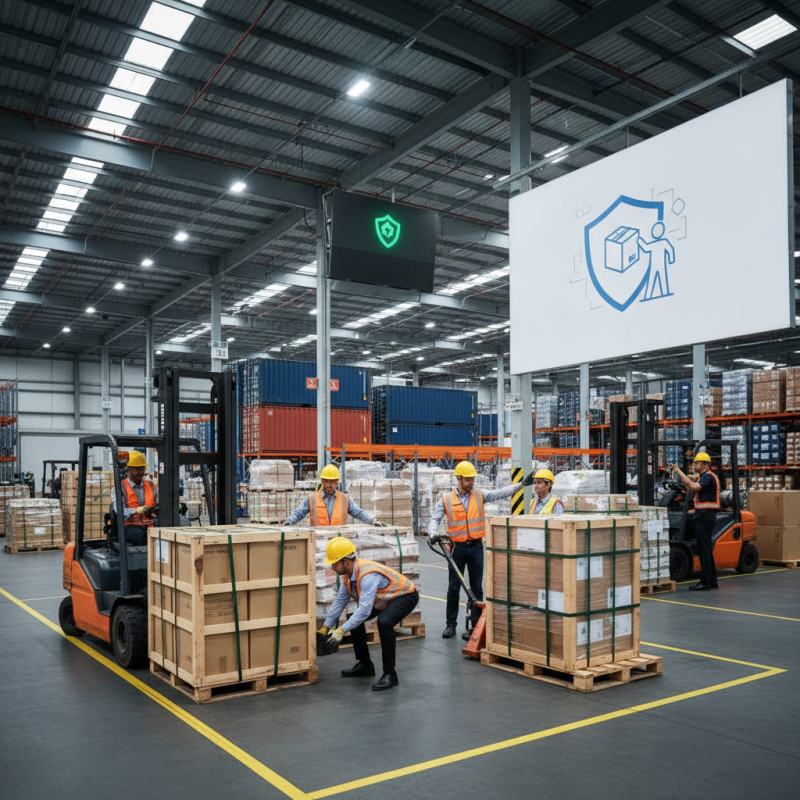
Importers play a crucial role in global trade, and safety in freight handling is vital. According to the International Labour Organization, approximately 2.3 million workers die from occupational accidents each year. Many of these incidents occur in freight handling. Importers must prioritize safety to protect workers and reduce losses.
Implementing safety training programs can significantly decrease accidents. Regular training updates ensure that employees understand the latest safety protocols. Importers should invest in high-quality safety equipment. This equipment can prevent injuries during handling and transportation.
Tips for safe freight handling include: always inspect equipment before use, ensure proper signage in storage areas, and label hazardous materials clearly. Keep communication open among team members. Accountability and clear roles improve safety in the workplace. Remember, even small oversights can lead to significant accidents, so it’s essential to cultivate a culture of awareness and diligence.
| Safety Guidelines | Importance | Implementation Tips |
|---|---|---|
| Proper Training for Employees | Reduces accidents and increases efficiency | Conduct regular training sessions and refreshers |
| Use of Personal Protective Equipment (PPE) | Protects workers from injuries | Ensure availability and enforce usage |
| Regular Equipment Maintenance | Prevents machinery failure and accidents | Schedule and document maintenance activities |
| Clear Signage and Markings | Improves navigation and reduces confusion | Install visible signs and floor markings |
| Emergency Procedures | Ensures quick response to incidents | Regular drills and accessible emergency plans |
: Safety in freight handling is crucial to protect workers and prevent accidents.
Common hazards include physical injuries, equipment failure, and environmental risks like slips and falls.
Safety training programs can reduce accidents. Regular updates help employees stay informed about safety protocols.
High-quality safety equipment prevents injuries during handling and transportation. Always inspect equipment before use.
Open communication among team members promotes accountability and improves safety awareness in the workplace.
Schedule regular maintenance checks and encourage employees to report any equipment issues immediately.
Employees should be trained to recognize weather-related risks and provided with protective gear for safety.
Small oversights can lead to significant accidents, highlighting the importance of a diligent safety culture.
Employees should always wear proper footwear with slip-resistant soles to prevent slips and falls.
Cultivating a culture of awareness involves training, accountability, and consistent communication about safety practices.
Effective freight handling is crucial for importers to minimize risks and ensure safety during operations. The Freight Handling Safety Guidelines emphasize the importance of recognizing common hazards, such as moving equipment and heavy loads, which can lead to accidents if not managed properly. Importers must ensure that freight handlers are equipped with essential personal protective equipment (PPE) to safeguard against injuries.
Best practices for loading and unloading are also key components of safe freight handling. This includes using appropriate techniques and equipment to prevent accidents. Furthermore, providing comprehensive training and ensuring compliance with safety procedures are vital steps in maintaining a safe working environment. By adhering to these guidelines, importers can significantly reduce potential hazards and promote a culture of safety in freight handling operations.
