Dunton Logistics
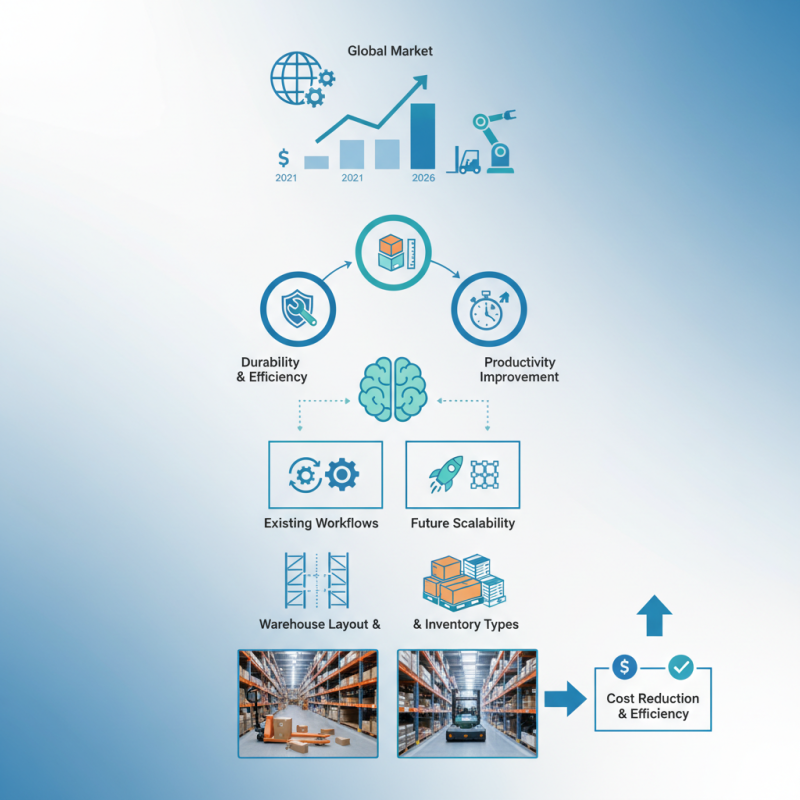
In today's fast-paced logistics industry, understanding **How To Select Warehouse Equipment** is crucial for operational efficiency. The global warehouse robotics market is projected to grow from $2.2 billion in 2021 to $11.4 billion by 2026, showcasing a significant shift towards automation. This highlights the importance of choosing the right equipment to remain competitive.
Selecting warehouse equipment goes beyond just considering price. Factors like durability, efficiency, and space optimization play a vital role. A recent study found that 75% of warehouse operators reported improved productivity after upgrading their material handling systems. Yet, many companies still struggle with equipment choices, often overlooking their specific operational needs.
Effective selection requires an understanding of existing workflows and future scalability. It's important to assess your warehouse layout and inventory types. While many equip themselves with sophisticated tools, some still rely on outdated systems. This presents an opportunity for reflection. Are you leveraging the best technology to meet your goals? Making informed decisions can lead to significant long-term benefits in cost reduction and workflow efficiency.
When selecting warehouse equipment, understanding specific needs is crucial. Assessing your inventory type and storage requirements can help narrow down choices. For instance, if handling heavy items, look into pallet jacks or forklifts. Lightweight goods might only need shelving or carts.
Consider the layout of your warehouse. Narrow aisles require compact equipment, while broader spaces allow larger options. If space is tight, vertical storage solutions can maximize capacity. Evaluate the frequency of goods movement as well. High-traffic areas benefit from durable, fast-access equipment.
It's important to involve team members in the selection process. Their feedback can offer practical insights. Often, the most expensive equipment is not the best fit for all operations. Balancing cost, efficiency, and purpose is key. Reflect regularly on how these choices impact workflow. Your needs may change over time, and adaptability is essential.
When selecting warehouse equipment, evaluating space and layout is crucial. The arrangement of your facility affects efficiency. Studies show that up to 25% of a warehouse's operational productivity can be linked to how equipment is placed. Consider the types of equipment you need. High-density racking systems might work well in a compact space, but they require careful planning.
Focus on aisle widths. Narrow aisles can save space but may limit movement. This can result in slower operations. For example, a forklift needs adequate room to maneuver. According to the Warehouse Efficiency Report 2022, optimizing aisle width can improve picking speed by up to 15%. Assess your layout regularly. This helps in identifying any bottlenecks or inefficiencies in workflows.
Utilize vertical space too. High ceilings can accommodate taller racks, increasing storage capacity. However, consider the equipment necessary to access these heights. Lifts or specialized equipment can add costs. The National Warehouse Association suggests that leveraging vertical space can enhance storage by 30%. Always reflect on your choices. Each layout adjustment impacts overall performance and cost-effectiveness. Evaluate, adapt, and choose wisely.
When selecting warehouse equipment, budget constraints play a crucial role. According to a recent industry report by the Material Handling Industry of America, nearly 30% of businesses overlook total cost ownership in their purchasing decisions. This can result in unexpected expenses after acquisition, leading to budget overruns. It's essential to assess both the initial costs and ongoing maintenance requirements of equipment.
Tips for effective budgeting include setting a clear limit based on your financial capacity. Start by gathering quotes from multiple suppliers. Compare their offerings against your operational needs. Evaluate maintenance costs, as equipment that seems cheaper initially may require more frequent repairs.
Consider the long-term value of investment. Reports indicate that optimizing warehouse equipment can improve efficiency by up to 35%. However, improper budgeting can reverse these gains. Use tools like life-cycle cost analysis to make informed decisions. This approach helps you avoid pitfalls and secure reliable equipment that meets both performance and budget criteria.
| Equipment Type | Estimated Cost | Maintenance Cost | Durability (Years) | Space Required (sq ft) | Usage Efficiency (%) |
|---|---|---|---|---|---|
| Forklift | $30,000 | $2,000 | 10 | 200 | 85 |
| Pallet Jack | $2,500 | $100 | 5 | 20 | 90 |
| Conveyor System | $50,000 | $5,000 | 15 | 300 | 95 |
| Shelving Units | $10,000 | $500 | 12 | 100 | 80 |
| Automated Guided Vehicle (AGV) | $70,000 | $7,000 | 20 | 500 | 92 |
When choosing warehouse equipment, researching and comparing specifications is crucial. According to a report by Material Handling Industry, over 45% of warehouse inefficiencies stem from inadequate equipment selection. This highlights the importance of making informed decisions.
Consider the load capacity of equipment. For example, forklifts come with different weight limits. Selecting an underpowered model can lead to delays and potential safety hazards. Analyze your inventory and choose equipment that matches your needs. Battery life and charging time are also key factors. Equipment that requires frequent charging can disrupt workflow.
Moreover, assess ease of maintenance. Detailed specifications often outline maintenance intervals. Skipping regular servicing can result in increased downtime. In fact, a study from the Warehousing Education and Research Council shows that poorly maintained equipment can reduce productivity by up to 20%. Researching these aspects ensures your warehouse operates efficiently and safely.
Choosing the right warehouse equipment is critical. It's easy to feel overwhelmed by options. Consulting with industry experts can provide clarity. They offer insights into what truly works for your specific needs. Their experience can help pinpoint the most efficient solutions.
Tips: Identify the unique requirements of your warehouse. Understand how equipment impacts workflow. This tailored approach ensures a better fit for your operations.
Selecting the right technology is equally crucial. Automated systems can save time. However, understanding your operational flow is vital before committing. Experts can help analyze these workflows effectively.
Tips: Ask questions, and seek advice regularly. Gather feedback from employees using the equipment. Their perspectives can reveal gaps or needs in your current setup. Remember, the best decisions come from informed discussions.
: Assess your inventory type, storage needs, and the layout of your space.
Heavy items require forklifts or pallet jacks, while lightweight goods may only need shelving or carts.
Their feedback offers practical insights and helps reflect on workflow impacts.
Choose compact equipment to navigate tight spaces effectively.
Consider vertical storage solutions to optimize space utilization.
Not necessarily; balance cost, efficiency, and purpose to find the best fit.
Regular reflection is essential as your needs can change over time.
They provide clarity on what works best for your specific operational needs.
They can save time, but analyzing operational flow is crucial before implementation.
Seek feedback from employees and ask questions to identify needs and improvements.
Choosing the right warehouse equipment is crucial for enhancing operational efficiency and productivity. To effectively determine how to select warehouse equipment, one must first understand the specific needs and types of equipment required based on operational demands. Evaluating the warehouse space and layout is essential for making optimal equipment choices, ensuring that the selected tools fit seamlessly into the physical environment.
Furthermore, assessing budget constraints and cost considerations is vital, as it impacts the decision-making process. Conducting thorough research and comparing equipment specifications allows for informed choices tailored to the warehouse's operational goals. Finally, consulting with industry experts can provide valuable insights and advice, ensuring that selections are not only suitable but also future-proof. By following these steps, businesses can make strategic decisions that align with their logistical requirements.