Dunton Logistics
China’s hazmat supply sector serves factories, laboratories, logistics companies, and emergency response teams. This guide reviews ten notable suppliers supporting safer storage, transport, and workplace operations. It focuses on practical evidence, not attractive brochures. Product quality matters. So does dependable service.
The comparison considers UN-certified packaging, chemical-resistant drums, IBC containers, spill kits, safety cabinets, warning labels, and compatible handling equipment. It also examines SDS support, batch traceability, export experience, factory controls, and customer training. A strong supplier should explain material compatibility clearly. For example, a container suitable for solvents may fail with corrosive liquids. Small details can prevent costly incidents.
Handling Hazardous Materials Safely requires more than buying compliant equipment. Staff need clear procedures, suitable ventilation, inspected forklifts, and accessible emergency supplies. Reliable suppliers should provide documentation that buyers can verify with independent records. Certifications may expire. Product claims can also be incomplete. No supplier is perfect, and a high ranking does not replace site-specific assessment. That is an important limitation.
This overview is designed for responsible purchasing decisions involving lawful industrial, commercial, and laboratory applications. Each company should be checked against current Chinese requirements, destination-country rules, and the buyer’s internal risk assessment. Readers should confirm testing reports, manufacturing capacity, delivery history, and after-sales support before placing orders. The best choice is rarely the cheapest option. It is the supplier that combines consistent products, transparent communication, and practical safety knowledge.
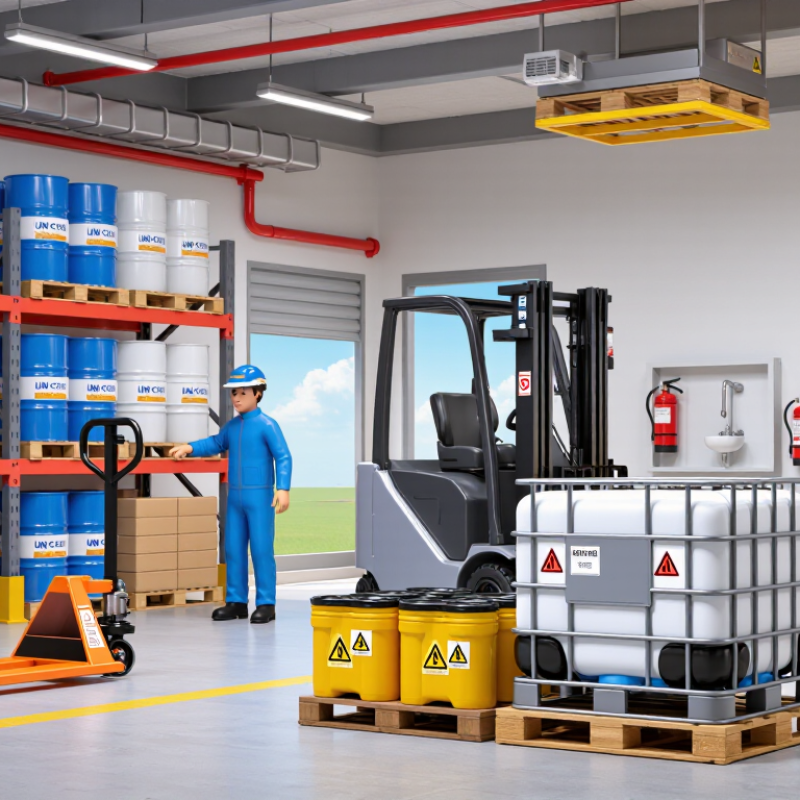
Safe hazmat handling depends on more than purchasing a strong container. Supplies usually include certified packaging, hazard labels, absorbent materials, protective gloves, goggles, respirators, spill kits, and emergency wash equipment. Safety data sheets and clear handling instructions are equally important.
Reliable suppliers in China should explain material compatibility, testing standards, inspection records, and storage limits. A container designed for corrosive substances may fail when used with another chemical. Small details matter. Buyers should request samples and review closure strength, leakage resistance, and label durability before placing large orders. Photos alone cannot prove quality.
A practical workplace keeps spill absorbents beside storage areas, not inside a distant office. Workers need correctly sized gloves and eye protection, along with regular training. Labels should remain readable after moisture, handling, and temperature changes. A supplier should also provide traceable documents and responsive technical support.
No checklist is perfect. Teams can overlook ventilation, damaged packaging, or expired emergency equipment during busy shifts. Routine inspections help reveal these gaps. A simple log can record container condition, stock dates, training attendance, and corrective actions. Safe handling improves when suppliers support real operating conditions, rather than offering generic products without guidance.
When evaluating China’s hazmat suppliers, do not rank them by price alone. The UN Global Chemicals Outlook II reports that global chemical production could double again by 2030. That growth increases pressure on packaging, labeling, and warehouse controls. A qualified supplier should provide current SDS files, GHS-compliant labels, batch records, and clear transport classifications. Check whether packaging carries applicable UN performance marks. Ask for laboratory test reports, not only scanned certificates.
Review alignment with China’s GB/T requirements, the UN Model Regulations, and relevant ISO quality systems. ISO 9001 supports process control, but it does not prove hazmat safety by itself. Request evidence of drop, leak, pressure, and compatibility testing. Then compare the reports with your product’s actual density, temperature range, and container material. Small differences can create serious handling problems. I have seen evaluations fail because buyers checked documents but ignored pallet stability and closure torque.
Supplier reliability also requires an on-site or independent audit. Inspect segregation zones, emergency equipment, staff training records, and corrective-action logs. The ILO estimates 2.78 million work-related deaths occur annually worldwide, showing why operational discipline matters. A supplier should explain recall procedures and trace every batch. Certificates expire, and mistakes happen. Use trial orders, retain samples, and repeat audits before approving a top-ten supplier list.
China Top 10 Hazmat Suppliers for Safe Handling?
The leading ten suppliers differ by product range and technical expertise. Some focus on certified chemical packaging, including drums, jerry cans, liners, and absorbent materials. Others supply protective clothing, gloves, goggles, respirators, and chemical-resistant footwear. A few specialize in storage cabinets, spill kits, gas detection, emergency showers, and ventilation equipment. This range helps factories build safer handling systems from one sourcing base.
Experienced buyers should examine more than product photos. Ask for current test reports, material specifications, safety data sheets, production records, and traceable batch numbers. Suppliers serving laboratories may understand small-volume containers and compatibility testing. Industrial specialists may offer pallet-scale storage, grounding accessories, and site-specific layouts. Reliable technical teams explain temperature limits, seal performance, replacement cycles, and maintenance needs in clear language.
Warehouse visits can reveal practical details. Check whether labels remain readable after moisture exposure. Inspect carton strength, valve protection, and packing methods. Request samples before placing a large order. A polished catalog proves little. Even a supplier with strong documentation may overlook local installation conditions. I would also question vague claims about compliance, because standards vary by product and destination. Product range matters, but responsive engineering support often decides whether safe handling works on a busy factory floor.
Top Ten China Hazmat Suppliers by Product Range and Expertise
This neutral benchmark uses the United Nations dangerous goods classification system rather than company-specific data. The values represent the number of formal divisions or subdivisions within each hazard class, helping buyers compare the breadth of product knowledge and compliance expertise required when evaluating hazmat suppliers.
Selecting a reliable hazmat supplier requires more than comparing prices. Experienced buyers should verify ISO 9001 quality systems, product-specific test reports, and current safety documentation. For packaging, request UN performance certificates when applicable. These records should match the exact material, design, and intended transport conditions. A certificate copied from another product is a warning sign.
A certificate copied from another product is a warning sign.
Quality control should be visible on the factory floor. Check batch numbers, material thickness, closure strength, and inspection records. Ask how rejected products are isolated. Reliable suppliers also provide updated Safety Data Sheets and clear labeling guidance. Compliance must reflect the destination market, including relevant road, sea, or air transport rules. Requirements can change, and suppliers may not always explain every limitation. That gap deserves careful review.
Tips: Request a sample audit before placing a large order. Compare certificates with laboratory details and production dates. Confirm traceability from raw materials to shipment. Ask for corrective-action records after failed inspections. Do not rely on website claims alone. A video call can reveal storage conditions, damaged cartons, or poor segregation. Even a strong supplier may have occasional errors, so independent verification remains worthwhile.
Choosing the right hazmat supplier starts with your actual workflow, not a generic product list. Map the materials, storage areas, transport routes, and handling frequency. A warehouse moving sealed containers needs different support from a laboratory using small packages daily. Review the supplier’s experience with your material categories and operating conditions.
Ask for current safety data sheets, packaging specifications, inspection records, and staff training details. Confirm that containers match the material, temperature range, pressure limits, and expected handling impact. Reliable suppliers should explain documentation clearly and provide traceable batch information. Check their quality procedures, delivery controls, and response process for damaged or delayed shipments. Vague answers deserve attention.
Cost still matters, but a low quote can hide weak packaging or slow technical support. Request a sample order and inspect labels, seals, cushioning, and paperwork when it arrives. Speak with the people who will use the supplies. They often notice practical problems earlier than managers do. We have found that supplier reviews can become too focused on certificates. That is a mistake. A compliant supplier may still provide confusing instructions or unsuitable delivery schedules. Reassess performance after real use, especially during seasonal demand or process changes. Keep records of incidents, corrective actions, and response times. Small evidence builds a more dependable decision.
Request current safety data sheets, product specifications, batch records, and transport classifications. Documents can be outdated. Check issue dates and production details.
Match every certificate with the exact material, package design, and transport conditions. Ask for laboratory reports, not scanned certificates alone. Copied documents are a warning sign.
Review drop, leak, pressure, compatibility, and closure-strength tests. Compare results with the material’s density, temperature range, and container type. Small differences matter.
Check storage areas, segregation zones, emergency equipment, and damaged cartons. Review training records and corrective-action logs. A video call helps, but an independent audit is stronger.
Traceability connects raw materials, production batches, inspections, and shipments. It supports faster investigations after damage or labeling errors. Keep retained samples.
Start with a sample order and inspect seals, cushioning, labels, and paperwork. Record defects and response times. Small trials reveal practical problems.
Price matters, but a low quote may hide weak packaging or slow technical support. Compare total reliability, delivery control, documentation, and response quality. Cheap can become expensive.
Map the materials, storage areas, transport routes, temperatures, and handling frequency. A laboratory and a busy warehouse need different packaging support. Generic product lists are insufficient.
Watch for vague answers, expired documents, confusing instructions, poor segregation, and unexplained delivery delays. Certificates alone do not prove suitability. I may overvalue paperwork sometimes.
This guide presents a practical overview of China’s top ten hazmat suppliers, focusing on product range, technical expertise, and dependable support for organizations that manage regulated industrial materials. Hazmat supplies may include approved storage containers, spill-control equipment, protective clothing, labeling solutions, ventilation accessories, and safe transport packaging. Handling Hazardous Materials Safely requires more than suitable equipment; it also depends on employee training, clear procedures, risk assessments, and properly maintained facilities.
The article explains how to evaluate suppliers through product quality, material compatibility, manufacturing consistency, testing procedures, and relevant safety certifications. It also highlights the importance of regulatory compliance, traceable quality control, accurate documentation, and responsive after-sales service. Rather than selecting a supplier based only on price, buyers should compare customization capabilities, delivery reliability, technical guidance, minimum order requirements, and experience with their specific operational environment. These criteria can help companies choose a qualified partner that supports safer workflows, reduces avoidable risks, and meets responsible industry standards.
