Dunton Logistics
Reducing workplace accidents in warehousing is a critical issue that concerns both employees and management. According to Jane Doe, a leading expert in occupational safety, "Prioritizing safety measures can save lives and reduce operational costs." This statement reflects the urgency for effective strategies in any warehousing environment.
The warehousing sector faces unique challenges. High traffic areas and heavy lifting can lead to severe accidents. Therefore, businesses must implement excellent safety protocols. Training employees regularly on proper lifting techniques and the use of equipment helps diminish risks. These methods not only enhance workplace safety but also boost employee morale.
Despite advancements, there can be challenges in fully adopting safety practices. Resistance from workers or lack of resources often hinders progress. It's vital to foster a culture where safety is prioritized by all. Small changes, like improving communication about hazards, can have significant effects. In the ongoing journey of reducing workplace accidents in warehousing, commitment and adaptability are essential.
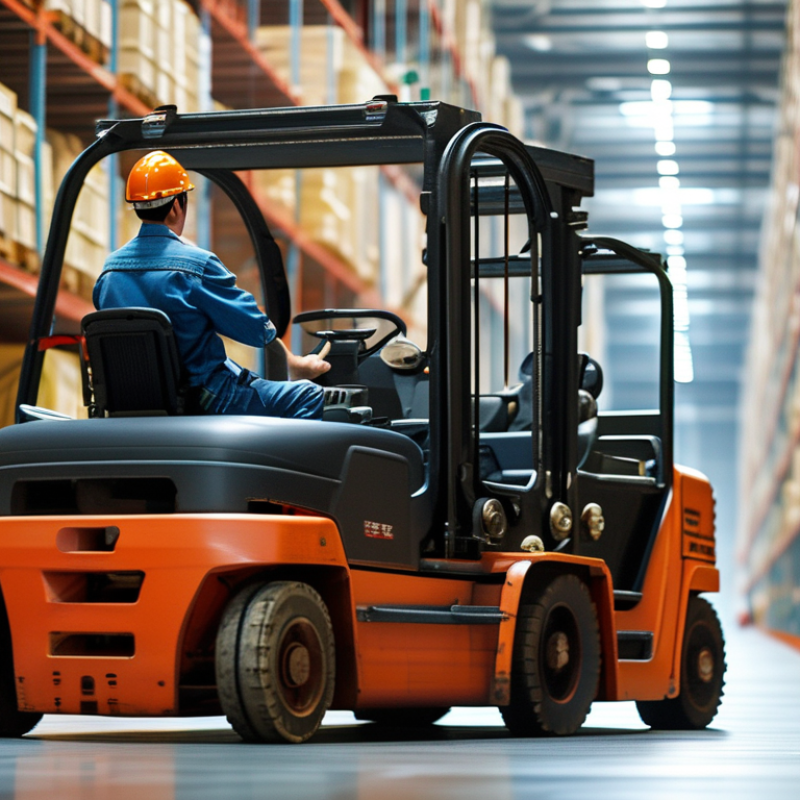
In warehouse environments, identifying common hazards is crucial. Warehouses often face risks from heavy machinery, slips, trips, and falls. Poor lighting can also create dangerous situations. Workers need to be aware of their surroundings. This knowledge helps in preventing accidents.
Tips: Regular safety audits can reveal hidden hazards. Inspect equipment often. Ensure proper maintenance to avoid malfunctions. Provide training sessions to keep employees informed about safety protocols.
Another significant risk is improper lifting techniques. Many injuries occur due to lifting heavy items incorrectly. It’s essential to promote ergonomic practices. Encourage workers to take breaks too. They might overlook fatigue signs, which can lead to errors.
Tips: Use signs to remind workers about safe lifting methods. Demonstrate proper techniques during training. Provide tools like dollies or forklifts to assist with heavy loads.
Comprehensive employee training programs are essential in reducing workplace accidents in warehousing. Training helps employees understand safety protocols. It equips them with the knowledge to handle equipment correctly. This can significantly lower the risks of injuries.
Moreover, training should be hands-on. Realistic scenarios can enhance learning. Employees can engage in safety drills that simulate actual situations. This method builds confidence and prepares them for emergencies. However, constant reassessment of training programs is necessary. What worked last year may not work now. Regular updates keep the content relevant and engaging.
Feedback from employees is vital. They often have insights on potential hazards. Open discussions can lead to improvements in training methods. Just providing information isn't enough. Active participation is key. A well-informed team will feel responsible for their safety and that of their colleagues.
Establishing clear safety protocols and procedures is crucial in reducing workplace accidents in warehousing. According to the Occupational Safety and Health Administration (OSHA), nearly 5,000 workers died on the job in 2021. Of these incidents, many occurred in warehousing and logistics settings. Organizations can reduce these numbers significantly by implementing effective safety strategies.
Training employees on safety protocols ensures they are aware of potential hazards. A study by the National Safety Council revealed that well-trained staff can reduce accidents by 30%. Regular safety drills foster competence. Ensuring employees understand procedures, such as proper lifting techniques or equipment operation, minimizes risks. Visual aids and easy-to-follow checklists can enhance understanding among staff.
Furthermore, continuous assessment of safety protocols is essential. Many organizations fail to update their procedures, leading to complacency. According to a report from the National Institute for Occupational Safety and Health (NIOSH), work environments are changing rapidly. Procedures that were effective a few years ago may need revising. Regularly soliciting feedback from employees can reveal gaps in safety practices and improve compliance. This continuous evolution fosters a culture of safety awareness.
In modern warehousing, leveraging technology is crucial for improving safety. Solutions like automated guided vehicles (AGVs) reduce the risk of human error. AGVs navigate paths, minimizing accidents associated with manual handling. They can also lift heavy loads, ensuring workers do not strain themselves.
Wearable technology is another innovative approach. Smart helmets and vests can monitor vital signs, alerting supervisors if someone is in distress. This proactive measure can prevent serious incidents. The integration of real-time tracking systems offers visibility into warehouse operations. Managers can monitor activities, ensuring compliance with safety protocols.
Nevertheless, embracing technology isn't without challenges. Employees may resist new systems, feeling overwhelmed. Regular training and open communication can ease this transition. Moreover, relying solely on tech may lead to complacency. It's vital to combine technological solutions with a strong safety culture, ensuring every worker understands their role in maintaining a safe workplace.
| Strategy | Description | Technology Used | Effectiveness (%) |
|---|---|---|---|
| Automated Warehousing Systems | Utilizing robotics for pallet handling and picking to reduce human error. | Robotics, AI | 85% |
| Wearable Safety Devices | Tracking employee location and vitals to prevent accidents. | IoT, GPS | 78% |
| Virtual Reality Training | Simulating warehouse scenarios for training employees without risks. | VR Technology | 90% |
| Safety Management Software | Monitoring safety compliance and reporting incidents effectively. | Software Solutions | 82% |
| Predictive Analytics | Analyzing data to foresee potential hazards based on trends. | Data Analytics | 88% |
Conducting regular safety audits and inspections is vital in the warehousing sector. According to the National Safety Council, effective safety audits can reduce workplace accidents by up to 30%. These audits identify hazards before they escalate, creating a proactive safety culture. They help ensure compliance with OSHA regulations, which can significantly lower injury rates.
Regular inspections should encompass all aspects of the working environment. This includes evaluating equipment, checking safety gear, and reviewing emergency procedures. Facilities with consistent inspection practices report fewer incidents. A survey from the International Warehouse Logistics Association revealed that 70% of warehouses lacking regular inspections experience higher injury rates.
However, developing an effective audit process requires commitment. Some companies may see it as just a checkbox activity. This mindset can result in oversight and diminished safety culture. Involving employees in the audit process can create accountability. It fosters an environment where safety is a shared responsibility, not just management's concern. The goal is continuous improvement, which requires reflection and timely adjustments.
: Common hazards include heavy machinery risks, slips, trips, falls, and poor lighting. Awareness is key to accident prevention.
Regular safety audits can reduce accidents by up to 30%. They identify hazards early and foster a proactive safety culture.
Improper lifting can lead to injuries. Promoting ergonomic practices and encouraging breaks is essential for worker safety.
Use signs to remind workers about safe lifting techniques. Demonstrations during training are also effective for retention.
Inspections should evaluate equipment, check safety gear, and review emergency procedures. This can lower incident rates significantly.
Some companies may treat audits as a mere checklist. This could lead to serious oversights and a weak safety culture.
Involving employees in audits creates accountability. It fosters a shared responsibility for safety, improving overall effectiveness.
Providing tools like dollies or forklifts helps employees manage heavy items safely. This reduces strain and potential injuries.
Poor lighting can lead to dangerous situations. Good lighting helps employees navigate safely, reducing accident risks.
The goal is continuous improvement. Regular reflection and timely adjustments enhance overall safety in the workplace.
Reducing workplace accidents in warehousing is a critical concern that can be effectively addressed through several key strategies. First, it's essential to identify common hazards in warehouse environments, such as poorly designed workspaces and unsafe equipment. With this knowledge, organizations can implement comprehensive employee training programs that focus on safety best practices and proper handling techniques.
Establishing clear safety protocols and procedures further enhances the safety culture within the warehouse. Utilizing technological solutions, such as safety sensors and monitoring systems, can also play a vital role in preventing accidents. Finally, conducting regular safety audits and inspections ensures that safety measures are consistently observed, allowing for timely corrections and improvements. By integrating these strategies, companies can significantly decrease the risk of accidents, fostering a safer workplace for all employees.
