Dunton Logistics
In today's fast-paced logistics landscape, optimizing warehouse space is paramount. According to a recent study by the Warehousing Education and Research Council, efficient warehouse space utilization can reduce operational costs by up to 30%. This staggering figure underlines the importance of strategic planning and innovative practices in warehouse management. In 2026, industry experts emphasize the need for effective Warehouse Space Utilization Tips to enhance productivity.
As e-commerce continues to surge, warehouses face increased pressure to manage inventory effectively. A report from the Logistics Management indicates that over 40% of warehouse space goes underutilized. This inefficiency represents a significant loss in potential revenue. Implementing practical warehouse space utilization tips can lead to improved inventory turnover and enhanced customer satisfaction.
However, achieving efficiency is not without challenges. Many facilities struggle with inadequate layouts or outdated technology. This necessitates a reflective approach to adapt and improve current strategies. By embracing innovative solutions and continuous evaluation, warehouses can maximize their space and meet the demands of the modern economy.
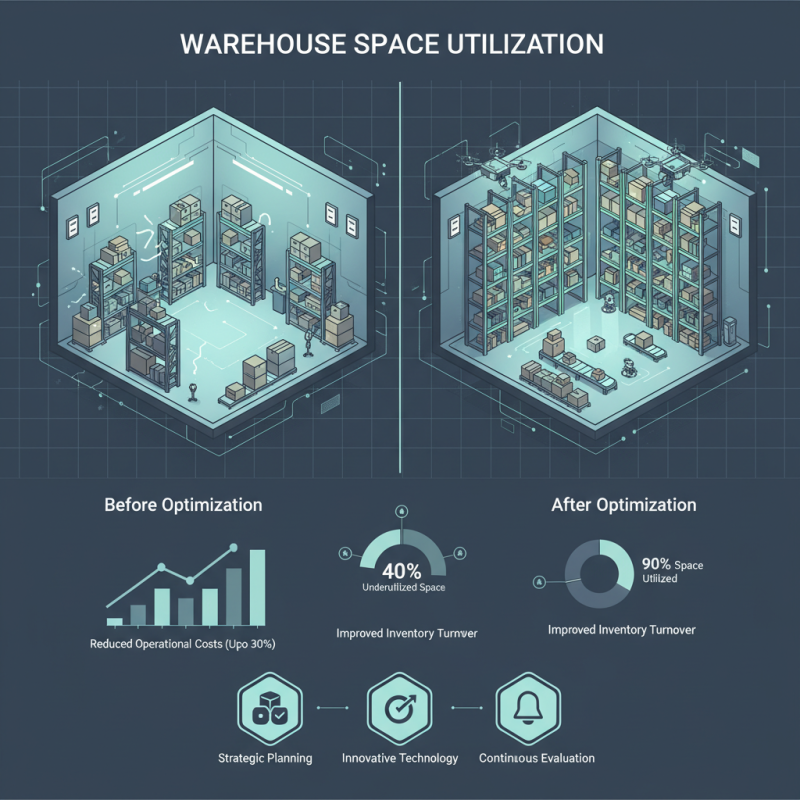
Effective warehouse space utilization is critical for operational efficiency. According to a report from the Warehousing Education and Research Council (WERC), companies waste up to 30% of their warehouse space due to poor layout and organization. It’s essential to understand key concepts that impact space utilization. This includes proper inventory management, layout design, and utilizing vertical space. Each component plays a role in determining how efficiently warehouse space can be used.
One tip for improving space utilization is to adopt a systematic inventory management approach. Utilizing techniques like FIFO (First In, First Out) can enhance organization and reduce clutter. Implementing a robust warehouse management system (WMS) is another effective strategy. According to a study by Interlake Mecalux, companies using WMS saw productivity improvements of up to 25%.
Another crucial aspect is maximizing vertical storage. Many warehouses do not take full advantage of their height. Installing shelving units or utilizing stackable bins can significantly increase capacity without requiring additional floor space. Regularly reassessing the layout to accommodate changing inventory levels is necessary to maintain efficiency. In a dynamic market, flexibility becomes a vital asset for optimal space utilization.
Analyzing the current warehouse layout is essential for improving efficiency and flow. Many facilities struggle with outdated layouts that do not support optimal operations. According to a recent report by MHI, 65% of warehouses plan to change their layout in the coming years to enhance productivity. This is an important step toward maintaining competitive advantages.
Assessing flow can reveal bottlenecks. Workers often face unnecessary delays due to poorly organized pathways. An industry survey found that 80% of warehouses reported issues with retrieving items quickly. Streamlining item locations can reduce these delays. Using a systematic approach can lead to a more effective operation.
Creating designated zones can also improve efficiency. Rearranging inventory based on turnover rates will optimize storage space. Companies that implement these strategies see a 30% increase in fulfillment speed. Yet, many organizations overlook the importance of continual assessments. Regularly reviewing layout decisions ensures that the system adapts to changing demands.
Vertical storage solutions can transform your warehouse efficiency. By utilizing the vertical space in your facility, you can maximize storage capacity while minimizing floor space clutter. Installing high shelving units or pallet racks allows you to stack goods upwards, providing more room for items. This strategy not only enhances organization but also reduces time spent searching for products.
When implementing vertical storage, consider the weight and size of your inventory. Not all items are suited for stacking. Heavy or bulky items may require special handling. Inconsistent stacking practices can lead to safety hazards. Training staff on proper loading techniques is crucial. They must understand how to balance weight and maintain stability.
Incorporating vertical storage can come with challenges. Assessing your current layout is essential. Not every warehouse is designed for vertical expansion. You may need to invest in equipment for safe retrieval. Regular evaluations will help you identify issues and improve your setup. Ultimately, the goal is to create an efficient, safe environment for your workforce.
Efficient inventory management is crucial in any warehouse. Reducing clutter not only enhances workflow but also minimizes errors. Start by categorizing items logically. Keep fast-moving products easily accessible. This simple adjustment can save valuable time during busy hours.
Implementing regular audits ensures that inventory counts are accurate. Anomalies can lead to confusion and delays. Schedule monthly checks to track stock levels. This practice can reveal outdated or redundant items. Consider using inventory management software. It can streamline processes and provide real-time data. However, not all systems fit every warehouse.
Be mindful of excessive stocking. Holding onto excess inventory can consume space. Analyze trends to make informed decisions. Evaluate if certain items can be eliminated or reduced. Balance is essential for optimal space utilization. Continuous reflection on current practices is necessary for improvement. Regular meetings with staff can also identify issues that need addressing.
In today’s fast-paced logistics environment, leveraging technology for warehouse efficiency is essential. Implementing advanced software can significantly improve space tracking. These tools provide real-time data on inventory levels and storage locations. Thus, they allow managers to quickly adapt to changing demands. With accurate tracking, operators can maximize the use of vertical space and streamline workflows.
However, technology alone is not enough. Warehouse layouts often need reevaluation. High-tech solutions can pinpoint inefficiencies, but human oversight is crucial. Employees must understand the system and provide feedback on its usability. Regular training sessions can help ease the transition to new tools. Identifying and addressing user challenges will lead to smoother operations. It's a balancing act between high-tech and human input.
The importance of data integrity cannot be overstated. Inaccurate information can lead to chaos in inventory management. Regular audits of the data should be part of the process. Warehouse managers need to stay vigilant. They must ensure that the software reflects the actual conditions on the floor. This attention to detail fosters a culture of accountability and efficiency in the workspace.
| Tip | Description | Technology Used | Expected Efficiency Gain |
|---|---|---|---|
| Implement Vertical Storage | Maximize the use of vertical space by installing tall shelves. | Warehouse Management Systems (WMS) | 15% Space Utilization Improvement |
| Use Mobile Scanning | Employ mobile devices for real-time inventory tracking. | RFID and Barcode Scanners | 10% Time Savings |
| Optimize Picking Routes | Design efficient paths for pickers to minimize travel time. | Route Optimization Software | 20% Reduced Picking Time |
| Automated Storage Systems | Use automated systems to store and retrieve items. | Automated Guided Vehicles (AGVs) | 30% Increased Throughput |
| Conduct Regular Audits | Regularly assess space usage to identify and eliminate waste. | Inventory Management Software | 8% Efficiency Improvement |
: Efficient space utilization increases operational effectiveness and can reduce wasted space by up to 30%.
Techniques like FIFO enhance organization and reduce clutter, enabling smoother operations.
Many warehouses neglect their height, missing opportunities for increased storage capacity with shelves and stackable bins.
It helps identify bottlenecks and optimize inventory organization, reducing delays in item retrieval.
Rearranging inventory by turnover rates can lead to a 30% increase in fulfillment speed and better space usage.
It can streamline processes and offer real-time data but may not suit every warehouse’s needs.
Monthly checks help maintain accuracy and reveal outdated items, minimizing confusion.
Excessive stocking consumes valuable space and may lead to inefficiencies.
Regular meetings with staff can uncover issues and promote a culture of continuous improvement.
Adapting layout and processes to changing demands is crucial for maintaining efficiency and competitiveness.
Efficient warehouse space utilization is crucial for optimizing operational workflows and minimizing costs. To improve space utilization, begin by understanding key concepts related to warehouse layout and its importance in facilitating smooth inventory movement. Assessing the current layout is essential for identifying bottlenecks and enhancing flow. Implementing vertical storage solutions can significantly maximize available space, while optimizing inventory management practices helps reduce clutter and improve accessibility.
Additionally, leveraging technology and software can provide better tracking of space usage, supporting informed decision-making. By following these Warehouse Space Utilization Tips, businesses can enhance productivity, streamline operations, and ultimately create a more organized and efficient warehouse environment.
